There’s something refreshing about coming home after a busy day and pouring yourself a cold glass of water. But when your tap water has an unpleasant aftertaste, that simple pleasure loses some of its appeal. Buying bottled water might seem like an easy workaround, although the expense and inconvenience can become frustrating over time.
Fortunately, modern filtered drinking water solutions offer homeowners several practical ways to address unwanted tastes and specific contaminants without relying entirely on packaged water.
Reverse osmosis is one approach worth exploring, particularly for households concerned about dissolved substances that conventional filters may not effectively reduce. Understanding the technology, installation requirements, and ongoing maintenance can help you decide whether it’s a worthwhile addition to your kitchen.
Why Your Drinking Water Might Need Additional Treatment
Water collects various substances as it moves through natural environments and distribution networks. Dissolved minerals, treatment chemicals, and household plumbing can all influence its characteristics.
Perhaps you’ve noticed a slightly metallic flavor or an unfamiliar smell when filling your glass. These experiences don’t necessarily indicate a serious health concern, but they’re certainly worth investigating.
Some substances affect taste and appearance, while others remain undetectable without appropriate testing.
Before purchasing filtration equipment, consider reviewing your municipal water quality report or arranging suitable laboratory analysis.
Private well owners should pay particular attention to testing because groundwater conditions can change over time.
Understanding what’s actually present in your water makes choosing the right treatment considerably easier.
Planning Your Reverse Osmosis Installation
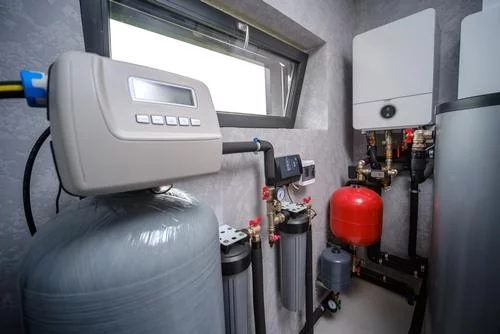
One appealing feature of residential reverse osmosis equipment is that it can often fit neatly beneath the kitchen sink. You don’t need to sacrifice much countertop space or rearrange your entire kitchen.
Proper reverse osmosis system installation involves evaluating incoming water pressure, available cabinet space, drainage arrangements, and the plumbing connections required for dependable operation.
Traditional models generally include a storage tank that holds treated water until it’s needed. Tankless designs produce water on demand and may provide additional space-saving advantages.
Before installation, think about how easily you’ll be able to access replacement filters. Nobody wants to empty an entire kitchen cabinet whenever routine maintenance becomes necessary.
Professional installation can also help ensure appropriate connections and correct system configuration.
What Makes Reverse Osmosis Different From Ordinary Filtration?
A basic carbon filter may work well when your main concern is an unpleasant chlorine taste. However, dissolved substances often require a different treatment approach.
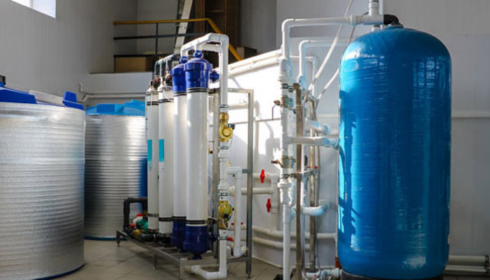
With RO drinking water treatment, water pressure moves water through a semipermeable membrane that rejects many dissolved substances, directing them into a separate discharge stream.
Depending on the equipment’s verified capabilities, this process can reduce certain metals, nitrates, dissolved salts, and other targeted contaminants.
Most residential systems also incorporate preliminary sediment and carbon filters to support membrane performance.
Some designs include additional polishing or remineralization stages that influence the finished water’s taste.
The important thing to remember is that no filtration system should automatically be expected to address every possible contaminant. Choose equipment according to reliable testing and demonstrated treatment performance.
Bringing Better Water Into Your Kitchen Routine
It’s interesting how often water appears in everyday recipes without receiving much attention.
Think about the soup simmering on your stove, your favorite pasta dish, or the coffee you prepare before everyone else wakes up.
Water with an objectionable flavor can sometimes influence the finished result. Appropriate filtration may provide a more neutral-tasting starting point for cooking and beverage preparation.
Of course, personal preferences differ. Coffee enthusiasts, for example, may appreciate water containing a suitable balance of minerals rather than extremely low mineral content.
Having convenient access to treated water also makes filling reusable bottles before work, school, or weekend outings considerably easier.
Could Home Filtration Help You Spend Less?
Buying bottled water might not seem particularly expensive when you’re picking up a few bottles occasionally. However, those purchases can add up when an entire household depends on packaged water every day.
Installing suitable filtration equipment may help reduce that recurring expense while decreasing the amount of disposable packaging you bring home.
Reverse osmosis does have its own operating costs, though. Replacement filters, membrane servicing, water consumption, and electricity requirements for certain models deserve consideration.
Compare these expenses with your current bottled water spending.
It’s also worth examining water efficiency, since membrane filtration produces reject water during treatment.
A balanced decision considers convenience, environmental impact, and long-term affordability rather than focusing exclusively on the initial equipment price.
A Little Maintenance Goes a Long Way
Filtration equipment is easy to forget about once it’s tucked away beneath the kitchen sink. Nevertheless, regular care is essential for dependable treatment performance.
Preliminary filters gradually accumulate debris or lose effectiveness, while membranes eventually require replacement.
Follow manufacturer maintenance recommendations and keep track of servicing dates.
If your drinking water develops an unexpected taste or the flow rate becomes noticeably slower, arrange an inspection.
Periodic testing is particularly important when equipment is intended to reduce potentially harmful contaminants.
Remember that pleasant-tasting water alone doesn’t establish drinking water safety.
Making Better Drinking Water a Lasting Household Comfort
Improving your drinking water doesn’t need to become an expensive or unnecessarily complicated project. Begin with reliable testing, understand your household’s requirements, and select equipment that fits comfortably into your kitchen and budget.
A properly installed reverse osmosis system can offer practical benefits when its capabilities match your water quality concerns.
Ultimately, the real value lies in ordinary moments. Preparing breakfast, filling a bottle before leaving home, or enjoying a refreshing drink after dinner.
Better water might not be the most noticeable home improvement you’ll ever make, but it’s certainly one you can appreciate every day.