Water leaks have a way of creating trouble when nobody is paying attention. A small damp patch near the wall, a slightly higher water bill, or a strange sound coming from the plumbing might not seem like much at first. Most homeowners carry on with their daily routines, assuming it’s nothing serious. But hidden water leaks can slowly damage flooring, walls, insulation, and even parts of a building’s structure. Finding the source early can save money, prevent unnecessary repairs, and spare homeowners a lot of frustration.
Why Water Leaks Often Go Unnoticed
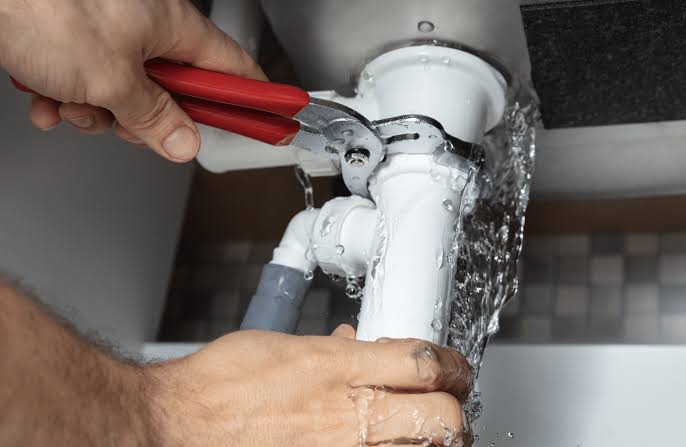
Not every plumbing leak is easy to spot. While a dripping faucet or leaking pipe beneath a sink is usually visible, water escaping behind walls, under concrete floors, or around underground pipes can remain hidden for weeks. Sometimes the water travels along a surface before showing up in an entirely different location.
Older plumbing systems are particularly vulnerable to corrosion, worn joints, loose connections, and pressure-related damage. Changes in water pressure, shifting soil, aging pipe materials, and poor installation can also contribute to unexpected leaks.
The tricky part is that a leak doesn’t always create an obvious puddle. It might leave behind a musty smell, cause paint to bubble, or make a section of flooring feel unusually soft. Paying attention to these subtle changes can make a real difference.
Common Warning Signs Around Your Property
Homeowners don’t need to be plumbing experts to recognize that something may be wrong. A few everyday observations can provide useful clues.
An unexplained increase in the water bill is one of the first signs worth investigating. If household water usage hasn’t changed but monthly costs keep rising, water may be escaping somewhere in the system. Damp walls, peeling paint, discoloration, mold growth, and warped flooring are other possible indicators.
You may also hear water running when every tap is turned off. In some cases, the sound is faint and only noticeable late at night when the house is quiet. These warning signs shouldn’t be ignored, especially when they appear together.
How Professional Water Leak Location Services Help
Finding a leak by guesswork can become expensive quickly. Opening walls or removing flooring without knowing where the problem is may create additional damage while still failing to locate the actual source.
Professional water leak location services use specialized equipment to narrow down the suspected area. Depending on the plumbing system and type of leak, technicians may use acoustic listening devices, thermal imaging cameras, moisture meters, pressure testing, or other diagnostic methods.
These tools help identify potential problem areas without immediately resorting to major demolition. Although every leak is different, a careful inspection can give property owners a clearer understanding of what’s happening beneath the surface and where repairs may be required.
What Happens During a Plumbing Leak Investigation
A proper plumbing leak investigation usually begins with a discussion about the symptoms. The technician may ask when the problem started, whether water pressure has changed, if the bill has increased, or whether any plumbing work was recently completed.
Next, the plumbing system may be inspected, tested, and evaluated using suitable equipment. The process could involve checking visible connections, monitoring pressure, examining moisture patterns, or listening for escaping water inside pipes.
The objective isn’t simply to find wetness. It’s to identify the source of the problem as accurately as possible. For example, moisture near a bathroom wall might originate from a shower connection, a supply pipe, drainage plumbing, or water entering from another area. A proper diagnosis helps avoid repairing the wrong section.
Why Hidden Leaks Can Damage More Than Plumbing
Water that remains trapped behind walls or beneath floors can gradually affect building materials. Wooden structures may swell or weaken, paint and plaster can deteriorate, and flooring adhesives may lose their strength. Persistent moisture can also encourage mold growth, which may affect indoor air quality.
Leaks beneath concrete slabs are particularly concerning because they can be difficult to access. Depending on their location and severity, slab leaks may contribute to damaged flooring, moisture around foundations, or other structural concerns.
This is why early inspection matters. A small plumbing issue is generally easier to manage before water has had time to spread through surrounding materials.
Leak Detection for Homes of Every Age
Whether a property is newly built or several decades old, plumbing problems can happen unexpectedly. Newer homes may experience installation-related issues, while older buildings often have pipes that have experienced years of wear and mineral exposure.
Reliable leak detection for homes involves understanding the property’s plumbing layout, construction, water supply system, and the signs of moisture damage. A technician should take the time to investigate rather than rely on assumptions based on where the water appears.
Homeowners can also take simple preventive steps. Check visible pipes occasionally, keep an eye on water bills, inspect areas beneath sinks, and pay attention to unusual smells or sounds. These habits don’t take much effort, yet they can help identify problems sooner.
Choosing the Right Professional for the Job
When arranging a leak inspection, look for someone with experience diagnosing hidden plumbing problems and using appropriate detection equipment. Ask how the inspection will be performed, whether unnecessary damage can be avoided, and what information you’ll receive before repairs begin.
Clear explanations and honest recommendations matter just as much as technical ability. A trustworthy professional should explain the findings, discuss possible repair approaches, and help you understand the next steps without making the situation unnecessarily complicated.
Protecting Your Home Starts with Paying Attention
A water leak may begin as a small problem, but leaving it unresolved can affect much more than your plumbing. Floors, walls, furniture, and everyday living spaces can all be exposed to moisture damage.
Responding to early warning signs, arranging a proper inspection, and addressing the source of the leak can help protect your property over time. Sometimes a little attention today is all it takes to avoid a much bigger headache tomorrow.