Water is one of those everyday essentials that rarely gets much attention until something changes. Maybe your morning coffee tastes slightly different, the shower leaves white marks on the glass, or the water bill suddenly seems higher than usual. These things can be easy to dismiss, but they may be useful reminders to take a closer look at your home’s water system.
The challenge is knowing what deserves attention and what doesn’t. Not every stain signals a serious problem, and not every filtration product will solve the issue you’re experiencing. A little investigation, combined with suitable technology and regular maintenance, can help you make sensible decisions without turning water treatment into an expensive guessing game.
Start With a Clear Picture of Your Water
Water quality can vary depending on the source, local geology, plumbing materials, and the condition of existing treatment equipment. Municipal supplies are generally treated before distribution, but the mineral content and taste can differ between locations. Private wells have additional considerations because groundwater conditions can change over time.
Some household clues are fairly familiar. White deposits around faucets may indicate hard water, while reddish stains can sometimes be associated with iron. Sediment may appear as visible particles, and certain compounds can affect taste or odor. Still, these observations don’t tell the whole story. Water that looks clear isn’t necessarily free from every contaminant.
This is where water testing & lab analysis becomes valuable. The right test depends on the water source and the concern being investigated. A basic hardness test can help identify mineral-related issues, but it won’t establish whether water is free from bacteria, lead, nitrates, or other health-related contaminants. Those concerns may require specialised testing through a certified laboratory.
When reviewing results, ask what was measured, how the findings compare with relevant standards, and whether follow-up action is recommended. If you use a private well, follow local guidance on testing frequency and consider additional testing after flooding, repairs, or noticeable changes in water quality.
Why a Single Filter Doesn’t Solve Every Problem
Once you understand the water conditions, choosing equipment becomes much easier. Different treatment technologies have different jobs, and their performance depends on the specific product and the substances it is designed to reduce.
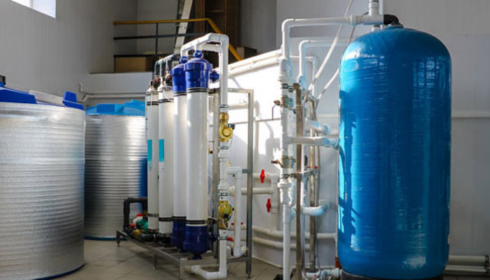
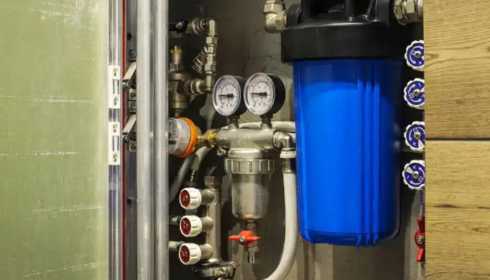
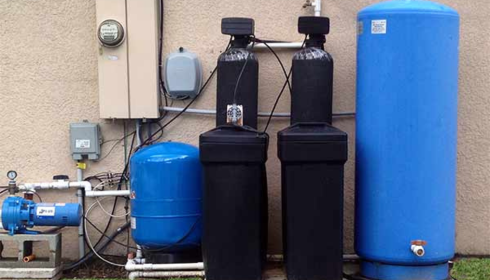
Sediment filters capture particles such as sand or rust. Activated carbon can reduce certain tastes, odors, and selected compounds. Water softeners address hardness minerals, while reverse osmosis systems can reduce many dissolved substances when properly selected and maintained. Disinfection equipment serves another purpose, particularly when microbiological concerns have been identified.
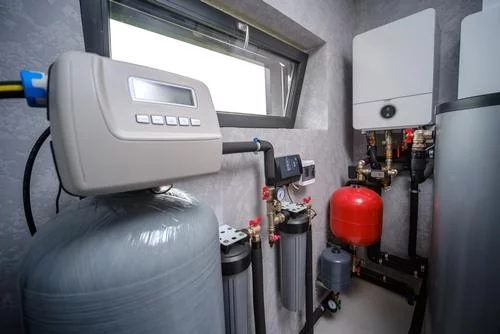
For homeowners comparing filters & whole-home filtration systems, the first question should be whether the treatment needs to cover the entire property or only a particular tap. A point-of-entry system treats incoming water before it travels through the house. This can be useful when the concern affects several fixtures or appliances. A smaller point-of-use filter may be sufficient when the primary goal is improving drinking water at the kitchen sink.
System size matters, too. A filter that performs well for a small household may struggle when several showers, washing machines, and faucets are operating simultaneously. Ask about flow rate, pressure loss, replacement schedules, and installation requirements before choosing equipment.
It’s also worth checking independent certification and performance documentation. A product with multiple filtration stages isn’t automatically better than a simpler option. What matters is whether it addresses the identified concern and can maintain the required performance under normal use.
Making Water Management More Convenient With Smart Technology
Home technology has come a long way from programmable thermostats and basic security alarms. Connected devices can now help homeowners monitor several aspects of daily utility use, including water consumption. For busy households, that information can make an otherwise invisible system easier to understand.
Smart water monitoring equipment may track usage patterns, identify unusual flow, or send alerts when activity appears inconsistent with normal household habits. Depending on the device, some systems can also support automatic shutoff when a potential leak is detected. These features may be useful when a home is empty during the day or when a leak could cause damage before anyone notices.
Solutions such as DROP Smart Home water management reflect the growing interest in connected ways to monitor and manage residential water. Before choosing a smart system, check its actual capabilities, compatibility with the existing plumbing, installation requirements, and alert options. Monitoring, leak detection, and automatic shutoff are different functions, and not every product includes all of them.
Smart technology also has limitations. An alert may indicate unusual water use without identifying its cause, and a monitoring device cannot determine every aspect of water quality. If you suspect contamination or a plumbing fault, appropriate testing or professional inspection may still be necessary.
Think of connected monitoring as another source of useful information, rather than a replacement for regular maintenance. It works best when homeowners understand the alerts and have a clear plan for responding to them.
Keep Maintenance on the Calendar
Even a well-designed treatment system needs attention after installation. Filters have limited service lives, reverse osmosis membranes require replacement, and softeners need routine checks. If maintenance is ignored, performance can decline, sometimes without any obvious warning.
Keep a simple record of installation dates, filter changes, service visits, and water-test results. Follow the manufacturer’s instructions and use compatible replacement components. If water pressure changes, an unusual taste returns, or scale begins building up again, investigate rather than assuming the equipment has failed completely.
It also helps to understand which tasks you can safely handle yourself. Replacing an accessible cartridge may be straightforward, while plumbing modifications, electrical connections, and specialised disinfection equipment may require professional service. Knowing the difference can prevent unnecessary risks.
For households using private wells, maintenance extends beyond the treatment unit. Inspect the wellhead, protect the surrounding area from potential contamination, and arrange testing according to local recommendations. Water conditions can change, so an old test report shouldn’t be treated as a permanent guarantee.
Choose Equipment That Fits Real Life
Water treatment should make everyday life easier, not introduce another complicated project. Before investing in equipment, consider your household’s actual needs, the available installation space, the amount of water used each day, and the cost of ongoing maintenance.
A simple filter may be enough for a particular taste concern. A softener may help with persistent scale, while a more specialised system may be needed when testing identifies a specific contaminant. Some homes benefit from combining technologies, but adding equipment without a clear reason can increase costs without delivering meaningful improvements.
Ask providers to explain what a recommended system can accomplish, what it cannot do, and how its performance will be verified. Compare the full cost of ownership rather than focusing only on the purchase price. A sensible decision is one you can maintain comfortably over time.
Better Water Begins With Better Information
Water quality doesn’t have to remain a mystery. Start with the source, investigate recurring concerns, and use appropriate testing to guide your choices. Consider monitoring technology where it offers practical value, and select filtration based on documented performance rather than broad promises.
Most importantly, remember that no single product is right for every home. The best approach is the one that addresses your specific water conditions, fits your household’s routine, and remains manageable after installation. With reliable information and consistent care, you can make more confident decisions about one of the most important resources in your home.