Running a hotel, restaurant, or hospitality business means paying attention to hundreds of little details. Guests notice the comfortable beds, the cleanliness of the bathrooms, the taste of their morning coffee, and whether the shower works as expected. Behind the scenes, though, there’s another factor quietly influencing all these experiences: water.
From kitchens and laundry rooms to guest bathrooms and swimming pools, water is essential to daily operations. When its quality or supply becomes unreliable, even a well-managed property can run into trouble. Equipment may develop scale, cleaning can become less effective, and maintenance costs can creep up without anyone noticing at first.
That’s why water management deserves more attention than it often receives. With the right equipment, regular maintenance, and a practical understanding of local water conditions, hospitality businesses can protect their facilities while creating a more comfortable stay for guests.
Water Quality Is Part of the Guest Experience
Think about the last time you stayed in a hotel and the shower pressure was poor, the water smelled unusual, or the tea tasted a little off. Even if everything else was fine, those small details may have affected your impression of the place.
Water plays a surprisingly visible role in hospitality. Guests use it for drinking, bathing, brushing their teeth, and washing their hands. Restaurants rely on it for food preparation, beverages, dishwashing, and sanitation. Housekeeping teams need dependable water for laundry and cleaning.
A consistent guest experience depends partly on getting these everyday essentials right. Water that tastes unpleasant can affect the perception of beverages, while hard water may leave spots on glassware and stubborn deposits on bathroom fixtures. These issues aren’t necessarily health hazards, but they can influence how clean and well-maintained a property feels.
Of course, appearance and taste alone cannot establish whether water is safe. Hospitality operators should follow applicable drinking-water requirements and investigate changes in quality rather than relying on guesswork. A reliable supply, appropriate treatment, and routine checks help ensure that guests receive the standard of service they expect.
The Hidden Cost of Poor Water Management
Water-related problems rarely arrive with a convenient warning. More often, they develop gradually. Mineral deposits accumulate inside pipes, heating elements become less efficient, and appliances begin requiring more frequent repairs.
Hard water is a common concern in many regions. It contains elevated levels of calcium and magnesium, which can form scale when water is heated. In a hotel with dozens or hundreds of rooms, that buildup can affect boilers, water heaters, dishwashers, and other equipment used throughout the day.
The financial impact goes beyond replacement parts. Maintenance teams lose time dealing with recurring issues, rooms may need to be taken out of service, and cleaning staff might spend longer removing mineral stains. Energy consumption can also increase when scale interferes with heat transfer in certain equipment.
This is where operational efficiency becomes more than a management buzzword. Reliable water treatment can help equipment operate as intended, reduce avoidable maintenance, and make everyday processes easier to manage. The exact savings depend on the property’s water conditions, equipment, and treatment approach, so businesses should assess results rather than assume every system will deliver the same benefits.
Choosing Water Treatment for a Commercial Property
A small café and a large resort don’t have identical water needs. A café may focus on drinking water, coffee machines, and dishwashing, while a hotel might need to manage water across guest rooms, kitchens, laundry facilities, boilers, and recreational areas.
The first step is understanding the water itself. Testing can identify hardness, pH, dissolved solids, and selected contaminants, depending on the laboratory panel. Results help property managers determine whether they need filtration, softening, disinfection, or another treatment method.
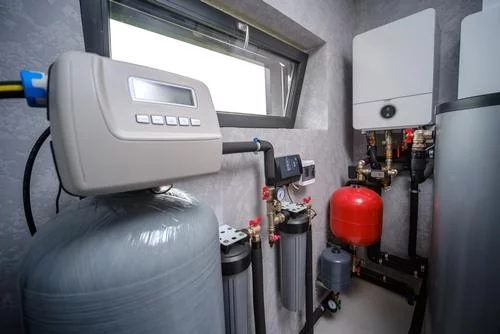
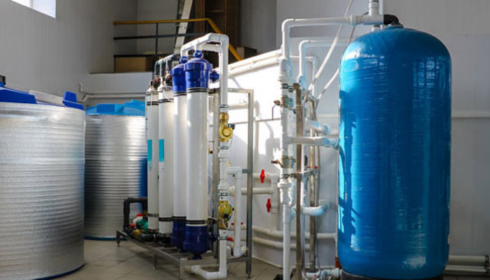
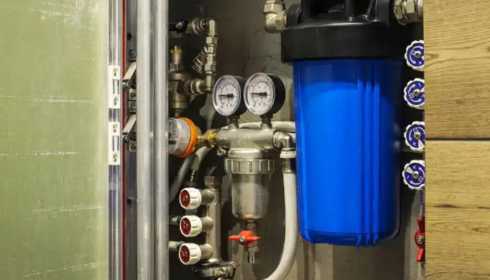
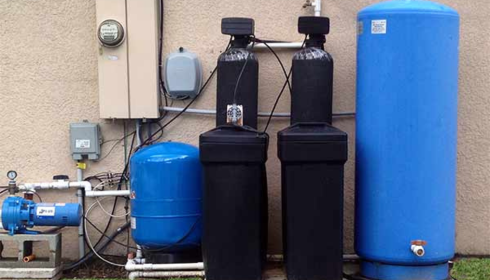
Sediment filters can remove suspended particles, while activated carbon may improve taste and odour and reduce certain chemicals. Water softeners address hardness minerals, helping limit scale buildup. Reverse osmosis can reduce many dissolved substances in applications where that level of treatment is appropriate.
These technologies serve different purposes, and they shouldn’t be treated as interchangeable. A softener, for instance, isn’t a substitute for disinfection, and a drinking-water filter may not be suitable for treating the entire property’s supply.
Commercial operators should also consider peak demand. A system that works well during quiet periods may struggle when every guest seems to take a shower at once. Capacity, flow rate, water pressure, maintenance access, and the availability of replacement parts all matter when selecting equipment.
Where Professional Support Makes a Difference
Water systems in commercial buildings can be complicated, especially when multiple types of equipment operate together. Choosing a treatment unit is only part of the job; installation, monitoring, and ongoing service are just as important.
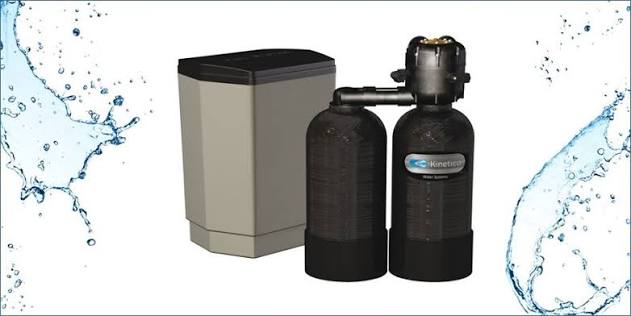
For businesses exploring commercial water treatment options, kinetico pro may be a useful starting point for researching solutions and professional support associated with the Kinetico brand. As with any supplier, hospitality managers should confirm which services and products are available in their area and whether they suit the property’s specific requirements.
It’s worth asking potential providers some practical questions. What water problems does the proposed system address? Is its performance independently certified for the intended application? How often will components need replacing, and what will routine servicing cost? Can the supplier support the property’s busiest operating periods?
A good provider should be able to explain the reasoning behind a recommendation without burying the customer in technical language. They should also be clear about what the system cannot do. No treatment method solves every water-quality issue, and responsible advice begins with understanding the source water and the property’s needs.
Sustainability and Responsible Water Use
Water treatment decisions also connect with a property’s environmental goals. Hotels and resorts use substantial amounts of water for laundry, cleaning, kitchens, landscaping, and guest facilities. Reducing unnecessary consumption can help control costs while easing pressure on local resources.
Simple improvements often make a useful starting point. Fix leaking taps promptly, install suitable water-efficient fixtures, and review laundry practices to avoid unnecessary wash cycles. Monitoring consumption can reveal unusual patterns that might otherwise go unnoticed.
Treatment equipment should be evaluated for water and energy use as well. Some reverse osmosis systems discharge a portion of incoming water during filtration, while other technologies have different operating requirements. Comparing system efficiency alongside treatment performance helps businesses make more balanced decisions.
Water reuse may also be appropriate for certain non-drinking applications, provided the system is properly designed and complies with local regulations. Such projects require careful planning, but they can form part of a wider sustainability strategy.
Maintenance Should Never Be an Afterthought
Even well-chosen equipment needs regular attention. Filters require replacement, softeners may need replenishment and servicing, and treatment systems should be checked according to manufacturer recommendations.
Hospitality businesses benefit from a clear maintenance schedule that identifies responsibilities, inspection dates, and any required water testing. Keeping records makes it easier to spot recurring issues and demonstrate that the property is following its procedures.
Staff training matters, too. Employees should know how to report unusual smells, changes in appearance, leaks, or sudden drops in water pressure. When a potential safety concern arises, managers should follow the appropriate public-health guidance and contact qualified professionals rather than trying an improvised fix.
A proactive approach is usually less disruptive than waiting for a system to fail during a busy weekend.
A Small Detail With a Lasting Impact
Water may not be the first thing hospitality managers think about when improving a property, but its influence reaches nearly every department. It affects comfort, cleanliness, equipment performance, and the smooth running of daily operations.
The best approach starts with evidence: understand the water source, test when appropriate, and select treatment based on actual needs. From there, consistent maintenance and responsible water use help protect both the guest experience and the business itself.
Guests may never notice a well-maintained water system working quietly in the background. That’s rather the point. When everything functions as it should, staff can focus on service, equipment lasts longer, and the small details that make a stay enjoyable are less likely to become problems.