Water quality is one of those things people rarely think about until something starts going wrong. Perhaps the shower leaves your skin feeling dry, white marks keep appearing around the kitchen faucet, or your drinking water has an unusual taste. Sometimes the signs are less obvious, but they can still affect daily comfort and the long-term performance of household appliances.
The good news is that water treatment doesn’t have to be complicated. With the right equipment and a clear understanding of your home’s water conditions, it’s possible to address many common problems without spending money on features you don’t need. The important part is knowing what each system is designed to do and choosing a solution that fits your household.
Start With the Water You Actually Have
Before comparing equipment, take a closer look at your water supply. Municipal water and private well water can have very different characteristics, and even homes in the same neighborhood may experience different issues because of their plumbing or local supply conditions.
Hard water, for example, contains elevated levels of calcium and magnesium. These minerals can leave deposits on fixtures, reduce soap lather, and contribute to scale buildup inside water heaters and other appliances. Iron may cause reddish stains in sinks and laundry, while certain dissolved substances can affect the taste and smell of drinking water.
Testing is the sensible first step. A basic water test can help identify hardness, pH, iron, and other relevant characteristics. Depending on the water source and suspected concerns, additional laboratory testing may be appropriate, particularly for private wells.
It’s tempting to buy a system because a neighbor recommends it or an online review sounds convincing. But water treatment isn’t one-size-fits-all. A product that works beautifully in one home may do very little for another.
Understanding High-Performance Water Softeners
For households dealing with hard water, a properly selected softener can make an immediate difference in everyday routines. Soap tends to work more effectively, mineral spotting may decrease, and appliances that use water can experience less scale accumulation.
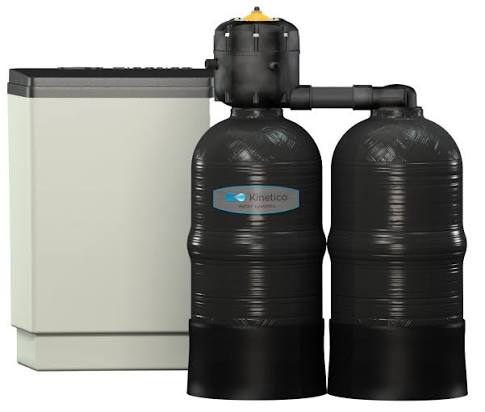
The Kinetico S250-XP is one model homeowners may encounter when researching water-softening options. When evaluating equipment in this category, look beyond the product name and consider how the system operates, the household’s water demand, and the level of hardness that needs to be treated. Confirm the model’s current specifications and availability with an authorized supplier before making a decision.
A useful question to ask is whether the system can handle your family’s busiest periods. A home with two people using water at different times may have very different needs from a household of six where showers, laundry, and dishwashing often overlap.
Efficiency matters, too. Ask about water and salt consumption, regeneration requirements, installation costs, and routine maintenance. A system with a lower purchase price isn’t always the least expensive option over several years.
It’s also worth remembering that a conventional water softener does not remove every possible contaminant. Its main purpose is to reduce hardness minerals, usually through ion exchange. If your water has an unrelated issue, another treatment stage may be necessary.
Matching Capacity to Household Demand
A treatment system should fit the home rather than force the household to work around it. Capacity, flow rate, and the amount of water used each day all influence performance.
The Kinetico S650-XP may also appear during research into residential water treatment equipment. Before selecting this or any comparable model, ask the supplier to explain its intended applications, rated capacity, operating requirements, and suitability for your tested water conditions. These details matter more than assuming that a particular model is automatically the best choice for every property.
Think about daily life, not just average water use. Does someone shower early in the morning while another person starts the washing machine? Do you regularly have guests staying over? Is the property used year-round, or does demand change dramatically with the seasons?
These practical details help determine whether a system can deliver consistent performance when it is needed most. A qualified installer should also check the available plumbing space, drain access, water pressure, and any electrical requirements before recommending a final configuration.
If a supplier cannot clearly explain why a particular system suits your household, it’s reasonable to seek another opinion. Good advice should make the decision easier, not leave you with more unanswered questions.
When Filtration Is the Better Answer
Not every water problem calls for a softener. Filtration systems are designed to address particular substances, and the right type depends on what testing reveals.
Activated carbon filters, for instance, can improve taste and reduce chlorine-related odors in suitable applications. Sediment filters capture particles such as sand, rust, and suspended debris. Reverse osmosis systems can reduce a range of dissolved substances, depending on the membrane and system configuration, making them a common option for point-of-use drinking water treatment.
Some homes need more than one stage of treatment. A property with sediment, hardness, and an unpleasant drinking-water taste might benefit from a combination of equipment, provided each stage addresses an identified issue. Installing extra filters without a clear reason can increase costs and maintenance while providing little additional benefit.
The Hellenbrand Pro-Mate 7.0 is another name homeowners may encounter while comparing water treatment equipment. If you’re considering this model, ask a knowledgeable dealer for its current product documentation, intended function, performance specifications, and maintenance requirements. Confirm that the system addresses your actual water-quality concerns rather than relying on the model name alone.
The same principle applies to any treatment product: verify its capabilities against your water test results. If your concern involves a potentially harmful contaminant, choose equipment certified for that specific reduction claim where an applicable certification is available. Taste and appearance alone cannot establish that water is safe to drink.
Don’t Overlook Installation and Maintenance
Even a well-designed system can disappoint if it is installed incorrectly or neglected over time. Plumbing connections need to be secure, settings should match the water conditions, and the equipment must receive the maintenance recommended by its manufacturer.
Ask what regular upkeep involves before buying. Some systems require salt refills, periodic cleaning, filter replacements, or scheduled servicing. Others may need checks of valves, seals, and operating settings. Knowing the routine in advance helps you estimate the real cost of ownership.
Filter replacement deserves particular attention. A cartridge that remains in service too long may lose effectiveness or restrict water flow. On the other hand, replacing components too frequently can waste money. Follow the manufacturer’s schedule and adjust it when water quality or household usage calls for a different interval.
Professional installation can be worthwhile, especially when the system connects to several plumbing lines or requires adjustments to drainage. Keep the installation records, product documentation, and service history somewhere easy to find. These small habits make future troubleshooting much simpler.
Compare the Whole Cost, Not Just the Price Tag
When comparing water treatment systems, consider the initial purchase price alongside installation, consumables, water use, and expected servicing. Ask for a written estimate that separates equipment costs from labor and any additional plumbing work.
Warranty coverage is another important detail. Find out which components are covered, how long the warranty lasts, and whether particular installation or maintenance conditions apply. A reputable supplier should be willing to explain these terms in straightforward language.
It can also help to ask about local service support. If a valve needs attention or a component fails, access to a qualified technician may be more valuable than a small discount at the time of purchase.
Most importantly, avoid paying for a treatment feature simply because it sounds advanced. The best system is the one that solves the problem you have, works reliably under your household’s conditions, and remains manageable over the years.
Make Water Quality a Practical Investment
Better water begins with understanding what’s coming out of your taps. Testing provides a clearer starting point, suitable equipment addresses the specific issue, and regular maintenance helps preserve performance long after installation.
Take time to compare your options, ask detailed questions, and verify product specifications before committing. A dependable water treatment setup doesn’t need to be unnecessarily complicated. When it is selected for the right reasons, it can make daily tasks more comfortable, protect plumbing from certain water-related problems, and provide greater confidence in the water your household uses.
In the end, the smartest choice isn’t necessarily the biggest system or the most expensive model. It’s the one that fits your water quality, your home, and your everyday needs.