Category: Home Services

  • What to Know Before Choosing a Drinking Water Filtration System in Florida

    What to Know Before Choosing a Drinking Water Filtration System in Florida

    The water coming from a kitchen tap often looks harmless. It’s clear, familiar, and usually available whenever we need it. Yet taste, odor, mineral content, and the condition of household plumbing can all influence the quality of that water. For many homeowners, the decision to install a drinking water filter begins with something simple: the water doesn’t taste quite right, or they want greater confidence in what their family is consuming.

    Choosing a system, however, deserves more thought than picking a product with the most impressive label. Different technologies are designed for different purposes. Some improve taste, others reduce dissolved substances, and some are intended to address specific contaminants. Understanding these differences can help homeowners avoid paying for equipment that doesn’t solve their actual problem.

    Why Drinking Water Quality Deserves Attention

    Water quality can change as water travels from its original source to the glass. Public utilities treat water before distribution, but the water may still pick up tastes or odors from disinfectants, storage tanks, or household plumbing. In homes with older pipes, internal plumbing conditions may also affect the water that reaches the tap.

    Private well owners face a different set of considerations. Groundwater may contain naturally occurring minerals, sediment, iron, sulfur compounds, or microorganisms. These concerns vary depending on the local geology, well construction, surrounding land use, and maintenance history.

    Not every unusual taste indicates a serious health issue, but it shouldn’t automatically be dismissed either. Testing is the most useful way to distinguish between a cosmetic concern and a problem that requires more specialized attention.

    Understanding Common Contaminants

    The term common contaminants covers a wide range of substances that may affect water quality. Some occur naturally, while others may enter water through treatment processes, environmental conditions, or plumbing materials.

    Hardness minerals, such as calcium and magnesium, can create scale and affect the taste or feel of water. Iron and manganese may leave stains or produce a metallic flavor. Chlorine and chloramine, used by utilities for disinfection, can sometimes be noticeable in drinking water.

    Sediment is another common issue, particularly in private well systems. Small particles may affect clarity and contribute to wear in faucets or appliances. Depending on the location, homeowners may also be concerned about substances such as nitrates, arsenic, lead, or other chemicals. These cannot be identified reliably by taste or appearance alone.

    The important point is that no single filter removes everything. A system should be selected according to verified water conditions and the contaminants it has been tested to reduce.

    Start With a Water Test

    Before purchasing filtration equipment, homeowners should consider testing the water. A basic screening may examine factors such as pH, hardness, chlorine, iron, and other common indicators. More detailed laboratory testing may be appropriate when there are concerns about bacteria, metals, or specific environmental contaminants.

    Testing is especially important for private well owners. Wells should be checked regularly and after events such as flooding, repairs, or changes in water appearance and odor. A professional can help interpret the results and explain which concerns are treatable through filtration and which may require a different response.

    If a company offers an in-home water test, ask what is being measured and whether the test is performed on-site or by a certified laboratory. A clear explanation of the results is just as valuable as the test itself.

    Why Reverse Osmosis Is Popular for Drinking Water

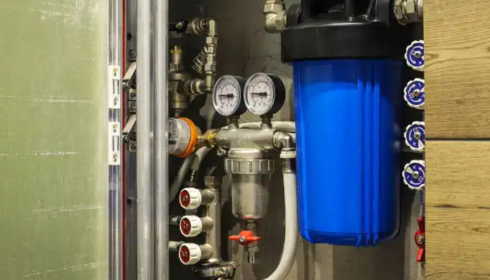
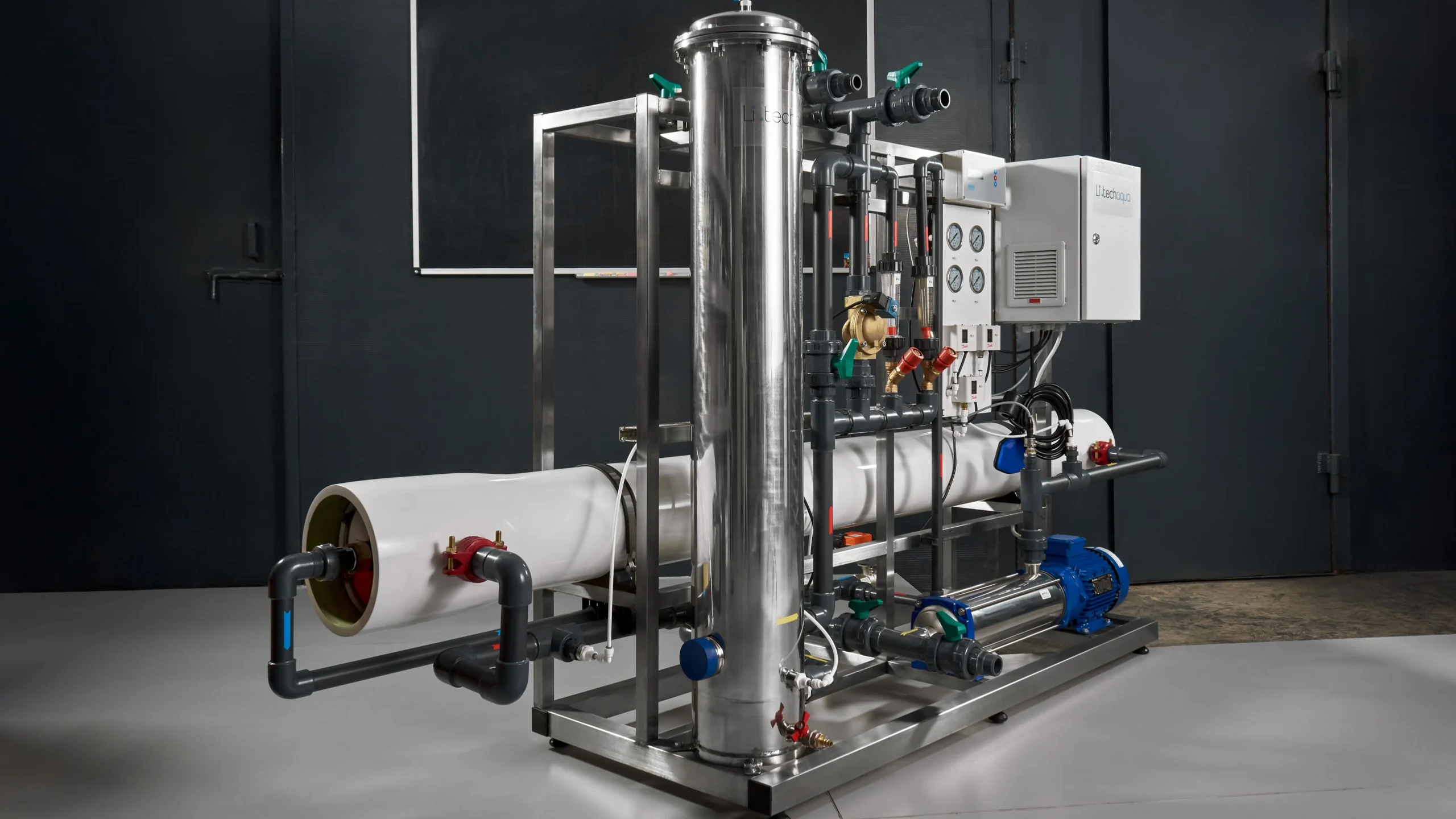
    A reverse osmosis drinking water system is commonly installed beneath a kitchen sink or at another point of use. It uses pressure to move water through a semipermeable membrane, reducing many dissolved substances before the water reaches a dedicated faucet.

    RO systems often include multiple stages. A sediment filter may capture larger particles, while a carbon filter can help protect the membrane and improve taste. The RO membrane handles much of the dissolved-solids reduction, and a final polishing filter may improve the finished water’s flavor.

    This technology can be useful for households that want additional treatment for drinking and cooking water. It may reduce certain dissolved salts, metals, and other substances, depending on the system’s design and certification.

    Still, reverse osmosis is not the right answer for every situation. It typically produces some wastewater, requires filter and membrane replacement, and may need a storage tank to provide water quickly. Homeowners should also check the system’s flow rate and daily production capacity, especially if several people will use it regularly.

    Considering Local Florida Water Conditions

    Water quality concerns can be influenced by geography, water sources, and local infrastructure. local florida water may have characteristics that differ from water in other regions, particularly because many communities rely heavily on groundwater and aquifer systems.

    Hardness is a frequent consideration in many Florida properties. Groundwater can move through limestone and pick up minerals that contribute to scale on fixtures, shower doors, and water heaters. Some areas may also experience concerns related to sulfur odors, iron staining, or changes in taste.

    Coastal conditions, seasonal weather, private wells, and aging plumbing can add further variables. However, homeowners should avoid assuming that every Florida property has the same water problem. A home connected to a municipal system may need a different solution from a rural property using a private well.

    The most useful approach is to test the water at the property and select equipment based on those findings rather than relying solely on regional assumptions.

    Point-of-Use or Whole-Home Filtration?

    A drinking water system generally treats water at one faucet, making it a practical choice for drinking and cooking. This approach can be cost-effective when the main concern is the quality or taste of water consumed directly.

    Whole-home filtration, by contrast, treats water as it enters the property. This may be more suitable when the homeowner wants to address chlorine odor, sediment, or another issue throughout the house, including showers, bathrooms, and laundry areas.

    In some homes, both approaches make sense. A whole-house filter may improve general water quality, while an RO system provides an additional level of treatment at the kitchen sink. The combination should be based on actual needs, available space, water pressure, and maintenance requirements.

    What to Check Before Buying

    A water filtration system should be evaluated by performance rather than marketing language. Before making a purchase, homeowners should ask:

    • What contaminants is the system designed to reduce?
    • Is the performance independently tested or certified?
    • Does it require professional installation?
    • How often must filters and membranes be replaced?
    • What is the annual maintenance cost?
    • Does the system affect water pressure?
    • How much treated water can it produce each day?
    • Are replacement parts easy to find?

    It is also wise to review the manufacturer’s performance data. Words such as “pure,” “clean,” or “advanced” are not enough to establish what a system actually removes.

    Maintenance Is Essential

    Even the best filtration equipment needs regular care. Sediment and carbon filters must be changed before they become overloaded. RO membranes may require replacement after a certain period or when performance declines. Connections should also be checked for leaks, especially beneath the sink.

    Keeping a simple maintenance schedule can prevent unpleasant surprises. Homeowners should pay attention to changes in taste, flow rate, or water production, as these may indicate that a filter or membrane needs attention.

    Making a Practical Decision

    Selecting a drinking water filtration system doesn’t have to be overwhelming. Start by testing the water, identify the specific concern, and compare technologies that are designed to address it. A reverse osmosis system may be appropriate for drinking and cooking water, while carbon filtration, softening, or whole-home treatment may be useful for broader household issues.

    The goal isn’t to buy the most complicated equipment available. It’s to choose a dependable system that fits the home, the water source, and the family’s daily habits. With the right information and regular maintenance, better-tasting and more reliable drinking water can become a simple part of everyday life.
  • Choosing the Right Water Treatment Approach for Your Home or Business

    Choosing the Right Water Treatment Approach for Your Home or Business

    Clean, dependable water is one of those things most people don’t think about until something goes wrong. Maybe the water suddenly tastes strange, there’s a stubborn odor coming from the tap, or mineral buildup starts appearing on faucets and appliances. In other cases, the problem is less obvious but still worth addressing.

    That’s where a properly selected water treatment system can make a real difference. The right solution isn’t necessarily the most expensive or complicated one. It depends on what’s actually in the water, how much water you use, and what you want the treatment to accomplish.

    Start by Understanding Your Water

    Before choosing equipment, it helps to know what you’re dealing with. Water quality can vary dramatically from one neighborhood to another, and even homes on private wells may have very different conditions.

    Common concerns include hard-water minerals such as calcium and magnesium, chlorine, sediment, unpleasant odors, iron, and certain unwanted contaminants. Municipal water supplies are generally treated before reaching homes, but treatment at the source doesn’t always mean the water will meet every household’s preferences.

    A water test can provide a much clearer picture. Instead of guessing based on taste or appearance, testing gives you useful information about the water’s characteristics. That makes it easier to choose treatment that solves an actual problem rather than simply adding equipment.

    Residential Water Treatment: What Homes Really Need

    For residential applications, water treatment often focuses on comfort, everyday use, and protecting household plumbing and appliances.

    Hard water is a good example. It may not necessarily make water unsafe to drink, but over time it can leave scale on showerheads, faucets, dishes, and heating elements. Soap may not lather as easily, and appliances that rely on water can experience additional wear.

    Depending on the test results, homeowners may consider options such as:

    • Water softeners for reducing hardness minerals
    • Sediment filters for sand, dirt, and suspended particles
    • Carbon filtration for improving taste and reducing chlorine
    • Reverse osmosis systems for targeted drinking-water treatment
    • Specialized filters for specific contaminants or odors

    The important part is matching the technology to the problem. A family dealing primarily with hard water may have very different needs from someone concerned about the quality of drinking water at a kitchen faucet.

    Commercial Water Needs Are a Different Story

    A commercial property usually has more complicated water demands than an average household. Restaurants, offices, hotels, healthcare facilities, manufacturing sites, and other businesses may use large quantities of water throughout the day.

    Here, water quality can affect more than personal comfort. It may influence equipment performance, maintenance schedules, cleaning processes, production, and operating costs.

    For example, scale buildup in commercial water heaters or equipment can become a costly headache. In a restaurant, water quality may also affect ice machines, dishwashers, coffee equipment, and the overall customer experience. A manufacturing facility may have highly specific water requirements depending on its processes.

    Commercial treatment therefore needs to consider flow rates, peak demand, water chemistry, equipment requirements, and available space. A system that works beautifully in a three-person household probably isn’t the right choice for a busy facility.

    Why Water Testing Matters More Than Guesswork

    It’s tempting to pick a treatment product based on a common complaint. If your water smells like sulfur, for instance, you might immediately start looking for a filter designed for odor reduction. But the underlying cause matters.

    Likewise, cloudy water could be related to sediment, air, minerals, or another issue. Testing helps separate symptoms from causes.

    A professional water assessment may look at factors such as hardness, pH, iron, manganese, chlorine, total dissolved solids, and other relevant characteristics. Depending on the property and water source, additional testing may also be appropriate.

    Think of it like taking your car to a mechanic. You wouldn’t replace random parts every time the engine made an unusual noise. You’d want someone to identify the problem first. Water treatment deserves the same practical approach.

    Whole-Home Treatment vs. Point-of-Use Filtration

    Another decision is where treatment should happen.

    Whole-home systems treat water as it enters the property, allowing treated water to flow through multiple fixtures. This can be useful when the concern affects bathing, laundry, appliances, and general household water use.

    Point-of-use systems, meanwhile, focus on a particular location. A reverse osmosis unit under the kitchen sink is a familiar example. It can provide highly treated water for drinking and cooking without treating every gallon used for showers or laundry.

    Neither approach is automatically better. It comes down to the water issue and how the treated water will be used.

    Sometimes a combination makes sense. A home might use whole-home treatment for hardness and sediment while using a dedicated drinking-water system in the kitchen. That kind of layered approach can be both practical and cost-conscious.

    Think About Maintenance, Not Just Installation

    One mistake people sometimes make is looking only at the initial purchase price. Water treatment equipment needs ongoing attention, and maintenance should be part of the decision from the beginning.

    Filters need replacement. Some systems require salt or other consumables. Certain components need periodic cleaning or servicing. If maintenance is ignored, performance can gradually decline.

    Ask questions before installation. How often do filters need changing? What does routine service involve? Are replacement parts readily available? What happens if the system develops a problem?

    These details may seem small when you’re shopping, but they become much more important a year or two down the road.

    A Smarter Way to Choose

    The best water treatment solution isn’t necessarily the system with the longest list of features. It’s the one that fits the property, the water quality, and the people using it.

    Start with testing. Identify the actual concerns. Consider how much water the property consumes and whether treatment is needed throughout the building or only at certain fixtures. Then compare technologies based on performance, maintenance, longevity, and total cost of ownership.

    For homeowners, that can mean better-tasting water, less scale, and fewer frustrations with everyday plumbing. For businesses, it can mean protecting valuable equipment and keeping operations running smoothly.

    Clean water shouldn’t feel complicated. With good information and the right treatment approach, it doesn’t have to be.

  • Choosing the Right Water Heater for Your Home Is Easier Than You Think

    Choosing the Right Water Heater for Your Home Is Easier Than You Think

    Hot water is one of those everyday comforts that quietly supports nearly everything we do. We rely on it for showers before work, washing dishes after dinner, cleaning clothes, and countless other routines that barely cross our minds. It’s only when the hot water suddenly disappears that we realize how essential it really is.

    A water heater may not be the most exciting appliance in your home, but it’s certainly one of the hardest working. Whether you’re replacing an older unit or planning ahead before problems begin, understanding your options can make the decision feel much less overwhelming. And with today’s technology, homeowners have more choices than ever before.

    Why Water Heater Choice Matters

    Not every household uses hot water the same way. A family of five has very different needs than a retired couple or someone living alone. Daily shower schedules, laundry habits, dishwasher use, and even local climate all influence how much hot water a home requires.

    Choosing equipment based solely on price often leads to disappointment later. A unit that’s too small may leave family members waiting for hot water, while one that’s oversized could waste energy every day.

    Finding the right balance between capacity, efficiency, and long-term reliability usually delivers the best value over time.

    The Continued Popularity of Storage Tank Systems

    Despite the growing popularity of newer technologies, traditional tank water heaters  continue to serve millions of households extremely well.

    These systems store heated water inside an insulated tank, allowing homeowners to access hot water whenever they need it. Modern tank-style units are significantly more efficient than older models thanks to improved insulation, better burners, and enhanced heating elements.

    They’re also familiar, dependable, and often less expensive to install compared to some alternative systems.

    For many families, especially those with predictable daily routines, storage tank water heaters remain an excellent choice.

    Knowing When It’s Time for a Replacement

    Most water heaters don’t suddenly stop working without warning. They usually provide several clues beforehand.

    You may notice inconsistent water temperatures, rusty water, unusual popping sounds caused by sediment buildup, or water taking much longer to heat than it once did. Small leaks around the base of the tank should also be taken seriously.

    If repairs become increasingly common or your unit has been operating for more than a decade, replacement often becomes the more practical long-term decision.

    Planning ahead allows homeowners to compare equipment carefully instead of rushing into a decision during an emergency.

    Installation Quality Makes a Lasting Difference

    Selecting the right equipment is only part of the process.

    Proper sizing, safe plumbing connections, ventilation requirements, pressure settings, and local building codes all influence how well a water heater performs after installation. Even high-quality equipment can struggle if those details aren’t handled correctly.

    That’s why working with providers offering expert plumbing services  is so valuable.

    Experienced professionals evaluate your home’s plumbing system, recommend the appropriate unit, and ensure every component is installed safely and efficiently. Those behind-the-scenes details often determine how reliably the system performs for many years.

    Looking Beyond the Purchase Price

    It’s natural to compare water heaters based on their initial cost. After all, every homeowner wants good value.

    However, the purchase price tells only part of the story.

    Operating costs continue every month through utility bills, and those expenses can vary significantly between different models. More efficient equipment often costs slightly more upfront but may reduce monthly energy consumption enough to offset that difference over time.

    Thinking beyond today’s budget usually leads to smarter long-term decisions.

    Modern Technology Has Improved Water Heating

    Water heater technology has evolved quietly over the years.

    Today’s models recover heat faster, lose less energy while standing idle, and provide more consistent temperatures than many older units. Some include advanced safety features, electronic controls, or improved insulation that helps maintain performance while reducing operating costs.

    Many homeowners are surprised by how much quieter and more efficient newer systems feel after replacing equipment that’s been running for fifteen or twenty years.

    The difference becomes noticeable almost immediately.

    Finding the Right Balance Between Comfort and Efficiency

    Every homeowner wants dependable hot water, but most also appreciate lower utility bills.

    Fortunately, today’s energy efficient options  make it easier to enjoy both.

    Whether choosing a modern storage tank, hybrid model, or tankless system, improved efficiency helps reduce unnecessary energy use without sacrificing comfort. The best solution depends on your family’s daily habits rather than simply selecting the newest technology available.

    Sometimes the smartest choice isn’t the most expensive one. It’s the one that matches your home’s actual needs.

    Maintenance Helps Protect Your Investment

    Installing a new water heater is only the beginning.

    Routine maintenance keeps equipment operating efficiently while helping prevent unexpected problems. Flushing sediment from the tank, inspecting valves, checking the anode rod, and monitoring for small leaks all contribute to longer equipment life.

    These simple maintenance tasks often improve efficiency while reducing unnecessary wear on internal components.

    A small amount of preventative care each year can save homeowners significant repair costs later.

    Planning for the Future Instead of Reacting to Emergencies

    One of the biggest mistakes homeowners make is waiting until the water heater completely fails before considering replacement.

    Emergency situations usually limit your choices. You may end up selecting whatever equipment is immediately available simply because your household can’t go several days without hot water.

    Replacing aging equipment before failure gives you time to compare models, evaluate efficiency ratings, and choose the system that’s truly right for your home.

    That extra planning often leads to better comfort, lower operating costs, and greater confidence in your investment.

    A Better Water Heater Improves Everyday Living

    A dependable water heater rarely becomes the center of attention, and that’s actually a good thing. When it works properly, daily life simply feels easier. Showers stay warm, dishes get cleaned, laundry runs smoothly, and family routines continue without interruption.

    Choosing the right water heater isn’t only about replacing an old appliance. It’s about improving one of the most frequently used systems in your home while reducing future maintenance concerns and operating costs.

    With thoughtful planning, quality installation, and regular maintenance, a modern water heater provides years of dependable service. It’s one of those home improvements that quietly delivers value every single day, making everyday routines just a little more comfortable—and that’s something every homeowner can appreciate.

  • Getting the Air Right: Understanding CFM and Why It Matters in HVAC Systems

    Getting the Air Right: Understanding CFM and Why It Matters in HVAC Systems

    There’s something oddly satisfying about walking into a perfectly cooled room on a hot day — that crisp, invisible balance where the air just feels right. It’s not too dry, not too heavy, and somehow, everything just flows. But behind that comfort is more than a good thermostat setting or a shiny new air conditioner. There’s a hidden player working quietly in the background: airflow.

    And at the heart of understanding airflow is a simple yet powerful measurement — CFM. You’ve probably seen it thrown around in HVAC brochures or tech specs, but few people really stop to think about what it means. The truth? This little acronym can make or break how your system performs.

    So, let’s slow down and unpack what cfm meaning in hvac really is — not in engineer-speak, but in everyday language that actually makes sense.


    So, What Exactly Is CFM?

    CFM stands for Cubic Feet per Minute. It’s a measure of how much air your HVAC system moves in one minute. Imagine holding a cube that’s one foot wide, one foot tall, and one foot deep — that’s a cubic foot. Now picture how many of those cubes of air your system can push or pull through the ductwork every 60 seconds. That’s your CFM.

    It might sound overly technical, but it’s actually a simple concept once you visualize it. High CFM means your system moves more air — which is great for larger spaces or systems that need stronger circulation. Low CFM, on the other hand, might mean less airflow, which could be fine for smaller rooms or quieter performance.

    Every HVAC system, from a home air conditioner to a commercial ventilation setup, relies on getting this number right. It’s like the rhythm your entire system breathes to — too slow, and your home feels unevenly cooled; too fast, and you’re wasting energy or drying out the air.


    The Balance Between Airflow and Comfort

    The secret to good heating or cooling isn’t just temperature — it’s distribution. You could have the most efficient system in the world, but if it’s not moving air properly, you’ll end up with hot and cold spots, stuffy rooms, or constant humidity problems.

    Think about when you’ve sat in a restaurant where one table feels like it’s under a wind tunnel while another feels forgotten by the AC entirely. That’s poor CFM distribution. Your HVAC system is like your body’s circulatory system — it doesn’t just need to pump, it needs to pump evenly.

    That’s where understanding cfm meaning in hvac becomes so important. It’s the baseline for designing ductwork, selecting vents, and sizing the entire system. Too little airflow, and your coils can freeze or overheat. Too much, and your energy bills climb without any added comfort. It’s all about balance — that sweet spot where efficiency and comfort meet.


    How CFM Affects Everyday Life

    You might not think about airflow much, but you feel it every day. When your system’s CFM is off, it shows up in ways that are subtle but frustrating:

    • The living room cools faster than the bedroom.
    • Your AC runs longer than usual but never quite hits the right temperature.
    • The air feels dry, even when the thermostat says it’s fine.

    These issues often come down to air volume. When airflow isn’t calibrated properly, your system works harder to compensate. That means more energy, more wear and tear, and less comfort.

    For example, a typical home might need 400 CFM of airflow for every ton of air conditioning capacity. If your system delivers much less than that, it struggles to keep up. If it delivers much more, you risk short cycling — the system turns on and off too frequently, which wears it out faster.


    The Role of CFM in Sizing and Design

    When HVAC professionals design a system, CFM is one of their guiding numbers. It helps them determine how big ducts should be, what kind of blower motor to use, and how to balance airflow between different zones of a building.

    If you’ve ever seen those metal ducts hidden in your ceiling or crawlspace, every bend and junction is designed to maintain the right air pressure and flow. Change that — by blocking a vent, adding a filter that’s too restrictive, or installing a new unit without proper adjustments — and your CFM changes too.

    That’s why technicians measure and adjust airflow during installation or maintenance. It’s not just about cooling your house; it’s about making sure the air moves through it the way it should.

    This is also where tools like anemometers and manometers come into play — fancy gadgets that help measure air velocity and pressure to calculate accurate cfm in hvac systems. For pros, these readings are like vital signs for your air conditioner.


    Can You Measure or Improve CFM at Home?

    You don’t need specialized equipment to notice when your airflow feels off. If certain rooms always lag behind others in temperature, or if you can barely feel air from the vents even when the system is running, that’s a clear sign something’s out of balance.

    Start with the basics:

    • Make sure vents and registers are fully open and not blocked by furniture or curtains.
    • Replace air filters regularly — dirty filters are one of the most common causes of low airflow.
    • Check for leaks or disconnected ducts if you can safely access them.

    If things still don’t feel right, it’s worth calling in a technician to perform an airflow test. They’ll measure pressure and flow throughout the system to find where the imbalance is happening — and whether it’s a duct issue, blower problem, or system mismatch.

    Even small adjustments can make a world of difference. Sometimes, adding a return vent or balancing damper can even out airflow and drastically improve comfort.


    When CFM Goes Wrong: Common Issues

    Too much or too little airflow can both cause headaches. Low CFM can make your evaporator coil freeze because it’s not getting enough warm air to work with. That’s when you see ice building up on the lines or reduced cooling output.

    High CFM, on the other hand, might cool your home too quickly, not allowing humidity to be properly removed from the air. The result? It’s technically “cool,” but somehow still sticky and uncomfortable.

    In both cases, your HVAC system is wasting energy — either running too long or cycling too often. Getting airflow balanced means smoother operation, lower utility bills, and fewer breakdowns.


    Why CFM Is the Quiet Hero of Efficiency

    Airflow doesn’t get nearly as much attention as SEER ratings or thermostat brands, but it’s arguably just as important. The right airflow ensures every other part of your HVAC system — from filters to fans — can do its job properly.

    When technicians talk about “tuning” a system, they’re often fine-tuning airflow. Adjusting fan speeds, cleaning ducts, and ensuring the right pressure all come back to one goal: getting that perfect CFM for your space.

    So next time your home feels a little off — too stuffy, unevenly cooled, or just not right — remember that comfort is about more than temperature. It’s about how air moves through your home.


    Wrapping It Up

    CFM might sound like one of those technical terms best left to the professionals, but it’s really just the language of airflow — and understanding it helps you understand your comfort.

    When you grasp cfm meaning in hvac, you see your system differently. You start noticing how each room feels, how vents sound, and how subtle tweaks make a big impact.

    In the end, good airflow is invisible, but you can always feel when it’s missing. Because true comfort isn’t just cool air — it’s air that moves exactly how it should.

  • Clean Water at Work: Why Businesses in St. George Are Turning to Modern Filtration Systems

    Clean Water at Work: Why Businesses in St. George Are Turning to Modern Filtration Systems

    There’s something about walking into a workplace where the water tastes fresh, crisp, and clean. It sets the tone for employees, clients, and even the casual visitor who stops by for a quick meeting. On the flip side, nothing dampens the mood faster than cloudy tap water or a faint chemical smell drifting from the breakroom sink. Businesses in St. George have been noticing this more often as local water challenges rise, and it’s why so many are starting to invest in professional water filtration solutions.

    This isn’t just about convenience. It’s about health, image, and the overall experience your office or facility provides. In a city that blends desert landscapes with modern growth, ensuring safe and refreshing water has become more of a necessity than a luxury.


    The St. George Water Reality

    If you’ve lived or worked in southern Utah, you already know: the water here can be tough. Hard minerals build up in pipes and appliances, leaving spots on glassware, scaling in kettles, and a metallic taste that makes coffee less enjoyable than it should be. While the city does meet safety regulations, the experience of drinking or using untreated water isn’t always pleasant.

    That’s where businesses are stepping in. From small startups in coworking spaces to larger warehouses and hospitality venues, owners are realizing that clean water can improve employee morale, safeguard equipment, and even boost customer perception.

    For restaurants, cafes, and hotels, the link is even clearer. Guests expect their drinks and ice to be pristine. A murky taste or cloudy cube can make them think twice about coming back.


    Why Filtration Is Becoming the Standard

    The conversation isn’t just about removing impurities—it’s about creating consistency. Water quality can fluctuate with seasons, municipal changes, or even construction projects in town. By adding a reliable filtration system, businesses take control of their own supply.

    Consider the long-term costs too. Hard water damages equipment faster, meaning ice machines, dishwashers, and coffee makers often need more frequent repairs. Over time, this adds up to expenses that could have been avoided with proper filtration.

    For many companies, installing a commercial water filtration system St George has become less of an optional upgrade and more of a practical business decision.


    Tailored Solutions for Different Workplaces

    Not all businesses have the same needs, which is why filtration companies now offer systems tailored to unique environments. A healthcare facility may require advanced purification to meet patient safety standards, while a gym may focus on providing clean water at multiple hydration stations. Offices, on the other hand, are more concerned with taste and convenience for staff.

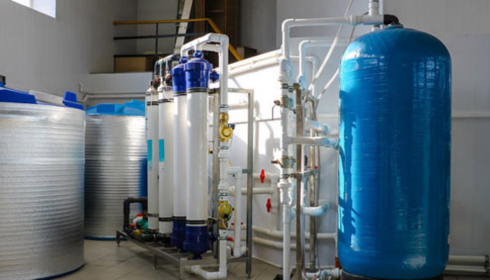
    The flexibility is impressive. Systems can be designed to handle one faucet or supply clean water throughout an entire building. Some units sit discreetly under counters, while others connect directly to the main water line and treat every drop entering the property.


    The Industrial Side of Things

    Now, let’s talk bigger scale. Manufacturing facilities, processing plants, and warehouses face challenges that go well beyond taste. Contaminants in water can affect production lines, damage machinery, and compromise product quality.

    That’s why companies in southern Utah are increasingly hiring providers who specialize in industrial water filter installation service. These setups are engineered to handle higher volumes, tougher water conditions, and more complex requirements. It’s an investment that safeguards operations, prevents downtime, and keeps businesses in compliance with industry standards.


    Offices and the Human Element

    We can’t forget the everyday office environment. Think about how many cups of coffee, bottles filled at the cooler, or glasses poured from the breakroom tap happen during a typical workday. That’s a lot of first impressions tied directly to water.

    When businesses sign up for a professional office water filtration system service, they’re not just improving hydration—they’re quietly shaping company culture. Employees appreciate when management pays attention to these small details. Clean water becomes part of wellness initiatives, supports better focus, and reduces the reliance on sugary drinks. In the long run, that means healthier, happier staff.


    Maintenance: The Often-Overlooked Factor

    It’s easy to think once a filtration system is installed, the job is done. But like any piece of equipment, it needs care. Filters must be replaced on schedule, systems need checkups, and sometimes the setup requires fine-tuning based on seasonal water quality shifts.

    This is why many companies choose full-service providers rather than trying to DIY the process. Professionals not only install but also maintain the system, making sure it performs at its best year-round. It’s one less thing for business owners to worry about, and it ensures consistent water quality without unpleasant surprises.


    Long-Term Payoffs

    The ROI isn’t always immediate, but it’s real. Businesses see lower maintenance costs on appliances, fewer employee complaints about water quality, and a subtle boost to reputation when clients notice the difference. In industries where trust and presentation matter—like healthcare, hospitality, or real estate—even small details like water quality can tip the scales in your favor.

    Think of it this way: good water might not be the main reason someone chooses your business, but bad water could definitely be a reason they don’t.


    What to Look for in a Provider

    If you’re considering filtration for your business, don’t just go with the first company you find online. Ask about customization options, maintenance plans, and whether the system can grow with your business. Look for providers with experience in both small office setups and large-scale industrial installations.

    And always ask for water testing first. Understanding exactly what’s in your supply helps ensure the solution fits the problem. You wouldn’t buy shoes without knowing your size—why invest in filtration without knowing your water profile?


    Wrapping It Up

    At the end of the day, water is one of those basics that often gets overlooked—until it’s not right. St. George businesses are discovering that investing in filtration is more than a technical upgrade. It’s about protecting employees, impressing clients, and ensuring that day-to-day operations run smoothly.

    Whether it’s a small office cooler, a restaurant kitchen, or an industrial facility running high-volume lines, the principle is the same: clean water matters. And the businesses that recognize this early are setting themselves up for fewer headaches and a stronger reputation in the long run.

    Sometimes the simplest changes—like the water you pour into a glass—end up making the biggest difference.

  • When the Lights Go Out: Why Choosing the Right Electrician Matters More Than You Think

    When the Lights Go Out: Why Choosing the Right Electrician Matters More Than You Think

    There’s a strange comfort in the hum of everyday electricity. The refrigerator whirrs quietly, lamps scatter warmth across the living room, the Wi-Fi router blinks with steady reassurance. It all feels so normal—until, in a split second, it doesn’t. A fuse blows, a breaker trips, or worse, sparks shoot from an outlet. Suddenly, you’re in the dark, both literally and figuratively.

    In moments like these, the temptation is to panic or, if you’re the DIY type, to grab a screwdriver and figure things out yourself. But here’s the reality: electricity isn’t forgiving. It’s not like painting a wall where a mistake just means another coat of color. A wrong move with electrical systems can have far bigger consequences—fire hazards, injuries, even long-term damage to your home’s wiring. This is where a Licensed electrician becomes not just helpful but essential.


    The Hidden Risks of Cutting Corners

    We live in an age of YouTube tutorials, where everything looks “easy enough.” Change a switch? Replace a light fixture? How hard can it be? The problem is, electrical systems aren’t always straightforward. That tangle of wires behind your wall follows codes and safety standards you can’t see. Skipping those steps may save a few dollars today but can create expensive disasters tomorrow.

    Think of it like surgery—you wouldn’t want someone who “watched a few videos” to operate on you. The same logic applies here. Hiring someone trained, certified, and licensed ensures the job is done with precision and safety in mind. Beyond the technicalities, a professional brings something invaluable: peace of mind.


    Emergencies Don’t Wait for Business Hours

    One of the more frustrating parts about electrical problems is that they rarely schedule themselves at convenient times. It’s always the middle of a storm, or late at night when half the neighborhood is asleep. And that’s when you’re frantically searching your phone, typing phrases like electrical emergency service near me, hoping someone can show up before things get worse.

    Good electricians understand this urgency. Reliable companies offer 24/7 response not because it’s easy, but because they know how critical fast action can be. A quick visit during an emergency could mean the difference between a minor inconvenience and major damage. For families with kids or elderly members, having someone available around the clock isn’t just a convenience—it’s a necessity.


    Why Experience Matters More Than Price

    It’s easy to chase the cheapest quote, especially when you’re juggling other expenses. But when it comes to electrical work, experience is what truly pays off. A seasoned professional doesn’t just fix the immediate problem—they think ahead. They’ll spot that slightly scorched outlet that could’ve turned into a fire hazard down the line. They’ll suggest updates that bring your system up to modern safety standards.

    This isn’t to say every repair has to be a costly overhaul. The point is balance: investing in expertise today can save you from repeating the same repair—or worse, facing emergencies—tomorrow. Electrical work isn’t about patching problems; it’s about creating a safe, sustainable system for years to come.


    The Value of a Trusted Partner

    Some names stand out in the industry because of how consistently they deliver. Arcon Electric services, for example, has earned its reputation by combining technical know-how with genuine customer care. Their teams aren’t just about wiring and breakers—they’re about showing up when you need them, explaining the work in a way that makes sense, and leaving you confident the job was handled right.

    That’s the kind of relationship homeowners and businesses crave. It’s not about a single job; it’s about trust built over time. Once you’ve had a positive experience with a reliable company, you don’t have to second-guess the next time a problem comes up. And that peace of mind is worth more than any discount you’ll find.


    How to Know You’ve Found the Right Electrician

    So, how do you make sure you’re bringing the right person—or company—into your home? Here are a few signs:

    1. Credentials on the table – They don’t hesitate to show licenses, certifications, and insurance.
    2. Clear communication – No vague answers. They explain the problem and the solution in plain English.
    3. Transparent pricing – Hidden fees are a red flag. Professionals quote fairly and upfront.
    4. Good reviews, word of mouth – A trail of happy customers says more than any ad can.
    5. Preparedness – They show up with the right tools, safety gear, and backup equipment.

    These may sound like common sense, but they make a world of difference when the pressure’s on.


    Everyday Tips to Keep Emergencies Away

    Of course, prevention is always better than cure. While you can’t avoid every issue, a little maintenance goes a long way:

    • Test your breakers and outlets occasionally.
    • Replace old wiring if your home is decades old.
    • Don’t overload outlets with multiple power strips.
    • Schedule routine check-ups, especially if you notice flickering lights or unusual buzzing sounds.

    These small steps can help you avoid sudden failures, and they make your electrician’s job easier when they do visit.


    A Closing Thought

    Electricity is the silent partner in nearly everything we do, from cooking dinner to charging our phones. We notice it only when it disappears, usually at the worst times. That’s why choosing the right professional isn’t just about fixing problems—it’s about safeguarding the comfort and safety of your daily life.

    So the next time you catch yourself thinking, “Maybe I can handle this one,” pause. Ask yourself what’s really at stake. Then remember there are experts out there, ready to step in with the skills, tools, and calm assurance that only comes from training and experience.

    Because when the lights go out, what you need most isn’t luck—it’s someone you can trust to bring them back on.

  • Clean Water, Quiet Confidence: Tackling Rural Well Challenges the Right Way

    Clean Water, Quiet Confidence: Tackling Rural Well Challenges the Right Way

    There’s something grounding about living outside the city. Open skies, quiet nights, and a slower pace that doesn’t feel rushed every second of the day. But for all the perks of rural living, there’s one everyday reality that sneaks up on many families: water. When you’re not tied into municipal lines, your well becomes the beating heart of your home. It’s both freedom and responsibility wrapped together. And as anyone who has dealt with odd smells, stains, or test results knows, water isn’t always as pure as it looks.


    The Reality of Wells

    Pulling water straight from the ground sounds idyllic, but wells carry their own set of quirks. Groundwater passes through layers of soil and rock, picking up minerals and sometimes less welcome hitchhikers like bacteria, nitrates, or sulfur compounds. The result? Water that might look clear in a glass but slowly leaves orange streaks in sinks, odd odors in the shower, or even health questions you can’t shake. That’s why rural well water treatment isn’t just a technical term—it’s the process of making sure the lifeblood of your home is safe, reliable, and pleasant to use.


    Everyday Signs Something’s Off

    The signs aren’t always dramatic. Maybe it’s your morning coffee tasting metallic. Maybe it’s laundry coming out stiff even with fabric softener. Or maybe it’s guests raising eyebrows when they take a sip of tap water. These little hints are easy to brush aside until they add up. Wells can swing in quality over time depending on rainfall, farming nearby, or even seasonal shifts. Without intervention, those “minor” annoyances can turn into real headaches—shortened appliance lifespans, stubborn stains, or health advisories you never thought would apply to your home.


    Breaking Down the Costs

    One question everyone circles back to is money. What’s this going to set me back? The cost of rural water system upgrades depends heavily on what you need. A simple sediment filter to handle cloudy water is on the lower end, while multi-stage filtration or UV disinfection adds more. Softening systems that tackle hard water minerals land somewhere in the middle. For some households, the biggest investment is drilling a deeper well altogether. The important thing to remember is that cost isn’t just about equipment—it’s about weighing it against bottled water expenses, appliance replacements, constant cleaning supplies, and peace of mind you can’t put on a spreadsheet.


    Why Testing Comes First

    It’s tempting to jump straight into buying filters, but without testing you’re shooting in the dark. A proper water test tells you whether you’re dealing with iron, sulfates, bacteria, or nitrates, and in what concentrations. That knowledge shapes your entire approach. Maybe you just need a softener, or maybe you need a layered solution that combines filtration and disinfection. Once you know what you’re up against, you can pick tools that actually solve the problem instead of playing trial and error with your health and your wallet.


    Practical Benefits You’ll Notice

    When treatment systems are in place, the difference shows up everywhere. Showers feel less drying. Dishes finally come out of the dishwasher spotless. Laundry looks and feels cleaner. Coffee and tea taste the way they’re supposed to, without odd notes sneaking in. Even your pets notice—many homeowners say their dogs and cats drink more when the water tastes better. The biggest shift, though, is the sense of confidence that comes with every glass you pour, knowing you don’t have to second-guess it anymore.


    Service That Sticks Around

    Technology is one part of the puzzle, but service is the other. Wells and treatment systems need occasional attention—filters swapped out, salt added to softeners, maybe seasonal adjustments depending on rainfall. That’s where companies offering Infinite Water rural solutions stand out. They don’t just sell you equipment; they back it with ongoing support, maintenance, and advice tuned to rural realities. Because living outside the city doesn’t mean you should have to worry every time you turn on the tap.


    Thinking Beyond the Kitchen

    It’s easy to frame water quality around drinking, but the benefits ripple further. Soft water keeps plumbing clear, reducing the chance of costly repairs. Appliances last longer because they’re not battling mineral buildup. Even your garden benefits when irrigation water isn’t loaded with excess minerals or chemicals. For families raising kids, clean water means confidence in baths, bottles, and backyard sprinklers alike. It’s not just one faucet you’re protecting—it’s the rhythm of your entire household.


    The Long Game

    Water treatment isn’t flashy. It’s not like a kitchen remodel or a new truck that neighbors notice right away. But in the long run, it may be one of the smartest investments you make in your home. It saves money by preventing breakdowns. It saves time by reducing cleaning battles. It saves worry by protecting your family’s health. And in rural life, where self-reliance is part of the deal, knowing your water is handled gives you one less thing to stress over.


    The Emotional Side of Clean Water

    Beyond the dollars and data, there’s an emotional comfort to clean water that’s hard to describe until you’ve felt it. It’s in the ease of offering a guest a glass without hesitation. It’s in the relief of knowing your kids are drinking safely. It’s in the quiet joy of seeing sinks and tubs stay clean instead of fighting constant stains. It’s the background confidence that helps your home feel like a safe, welcoming place. Clean water doesn’t shout—but you feel its presence every single day.


    Wrapping It Up

    Rural life comes with its challenges, but water quality doesn’t have to be one of them. With the right testing, the right system, and the right support, wells can provide water that rivals or even surpasses city supplies. Whether it’s addressing hard water, tackling iron, or simply wanting reassurance, the tools and services exist to make it happen. And once you make the shift, you stop thinking about water as a problem—and start appreciating it again as the quiet, dependable foundation of daily life.

  • Rethinking Your Water at Home: Why Tampa Residents Are Making the Switch

    Rethinking Your Water at Home: Why Tampa Residents Are Making the Switch

    There’s something about water that feels so basic we almost forget to question it. It comes out of the tap, we drink it, cook with it, shower in it, and move on with our day. But then one afternoon you notice your glassware looks cloudy, or your skin feels drier than usual, or that faint chlorine smell lingers in the kitchen. Suddenly, you start to wonder—what exactly is in my water, and is there a way to make it better?

    In Tampa, where the mix of coastal climate and local infrastructure creates its own water quirks, more homeowners are starting to ask the same thing. And the answer, more often than not, comes down to installing systems designed to clean, soften, and improve water at the source.


    The Reality of Tampa’s Water

    If you’ve lived here long enough, you know the water isn’t always perfect. Minerals leave spots on sinks, chlorine treatments can affect taste, and in some cases, the water feels rough on skin and hair. For families with children, or for anyone who simply cares about what they’re drinking, those little quirks quickly add up to frustration.

    That’s why so many households have started looking into water softener installation Tampa specialists offer. By reducing hardness, softeners make soap work the way it’s supposed to, protect appliances from buildup, and transform showers into something that feels less like a chore and more like an actual refresh.


    Beyond Taste: The Hidden Costs of Untreated Water

    The thing about untreated water is that it doesn’t just annoy you—it costs you. Mineral buildup shortens the lifespan of water heaters, dishwashers, and washing machines. Faucets and showerheads clog. Laundry comes out stiff and faded. Over time, these “small” problems lead to expensive repairs or replacements.

    When people start adding up what they’ve spent on bottled water, extra cleaning supplies, and early appliance failures, investing in treatment suddenly feels a lot less like a luxury and more like a practical choice.


    Whole-House Solutions: More Than Just Drinking Water

    It’s easy to think of water filters as something you attach to a faucet or stick in a fridge, but whole-home systems change the game. Instead of treating just what you drink, every tap, shower, and appliance in your home benefits.

    For Tampa families, whole house water filtration Tampa services are becoming increasingly popular. They don’t just make the water taste better—they tackle chlorine, sediment, and other contaminants across the board. That means cleaner laundry, fewer streaks on dishes, and healthier showers. It’s about upgrading the whole experience, not just one glass at a time.


    Installation: Easier Than Most Imagine

    One of the biggest misconceptions is that these systems are hard to install or disrupt the home for weeks. In reality, most water filtration system installation projects are straightforward, often completed in a day. Technicians test your water, recommend a setup based on your household’s needs, and integrate it with your plumbing so it works seamlessly in the background.

    Once installed, the system does its job quietly. You don’t have to think about it—until you realize that your morning coffee tastes better, your shower feels softer, and your dishes finally look as clean as they should.


    Everyday Benefits That Make a Difference

    The improvements are subtle at first but add up fast. Soap and shampoo lather properly. Hair feels softer. Skin doesn’t dry out as much after a shower. Clothes come out of the wash brighter. Even small joys—like filling a glass straight from the tap without hesitation—become part of the routine.

    And for people who’ve relied on bottled water for years, the savings alone can be significant. Not to mention the environmental impact of cutting back on all that plastic.


    Maintenance and Long-Term Care

    Like any system in your home, water treatment requires occasional attention. Filters need to be replaced, softeners refilled, and settings adjusted. But compared to the headaches of untreated water, maintenance is relatively simple. Many local providers even offer service plans, so you don’t have to remember when it’s time for upkeep—they handle it for you.

    Think of it like servicing your air conditioning unit: small, regular check-ups prevent expensive breakdowns later.


    Stories That Stick

    One South Tampa family shared how they tolerated cloudy glassware and stiff laundry for years, assuming it was just “normal.” After finally installing a whole-house system, they were shocked at the difference. Suddenly, their coffee tasted cleaner, their laundry felt softer, and their kids stopped complaining about itchy skin after showers.

    Another homeowner admitted he had resisted installation for years because he assumed it was too costly. After comparing the expense of bottled water, appliance repairs, and cleaning supplies, he realized the system paid for itself faster than expected.


    Tampa’s Water and the Bigger Picture

    Florida’s water challenges aren’t going away anytime soon. Between climate factors, infrastructure strain, and natural mineral content, Tampa residents will likely continue dealing with water quirks. But with modern solutions, families don’t have to just put up with them.

    What’s encouraging is how much these systems have improved. They’re more efficient, eco-friendly, and tailored to local conditions. It’s no longer a one-size-fits-all fix—it’s about customizing water treatment for your household’s exact needs.


    Looking Ahead

    As Tampa grows, more families are realizing that better water isn’t an indulgence. It’s about protecting your home, your health, and even your wallet. Whether it’s softening hard water, filtering out chlorine, or installing a system that handles it all, the result is the same: daily life gets easier.

    And while no one brags about their water system at dinner parties, the comfort it adds is undeniable. It’s the kind of quiet upgrade that improves everything without drawing attention to itself.


    Wrapping It Up

    Water is so ordinary that it’s easy to forget how important it is—until something feels off. For Tampa residents, investing in softeners, filtration, or full system installations isn’t just about taste. It’s about creating a home where every tap delivers water you can trust.

    From clearer dishes to healthier showers, from longer-lasting appliances to peace of mind, the benefits ripple through every corner of the house. And while it may not be the flashiest home improvement, it might just be one of the smartest.

    Sometimes the upgrades you don’t see every day are the ones that make life feel better in every way.

  • Clean Water, Peace of Mind: Why Caring for Your Well Water System Matters

    Clean Water, Peace of Mind: Why Caring for Your Well Water System Matters

    There’s something grounding about using well water. It feels more personal, more connected to the land under your feet. But as anyone who relies on a well knows, it comes with responsibilities. Unlike city water, which is treated before it reaches your tap, well water is yours to manage. And that means what you drink, cook with, and bathe in depends heavily on how well your system is maintained.

    It’s not always glamorous, but it’s essential. And for families and businesses alike, making sure that water is safe and dependable isn’t just about convenience—it’s about health, comfort, and peace of mind.

    The Hidden Complexity of Well Water

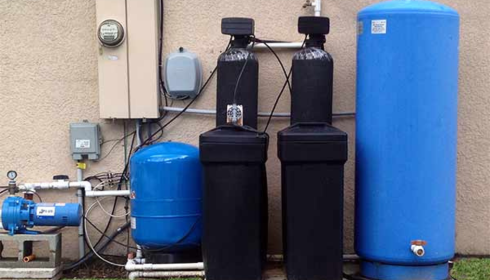
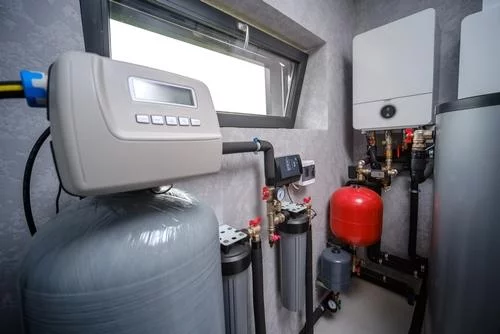
    From the outside, a well system seems simple. Water comes up, flows into the house, and you’re good to go. But below the surface, literally and figuratively, there are layers of complexity. Pumps, pipes, tanks, and filters all have to work in harmony. Add in the fact that natural groundwater can contain minerals, bacteria, or chemicals depending on the region, and suddenly the “simple” system feels like a puzzle that always needs attention.

    When things go wrong—like cloudy water, bad odors, or reduced pressure—it’s rarely just one problem. That’s usually when homeowners start typing repair well water treatment system near me into search engines, realizing this isn’t the kind of job you can fix with a wrench and a YouTube video.

    Why Installation Is More Than Just Plug-and-Play

    Getting a well water system set up correctly from the start makes all the difference. Too often, people think of it as a one-size-fits-all project. In reality, groundwater varies wildly from place to place. Some wells pull up hard water filled with calcium and magnesium. Others deal with iron staining sinks and laundry. In some areas, nitrates or even arsenic can sneak into the supply.

    That’s why professional installation is so important. For example, many families turn to well water filter installation services Southern California specialists, because they don’t just install equipment—they test, analyze, and tailor solutions for the unique challenges in that region. Done right, you end up with water that tastes better, supports your appliances, and keeps your family safe. Done wrong, and you’re fighting constant repairs.

    The Importance of Regular Maintenance

    Even with the best installation, no system runs forever without care. Filters clog, pumps wear, and tanks develop issues. Left unchecked, those small problems snowball into expensive emergencies.

    That’s why it’s worth building a routine around maintenance. Professionals who maintain well water treatment system SoCal often recommend yearly inspections, water testing, and filter replacements as needed. It’s the kind of preventive care that keeps things running smoothly. You wouldn’t drive your car for years without an oil change—your water system deserves the same kind of attention.

    Everyday Signs Something’s Off

    Sometimes the need for service is obvious. Maybe your water smells like sulfur, tastes metallic, or leaves orange streaks on fixtures. Other times, it’s subtler: soap not lathering as well, appliances breaking sooner than expected, or even family members complaining about skin irritation.

    These are all signals that the system might not be doing its job properly. Catching them early saves both money and stress. Because once a pump burns out or bacteria spreads through pipes, the fix is far more disruptive.

    Why DIY Isn’t Always Enough

    Plenty of homeowners are handy and like tackling projects themselves. And sure, swapping out a basic filter or checking pressure tanks might be manageable. But most well water systems aren’t simple plug-and-play setups. They require knowledge of hydraulics, chemistry, and sometimes even electrical systems.

    That’s where professional service pays off. They don’t just patch the obvious issue—they dig deeper to make sure the whole system is working correctly. It’s less about fixing one symptom and more about keeping the whole process healthy and balanced.

    The Long-Term Value

    Investing in your well water system isn’t just about avoiding breakdowns. It’s about protecting everything connected to it. Appliances like dishwashers and washing machines last longer with clean, softened water. Pipes avoid the buildup that leads to clogs. Even your clothes and skin benefit when water is properly treated.

    Over time, those savings add up. It’s one of those investments that pays you back slowly but steadily, in both dollars and peace of mind.

    The Regional Factor

    Southern California has its own challenges when it comes to water. Droughts, shifting groundwater levels, and naturally hard water make reliable treatment systems more important than ever. Families and businesses here often can’t afford to “wait and see.” They need proactive solutions that account for both present needs and future risks.

    That’s why local service providers matter so much. They understand the regional quirks, from high mineral content to seasonal fluctuations, and can recommend systems designed to withstand them.

    More Than Just Health—It’s Comfort

    Beyond safety, there’s something to be said for comfort. Clean, fresh-tasting water makes daily life better. Showers feel more refreshing, cooking is more enjoyable, and even your morning coffee tastes noticeably smoother. It’s not just about avoiding illness—it’s about raising the quality of everyday experiences.

    And in a world where we’re always looking for ways to improve wellbeing, sometimes the simplest upgrade—like better water—has the biggest impact.

    Wrapping It All Up

    At the end of the day, your well water system isn’t something you should only think about when it breaks. It’s an ongoing partnership between you, the equipment, and the professionals who keep it running. Installation sets the foundation, maintenance ensures longevity, and repairs handle the bumps along the way.

    For families in Southern California and beyond, investing in clean, reliable well water isn’t a luxury. It’s a necessity that touches every part of daily life. From the glass of water on your kitchen counter to the machines that keep your home running, it all starts with the system pulling from the ground below.

    So the next time you take a sip, pause for a moment. That clean taste isn’t an accident—it’s the result of care, planning, and a system designed to keep you safe. And that’s worth every bit of attention it takes.

  • A Local’s Take on Fencing in Dallas: Repair, Installation, and the Character of Wooden Yards

    A Local’s Take on Fencing in Dallas: Repair, Installation, and the Character of Wooden Yards

    If you’ve lived in Dallas long enough, you know a fence isn’t just a fence. It’s part of the story of your home—sometimes it’s the first thing neighbors or visitors notice, and sometimes it’s the silent protector of your backyard peace. Fences here take a beating though, between blazing Texas summers, unexpected storms, and the occasional wayward football from the neighbor’s kids. Sooner or later, every homeowner faces the same decision: patch it up, or start fresh.

    I’ve walked down blocks where one house had a shiny, newly built fence that practically gleamed in the sunlight, while the next yard over was still standing behind panels leaning like tired soldiers. Both told their own stories. But if you’re in Dallas, that story has an extra twist: the sheer number of local companies ready to lend a hand, and the variety of materials and approaches that make choosing what’s right feel both empowering and overwhelming.


    Why Repairs Are Part of the Deal

    No matter how strong your fence looked on day one, Texas weather likes to remind us who’s boss. The wind whips hard, storms roll through, and the sun bakes everything relentlessly. Even well-built fences start to sag or show gaps after a while. When that happens, it’s not always a catastrophe—it might just need some professional fence repair dallas homeowners can count on.

    And let’s be honest, many of us underestimate the value of quick repairs. We’ll patch things with zip ties, or wedge in a random piece of wood, thinking it’ll last “just until next weekend.” Weeks turn into months, and suddenly half the yard looks like a makeshift construction site. A reliable repair team doesn’t just fix the obvious; they can spot small weaknesses before they snowball into big costs.


    Thinking About a Fresh Start

    Sometimes though, repairing feels like putting duct tape on a sinking ship. If your fence is past its prime, it might be smarter (and oddly more satisfying) to go for a complete upgrade. There’s something refreshing about watching a crew pull out those old posts and setting up something sturdy and new.

    The choices these days aren’t limited to what your grandparents had, either. You’ve got vinyl that’s practically maintenance-free, iron that adds a regal vibe, and even composite materials that blend longevity with style. But the real magic happens when you work with local pros who know the quirks of Dallas soil and weather. A company that specializes in fence installation dallas style understands not just the build, but also how to future-proof it against what our city throws at it.


    Wooden Fences: A Dallas Classic

    Still, for all the modern options, there’s something about wood that feels timeless. Drive through older Dallas neighborhoods, and you’ll see wooden fences framing gardens, backyards, and cozy porches. They’re imperfect in the best way—slight variations in grain, weathered boards telling stories of summer cookouts and kids’ birthday parties.

    Yes, they require care. Yes, they’ll eventually warp or fade. But there’s an undeniable charm in choosing a wooden fence dallas homeowners have trusted for decades. It’s not just a barrier; it’s part of the character of a house. With the right stain and sealant, wood doesn’t just survive here—it thrives, aging with a kind of rugged beauty that synthetic materials can’t quite capture.


    The Cost Question Nobody Loves to Ask

    Of course, money is always part of the conversation. And no two jobs are alike. Repairs might cost a fraction of what replacement does, but if you’re repairing over and over, you’re likely throwing good cash after bad. Installation costs vary widely depending on materials—wood often being more budget-friendly upfront, though it comes with higher long-term maintenance compared to vinyl or steel.

    Homeowners often get stuck in the middle: repair for now, plan for installation later. And honestly, that’s a reasonable approach. There’s no shame in stretching your fence’s life a bit while saving up for a full upgrade.


    A Few Personal Lessons

    Here’s a little truth from someone who’s dealt with fences more times than I care to count: waiting too long only makes the problem more expensive. That one wobbly post? It doesn’t fix itself. And the storm that blows through next week will push it further until suddenly a whole section is down.

    On the flip side, don’t let anyone talk you into a full replacement if a repair would genuinely buy you another good stretch of use. The best contractors I’ve worked with in Dallas were the ones who didn’t rush me into spending more but gave honest advice based on the fence’s condition.


    Where It All Lands

    Fences might not be glamorous, but they matter. They define space, protect privacy, and shape how we feel about our homes. In Dallas, with our mix of weather and wide variety of housing styles, choosing the right path—repair, installation, or sticking with wood—makes all the difference.