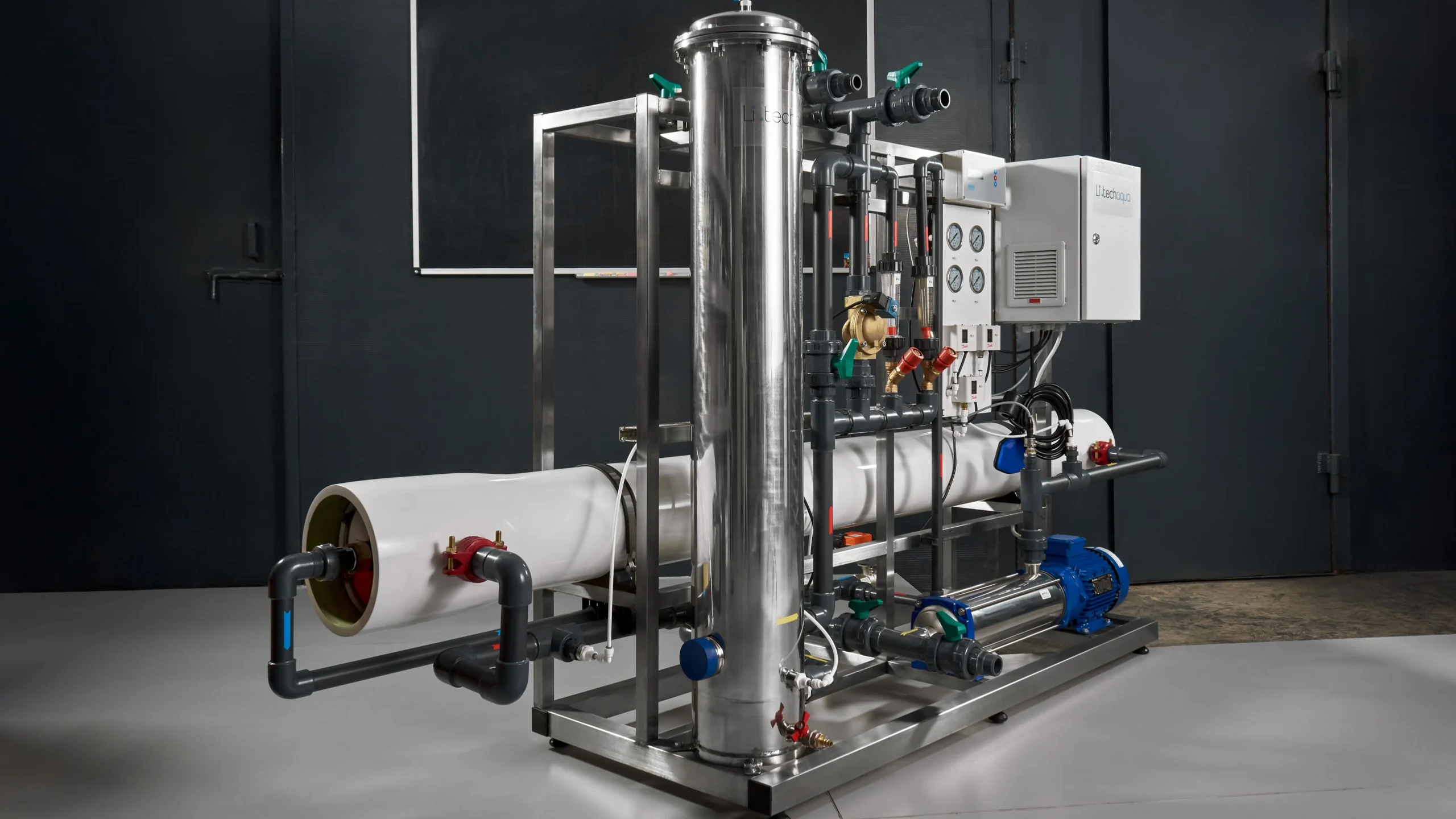
The water coming from a kitchen tap often looks harmless. It’s clear, familiar, and usually available whenever we need it. Yet taste, odor, mineral content, and the condition of household plumbing can all influence the quality of that water. For many homeowners, the decision to install a drinking water filter begins with something simple: the water doesn’t taste quite right, or they want greater confidence in what their family is consuming.
Choosing a system, however, deserves more thought than picking a product with the most impressive label. Different technologies are designed for different purposes. Some improve taste, others reduce dissolved substances, and some are intended to address specific contaminants. Understanding these differences can help homeowners avoid paying for equipment that doesn’t solve their actual problem.
Why Drinking Water Quality Deserves Attention
Water quality can change as water travels from its original source to the glass. Public utilities treat water before distribution, but the water may still pick up tastes or odors from disinfectants, storage tanks, or household plumbing. In homes with older pipes, internal plumbing conditions may also affect the water that reaches the tap.
Private well owners face a different set of considerations. Groundwater may contain naturally occurring minerals, sediment, iron, sulfur compounds, or microorganisms. These concerns vary depending on the local geology, well construction, surrounding land use, and maintenance history.
Not every unusual taste indicates a serious health issue, but it shouldn’t automatically be dismissed either. Testing is the most useful way to distinguish between a cosmetic concern and a problem that requires more specialized attention.
Understanding Common Contaminants
The term common contaminants covers a wide range of substances that may affect water quality. Some occur naturally, while others may enter water through treatment processes, environmental conditions, or plumbing materials.
Hardness minerals, such as calcium and magnesium, can create scale and affect the taste or feel of water. Iron and manganese may leave stains or produce a metallic flavor. Chlorine and chloramine, used by utilities for disinfection, can sometimes be noticeable in drinking water.
Sediment is another common issue, particularly in private well systems. Small particles may affect clarity and contribute to wear in faucets or appliances. Depending on the location, homeowners may also be concerned about substances such as nitrates, arsenic, lead, or other chemicals. These cannot be identified reliably by taste or appearance alone.
The important point is that no single filter removes everything. A system should be selected according to verified water conditions and the contaminants it has been tested to reduce.
Start With a Water Test
Before purchasing filtration equipment, homeowners should consider testing the water. A basic screening may examine factors such as pH, hardness, chlorine, iron, and other common indicators. More detailed laboratory testing may be appropriate when there are concerns about bacteria, metals, or specific environmental contaminants.
Testing is especially important for private well owners. Wells should be checked regularly and after events such as flooding, repairs, or changes in water appearance and odor. A professional can help interpret the results and explain which concerns are treatable through filtration and which may require a different response.
If a company offers an in-home water test, ask what is being measured and whether the test is performed on-site or by a certified laboratory. A clear explanation of the results is just as valuable as the test itself.
Why Reverse Osmosis Is Popular for Drinking Water
A reverse osmosis drinking water system is commonly installed beneath a kitchen sink or at another point of use. It uses pressure to move water through a semipermeable membrane, reducing many dissolved substances before the water reaches a dedicated faucet.
RO systems often include multiple stages. A sediment filter may capture larger particles, while a carbon filter can help protect the membrane and improve taste. The RO membrane handles much of the dissolved-solids reduction, and a final polishing filter may improve the finished water’s flavor.
This technology can be useful for households that want additional treatment for drinking and cooking water. It may reduce certain dissolved salts, metals, and other substances, depending on the system’s design and certification.
Still, reverse osmosis is not the right answer for every situation. It typically produces some wastewater, requires filter and membrane replacement, and may need a storage tank to provide water quickly. Homeowners should also check the system’s flow rate and daily production capacity, especially if several people will use it regularly.
Considering Local Florida Water Conditions
Water quality concerns can be influenced by geography, water sources, and local infrastructure. local florida water may have characteristics that differ from water in other regions, particularly because many communities rely heavily on groundwater and aquifer systems.
Hardness is a frequent consideration in many Florida properties. Groundwater can move through limestone and pick up minerals that contribute to scale on fixtures, shower doors, and water heaters. Some areas may also experience concerns related to sulfur odors, iron staining, or changes in taste.
Coastal conditions, seasonal weather, private wells, and aging plumbing can add further variables. However, homeowners should avoid assuming that every Florida property has the same water problem. A home connected to a municipal system may need a different solution from a rural property using a private well.
The most useful approach is to test the water at the property and select equipment based on those findings rather than relying solely on regional assumptions.
Point-of-Use or Whole-Home Filtration?
A drinking water system generally treats water at one faucet, making it a practical choice for drinking and cooking. This approach can be cost-effective when the main concern is the quality or taste of water consumed directly.
Whole-home filtration, by contrast, treats water as it enters the property. This may be more suitable when the homeowner wants to address chlorine odor, sediment, or another issue throughout the house, including showers, bathrooms, and laundry areas.
In some homes, both approaches make sense. A whole-house filter may improve general water quality, while an RO system provides an additional level of treatment at the kitchen sink. The combination should be based on actual needs, available space, water pressure, and maintenance requirements.
What to Check Before Buying
A water filtration system should be evaluated by performance rather than marketing language. Before making a purchase, homeowners should ask:
- What contaminants is the system designed to reduce?
- Is the performance independently tested or certified?
- Does it require professional installation?
- How often must filters and membranes be replaced?
- What is the annual maintenance cost?
- Does the system affect water pressure?
- How much treated water can it produce each day?
- Are replacement parts easy to find?
It is also wise to review the manufacturer’s performance data. Words such as “pure,” “clean,” or “advanced” are not enough to establish what a system actually removes.
Maintenance Is Essential
Even the best filtration equipment needs regular care. Sediment and carbon filters must be changed before they become overloaded. RO membranes may require replacement after a certain period or when performance declines. Connections should also be checked for leaks, especially beneath the sink.
Keeping a simple maintenance schedule can prevent unpleasant surprises. Homeowners should pay attention to changes in taste, flow rate, or water production, as these may indicate that a filter or membrane needs attention.
Making a Practical Decision
Selecting a drinking water filtration system doesn’t have to be overwhelming. Start by testing the water, identify the specific concern, and compare technologies that are designed to address it. A reverse osmosis system may be appropriate for drinking and cooking water, while carbon filtration, softening, or whole-home treatment may be useful for broader household issues.
The goal isn’t to buy the most complicated equipment available. It’s to choose a dependable system that fits the home, the water source, and the family’s daily habits. With the right information and regular maintenance, better-tasting and more reliable drinking water can become a simple part of everyday life.