Blog

  • Backlinks That Build Trust: A Practical Guide for Growing Websites

    When another website links to yours, it can help readers discover your work and give search engines a useful signal about its relevance. But backlinks are not all equally valuable. A small number of relevant, editorially earned links can be more worthwhile than a large pile of links from unrelated or low-quality pages. The goal is to make your site genuinely useful to others, then make it easy for the right people to find it.

    Start with something worth linking to

    Before contacting publishers or looking for link opportunities, consider what would make someone cite your page. Useful linkable material might include original research, a clear how-to guide, a glossary, a detailed comparison, or a practical resource that saves readers time. It does not need to be elaborate; it does need to answer a real question better than a generic page does.

    Review the page from a visitor’s perspective. Is the main point clear? Are claims supported, and are examples current? Does the page work on mobile and load reliably? A potential referring site is more likely to share content that is accurate, easy to navigate, and appropriate for its audience.

    Look for relevance, not just volume

    A useful backlink comes from a page that makes sense in context. A link from a trade publication, community resource, or specialist blog may introduce your work to readers who are already interested in the subject. A link from an unrelated site may bring little value, even if the site appears large.

    When assessing a prospect, check the actual page rather than relying only on a domain score or automated metric. Read a few recent articles, consider who they serve, and see whether they link to credible sources. If the page is crowded with unrelated links or exists mainly to publish paid placements, treat it cautiously. Tools and services that list backlink opportunities can help with discovery, but each prospect still needs a relevance and quality check.

    Use outreach to offer a useful contribution

    A concise, personal message is usually more effective than a mass email. Explain why you are contacting that particular editor or site owner, identify the page or topic you have in mind, and describe how your resource could help their readers. If you are suggesting a correction or replacement for a broken link, make the issue easy to verify and offer a genuinely relevant alternative.

    Avoid demanding exact-match anchor text, sending repeated follow-ups, or implying that a link must be added. Editors make their own decisions. If the resource is not a fit, accept that and move on. A respectful approach protects your reputation and keeps outreach focused on relationships rather than link counts.

    Build links through useful work

    • Create original material: Publish data, expert commentary, or a well-organized guide that adds something beyond what is already available.
    • Contribute expertise: Offer a thoughtful guest article or interview to a publication whose readers overlap with yours. The contribution should stand on its own, not exist only to place a link.
    • Support relevant communities: Participate in professional groups and discussions by answering questions. Share your page only when it directly helps with the topic.
    • Check existing mentions: If a site refers to your business or work without linking, a polite note may help readers find the source, provided the mention is accurate and the link would be useful.

    Some teams bring in outside help for research, writing, design, or outreach. A freelance marketplace such as Osdire connects buyers with freelancers across more than 900 categories, including marketing, writing, design, and programming. Its flat pricing has no hidden fees, and payment is held securely during an order and released after the buyer approves the delivered work. As with any contractor, define the scope, quality standards, and approval process before work begins.

    Track quality and keep expectations realistic

    Keep a simple record of prospects, outreach dates, responses, and links earned. Review whether the referring page is relevant, whether the link is accessible to readers, and whether it sends appropriate visitors. Referral traffic, new mentions, and stronger relationships can be useful outcomes alongside search visibility. Avoid judging a campaign only by the number of links gained in a short period.

    Backlink growth takes time, and no responsible process can promise a specific ranking result. Be wary of offers built around guaranteed quantities, automated comment links, private networks, or large batches of unrelated placements. Those shortcuts can create a messy profile without helping people find better information.

    A durable approach is straightforward: publish something worth citing, identify sites whose audiences would benefit, and make a relevant, courteous case for sharing it. When each link has a clear purpose for readers, it is more likely to support both your site’s reputation and its long-term visibility.

  • What to Know Before Choosing a Drinking Water Filtration System in Florida

    What to Know Before Choosing a Drinking Water Filtration System in Florida

    The water coming from a kitchen tap often looks harmless. It’s clear, familiar, and usually available whenever we need it. Yet taste, odor, mineral content, and the condition of household plumbing can all influence the quality of that water. For many homeowners, the decision to install a drinking water filter begins with something simple: the water doesn’t taste quite right, or they want greater confidence in what their family is consuming.

    Choosing a system, however, deserves more thought than picking a product with the most impressive label. Different technologies are designed for different purposes. Some improve taste, others reduce dissolved substances, and some are intended to address specific contaminants. Understanding these differences can help homeowners avoid paying for equipment that doesn’t solve their actual problem.

    Why Drinking Water Quality Deserves Attention

    Water quality can change as water travels from its original source to the glass. Public utilities treat water before distribution, but the water may still pick up tastes or odors from disinfectants, storage tanks, or household plumbing. In homes with older pipes, internal plumbing conditions may also affect the water that reaches the tap.

    Private well owners face a different set of considerations. Groundwater may contain naturally occurring minerals, sediment, iron, sulfur compounds, or microorganisms. These concerns vary depending on the local geology, well construction, surrounding land use, and maintenance history.

    Not every unusual taste indicates a serious health issue, but it shouldn’t automatically be dismissed either. Testing is the most useful way to distinguish between a cosmetic concern and a problem that requires more specialized attention.

    Understanding Common Contaminants

    The term common contaminants covers a wide range of substances that may affect water quality. Some occur naturally, while others may enter water through treatment processes, environmental conditions, or plumbing materials.

    Hardness minerals, such as calcium and magnesium, can create scale and affect the taste or feel of water. Iron and manganese may leave stains or produce a metallic flavor. Chlorine and chloramine, used by utilities for disinfection, can sometimes be noticeable in drinking water.

    Sediment is another common issue, particularly in private well systems. Small particles may affect clarity and contribute to wear in faucets or appliances. Depending on the location, homeowners may also be concerned about substances such as nitrates, arsenic, lead, or other chemicals. These cannot be identified reliably by taste or appearance alone.

    The important point is that no single filter removes everything. A system should be selected according to verified water conditions and the contaminants it has been tested to reduce.

    Start With a Water Test

    Before purchasing filtration equipment, homeowners should consider testing the water. A basic screening may examine factors such as pH, hardness, chlorine, iron, and other common indicators. More detailed laboratory testing may be appropriate when there are concerns about bacteria, metals, or specific environmental contaminants.

    Testing is especially important for private well owners. Wells should be checked regularly and after events such as flooding, repairs, or changes in water appearance and odor. A professional can help interpret the results and explain which concerns are treatable through filtration and which may require a different response.

    If a company offers an in-home water test, ask what is being measured and whether the test is performed on-site or by a certified laboratory. A clear explanation of the results is just as valuable as the test itself.

    Why Reverse Osmosis Is Popular for Drinking Water

    A reverse osmosis drinking water system is commonly installed beneath a kitchen sink or at another point of use. It uses pressure to move water through a semipermeable membrane, reducing many dissolved substances before the water reaches a dedicated faucet.

    RO systems often include multiple stages. A sediment filter may capture larger particles, while a carbon filter can help protect the membrane and improve taste. The RO membrane handles much of the dissolved-solids reduction, and a final polishing filter may improve the finished water’s flavor.

    This technology can be useful for households that want additional treatment for drinking and cooking water. It may reduce certain dissolved salts, metals, and other substances, depending on the system’s design and certification.

    Still, reverse osmosis is not the right answer for every situation. It typically produces some wastewater, requires filter and membrane replacement, and may need a storage tank to provide water quickly. Homeowners should also check the system’s flow rate and daily production capacity, especially if several people will use it regularly.

    Considering Local Florida Water Conditions

    Water quality concerns can be influenced by geography, water sources, and local infrastructure. local florida water may have characteristics that differ from water in other regions, particularly because many communities rely heavily on groundwater and aquifer systems.

    Hardness is a frequent consideration in many Florida properties. Groundwater can move through limestone and pick up minerals that contribute to scale on fixtures, shower doors, and water heaters. Some areas may also experience concerns related to sulfur odors, iron staining, or changes in taste.

    Coastal conditions, seasonal weather, private wells, and aging plumbing can add further variables. However, homeowners should avoid assuming that every Florida property has the same water problem. A home connected to a municipal system may need a different solution from a rural property using a private well.

    The most useful approach is to test the water at the property and select equipment based on those findings rather than relying solely on regional assumptions.

    Point-of-Use or Whole-Home Filtration?

    A drinking water system generally treats water at one faucet, making it a practical choice for drinking and cooking. This approach can be cost-effective when the main concern is the quality or taste of water consumed directly.

    Whole-home filtration, by contrast, treats water as it enters the property. This may be more suitable when the homeowner wants to address chlorine odor, sediment, or another issue throughout the house, including showers, bathrooms, and laundry areas.

    In some homes, both approaches make sense. A whole-house filter may improve general water quality, while an RO system provides an additional level of treatment at the kitchen sink. The combination should be based on actual needs, available space, water pressure, and maintenance requirements.

    What to Check Before Buying

    A water filtration system should be evaluated by performance rather than marketing language. Before making a purchase, homeowners should ask:

    • What contaminants is the system designed to reduce?
    • Is the performance independently tested or certified?
    • Does it require professional installation?
    • How often must filters and membranes be replaced?
    • What is the annual maintenance cost?
    • Does the system affect water pressure?
    • How much treated water can it produce each day?
    • Are replacement parts easy to find?

    It is also wise to review the manufacturer’s performance data. Words such as “pure,” “clean,” or “advanced” are not enough to establish what a system actually removes.

    Maintenance Is Essential

    Even the best filtration equipment needs regular care. Sediment and carbon filters must be changed before they become overloaded. RO membranes may require replacement after a certain period or when performance declines. Connections should also be checked for leaks, especially beneath the sink.

    Keeping a simple maintenance schedule can prevent unpleasant surprises. Homeowners should pay attention to changes in taste, flow rate, or water production, as these may indicate that a filter or membrane needs attention.

    Making a Practical Decision

    Selecting a drinking water filtration system doesn’t have to be overwhelming. Start by testing the water, identify the specific concern, and compare technologies that are designed to address it. A reverse osmosis system may be appropriate for drinking and cooking water, while carbon filtration, softening, or whole-home treatment may be useful for broader household issues.

    The goal isn’t to buy the most complicated equipment available. It’s to choose a dependable system that fits the home, the water source, and the family’s daily habits. With the right information and regular maintenance, better-tasting and more reliable drinking water can become a simple part of everyday life.

  • Simple Ways to Keep the Spark Alive in a Long-Term Relationship

    Simple Ways to Keep the Spark Alive in a Long-Term Relationship

    Relationships tend to mature over time. The thrill of the first day will eventually be altered by regular routine, a hectic schedule, work, and every task you do in your day-to-day life. However, it is not necessary for being accustomed to the routine to affect your romance. In order to keep the bond as strong as possible, there is a need to consciously make efforts, comprehend the partner, and keep on investing in one another. With just a few good practices, the relationship can be preserved for many years ahead.

    1. Make Quality Time a Priority

    Being together does not necessarily mean that you spend time together actively. Put down your cellphones, take a break from all of your daily activities, and focus on each other. Whether it is date night once a week, a walk in the evening, or spending quality time with Ahmedabad call girls over dinner, there is no doubt that you will get the chance to reconnect.

    2. Keep Communicating Openly

    Good communication is essential at every stage of a relationship. Talk about things beyond your routine, duties, and household matters. Tell your partner how you feel, what you hope for, your concerns, and your expectations. Most importantly, listen to what they are saying, not evaluating right away or trying to fix the problem instantly. The sense that one has been heard and understood really will make your emotional closeness stronger.

    3. Continue Dating Each Other

    Keeping romance alive can be quite simple if you continue to go on dates, even after being together for many years. Plan a surprise trip out, go back to the spot of your very first date, or arrange an unplanned evening together. Romantic gestures won’t have to be expensive or very complex. Most importantly, you must show your partner that they continue to be someone really worth making an effort for.

    4. Show Appreciation Regularly

    Never underestimate the power of a sincere ‘thank you.’ Observe those very small things your partner does and inform them that their efforts are really important. A thoughtful message, a completely genuine compliment, a handwritten note, or just saying thank you will let your partner know they are held in high esteem. Showing appreciation regularly helps stop familiarity from becoming complacency, where we take each other for granted.

    5. Try Something New Together

    Your routine will often create a predictable feeling in your relationship. Break this pattern by making new experiences together. Why not try out a new hobby, learn a skill, travel to a completely different place, prepare an unknown dish, or even explore activities that Hyderabad escorts might enjoy, just take a trip to someplace that neither of you has ever been to previously? Your shared adventures really will make for very special memories and give you something new to truly appreciate each other for.

    6. Maintain Physical and Emotional Affection

    Affection forms a crucial part of maintaining your connection with someone else. Holding hands, hugging, cuddling, offering compliments, or sharing that special loving touch expresses feelings, all without needing to say them out loud. Your emotional affection really matters too. Being open and vulnerable, discussing personal feelings, and constantly reassuring one another will significantly deepen that trust and produce a much greater sense of closeness.

    7. Give Each Other Space

    A truly healthy relationship also leaves room for individuality. Make sure that you support each other in pursuing personal interests, friendships, hobbies, and goals. Spending a bit of time apart won’t weaken a really strong relationship.  It will actually make the time you do spend together feel even more precious. Holding onto your individuality lets both partners carry on developing themselves whilst still being very much connected.

    8. Handle Conflict With Care

    Every couple will have their disagreements. The goal isn’t really to avoid conflicts entirely but to deal with them respectfully. Make time to hear your partner’s viewpoint, don’t have a go at them personally, acknowledge your own mistakes too, and focus on finding solutions rather than trying to ‘win’ the argument. For Lucknow escorts, approaching those tricky discussions with patience and empathy can stop what might seem like just a minor disagreement from creating a really big gap between you.

    Final Thoughts

    Keeping that initial spark alive forever in your relationship is really about continually choosing your partner with every one of your daily actions. Make time for each other, speak truthfully, say thank you, and keep searching for new experiences – all this whilst safeguarding both your emotional and physical intimacy. When both partners continually put themselves into their bond, a long-term relationship won’t merely last for a long time; it will also be incredibly rewarding.

  • Why Quality Vehicle Graphics Start With Better Materials and Better Planning

    Why Quality Vehicle Graphics Start With Better Materials and Better Planning

    A business vehicle has a job to do long before it becomes an advertising tool. It carries equipment, delivers products, visits customers and moves employees from one location to another. But with the right graphics, that same vehicle can also spend every working day quietly promoting the company.

    The difference between a wrap that looks impressive for a few months and one that continues looking professional over time often comes down to choices made before installation. Design matters, of course. So do installation skills. But materials deserve plenty of attention too.

    A good-looking vehicle is nice. A durable, well-planned branded vehicle is much more useful.

    Start With Materials That Fit the Job

    Not every vinyl film is designed for the same purpose. Some materials are intended for short-term promotions, while others are engineered for demanding outdoor applications.

    When businesses invest in highest quality films, they’re usually looking for more than attractive colors. They want dependable adhesion, consistent appearance and materials that can handle everyday exposure to sunlight, rain, dust and road grime.

    That doesn’t mean the most expensive product is automatically the best choice. The right film depends on the vehicle, surface, expected lifespan, finish and environment.

    A delivery van that spends ten hours a day outdoors has different needs from a promotional vehicle used for a weekend event. Understanding that difference can prevent unnecessary spending.

    Why Premium Materials Can Make Sense

    Vehicle graphics are exposed to a surprisingly rough environment.

    Think about what a commercial van experiences in one ordinary week: hot pavement, sudden rain, automatic washing, road dust, parking-lot bumps and plenty of sunlight. The material needs to deal with all of it.

    For businesses seeking a reliable option, premium 3m materials are often considered because established vinyl manufacturers offer products designed for specific vehicle applications and finishes.

    Still, brand name alone isn’t enough. The installer needs to choose the correct product for the application and follow the manufacturer’s recommendations.

    A premium film installed incorrectly won’t suddenly become a great wrap. Material quality and installation quality need to work together.

    Design Should Be Built Around the Vehicle

    One of the easiest mistakes is designing the artwork first and worrying about the vehicle afterward.

    A van isn’t a flat rectangle. It has doors, handles, wheel arches, windows, seams and curves. These features can interrupt graphics and change how text appears.

    Good design accounts for those realities from the beginning.

    The company name should remain visible. Important contact information shouldn’t disappear around a door edge. Logos need enough breathing room to remain recognizable.

    And don’t forget the rear. In traffic, other drivers may spend several minutes looking at the back of a company vehicle. That’s valuable space, especially when the message is simple and easy to remember.

    Fleet Branding Needs Consistency

    One branded vehicle can create awareness. A group of matching vehicles can create something much stronger.

    Vehicle fleet graphics allow companies to build a recognizable presence across multiple cars, vans or trucks. When each vehicle shares the same colors, logo placement and general design language, the entire fleet starts to feel like one moving brand.

    This can be especially effective for service companies, delivery businesses, contractors and logistics operations.

    The vehicles don’t have to be identical. Different models may require different layouts. What matters is maintaining visual consistency.

    Imagine seeing three different vans from the same company over the course of a week. Even if you don’t consciously think about it, your brain begins connecting those vehicles to one business.

    That’s brand recognition doing its quiet work.

    Keep the Message Simple

    A vehicle is not a brochure.

    People usually see it while walking, driving or waiting in traffic. They don’t have time to read a long list of services.

    The most effective designs often include only the essentials:

    • Business name
    • Logo
    • Main service
    • Phone number or website
    • A memorable visual element

    If the company offers ten different services, it doesn’t necessarily need to list all ten.

    A short, clear message can make a stronger impression than a wall of text. This is one area where restraint really pays off.

    Installation Is Just as Important as Design

    Even excellent vinyl can look poor when installation is rushed.

    The vehicle needs to be thoroughly cleaned and prepared. Dust, wax, grease and other contaminants can interfere with adhesion. Curves and recessed areas require careful handling, and edges need to be finished properly.

    Experienced installers also understand how to manage tension in the vinyl. Stretching material too aggressively can affect its appearance and performance.

    Bubbles and wrinkles aren’t just cosmetic problems. They can become more noticeable over time and may affect durability.

    A little patience during installation can save a lot of trouble later.

    Think About Maintenance Before the Wrap Goes On

    Maintenance shouldn’t be an afterthought.

    Businesses should know how to clean the finished vehicle and which products to avoid. Abrasive brushes and harsh chemicals can be problematic for some films and finishes.

    Regular washing is usually helpful because dirt and road grime can accumulate quickly on working vehicles.

    It’s also smart to deal with contaminants such as bird droppings or tree sap sooner rather than later. Leaving them on the surface for extended periods can make cleaning harder.

    The goal isn’t to treat the vehicle like a fragile piece of art. Just give the graphics sensible care.

    Quality Is About Long-Term Value

    Price is important, especially for small businesses. But focusing only on the initial cost can be misleading.

    A cheaper material may need to be replaced sooner. Poor installation may lead to repairs. A complicated design could become difficult to update when the business changes its branding.

    A well-planned project considers the entire life of the wrap.

    Ask how long the material is expected to last, how it should be maintained and what happens if a panel becomes damaged. Knowing these things upfront makes the investment easier to manage.

    A Moving Brand That Works Every Day

    The best vehicle graphics don’t feel like an advertisement pasted onto a vehicle. They feel like part of the company.

    The design is clear. The materials are appropriate. The installation is clean. The branding remains recognizable across the fleet.

    And perhaps most importantly, the vehicle keeps working while the advertising works alongside it.

    A van heading to a customer, a truck parked outside a job site or a delivery vehicle moving through town can create another brand impression without buying another advertising placement.

    That’s the real strength of quality vehicle graphics. They turn everyday business activity into an opportunity to be seen—and when thoughtful design is paired with dependable materials and skilled installation, that opportunity can last for years.


  • Choosing the Right Water Treatment Approach for Your Home or Business

    Choosing the Right Water Treatment Approach for Your Home or Business

    Clean, dependable water is one of those things most people don’t think about until something goes wrong. Maybe the water suddenly tastes strange, there’s a stubborn odor coming from the tap, or mineral buildup starts appearing on faucets and appliances. In other cases, the problem is less obvious but still worth addressing.

    That’s where a properly selected water treatment system can make a real difference. The right solution isn’t necessarily the most expensive or complicated one. It depends on what’s actually in the water, how much water you use, and what you want the treatment to accomplish.

    Start by Understanding Your Water

    Before choosing equipment, it helps to know what you’re dealing with. Water quality can vary dramatically from one neighborhood to another, and even homes on private wells may have very different conditions.

    Common concerns include hard-water minerals such as calcium and magnesium, chlorine, sediment, unpleasant odors, iron, and certain unwanted contaminants. Municipal water supplies are generally treated before reaching homes, but treatment at the source doesn’t always mean the water will meet every household’s preferences.

    A water test can provide a much clearer picture. Instead of guessing based on taste or appearance, testing gives you useful information about the water’s characteristics. That makes it easier to choose treatment that solves an actual problem rather than simply adding equipment.

    Residential Water Treatment: What Homes Really Need

    For residential applications, water treatment often focuses on comfort, everyday use, and protecting household plumbing and appliances.

    Hard water is a good example. It may not necessarily make water unsafe to drink, but over time it can leave scale on showerheads, faucets, dishes, and heating elements. Soap may not lather as easily, and appliances that rely on water can experience additional wear.

    Depending on the test results, homeowners may consider options such as:

    • Water softeners for reducing hardness minerals
    • Sediment filters for sand, dirt, and suspended particles
    • Carbon filtration for improving taste and reducing chlorine
    • Reverse osmosis systems for targeted drinking-water treatment
    • Specialized filters for specific contaminants or odors

    The important part is matching the technology to the problem. A family dealing primarily with hard water may have very different needs from someone concerned about the quality of drinking water at a kitchen faucet.

    Commercial Water Needs Are a Different Story

    A commercial property usually has more complicated water demands than an average household. Restaurants, offices, hotels, healthcare facilities, manufacturing sites, and other businesses may use large quantities of water throughout the day.

    Here, water quality can affect more than personal comfort. It may influence equipment performance, maintenance schedules, cleaning processes, production, and operating costs.

    For example, scale buildup in commercial water heaters or equipment can become a costly headache. In a restaurant, water quality may also affect ice machines, dishwashers, coffee equipment, and the overall customer experience. A manufacturing facility may have highly specific water requirements depending on its processes.

    Commercial treatment therefore needs to consider flow rates, peak demand, water chemistry, equipment requirements, and available space. A system that works beautifully in a three-person household probably isn’t the right choice for a busy facility.

    Why Water Testing Matters More Than Guesswork

    It’s tempting to pick a treatment product based on a common complaint. If your water smells like sulfur, for instance, you might immediately start looking for a filter designed for odor reduction. But the underlying cause matters.

    Likewise, cloudy water could be related to sediment, air, minerals, or another issue. Testing helps separate symptoms from causes.

    A professional water assessment may look at factors such as hardness, pH, iron, manganese, chlorine, total dissolved solids, and other relevant characteristics. Depending on the property and water source, additional testing may also be appropriate.

    Think of it like taking your car to a mechanic. You wouldn’t replace random parts every time the engine made an unusual noise. You’d want someone to identify the problem first. Water treatment deserves the same practical approach.

    Whole-Home Treatment vs. Point-of-Use Filtration

    Another decision is where treatment should happen.

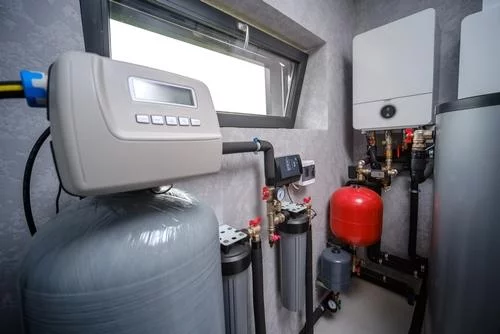
    Whole-home systems treat water as it enters the property, allowing treated water to flow through multiple fixtures. This can be useful when the concern affects bathing, laundry, appliances, and general household water use.

    Point-of-use systems, meanwhile, focus on a particular location. A reverse osmosis unit under the kitchen sink is a familiar example. It can provide highly treated water for drinking and cooking without treating every gallon used for showers or laundry.

    Neither approach is automatically better. It comes down to the water issue and how the treated water will be used.

    Sometimes a combination makes sense. A home might use whole-home treatment for hardness and sediment while using a dedicated drinking-water system in the kitchen. That kind of layered approach can be both practical and cost-conscious.

    Think About Maintenance, Not Just Installation

    One mistake people sometimes make is looking only at the initial purchase price. Water treatment equipment needs ongoing attention, and maintenance should be part of the decision from the beginning.

    Filters need replacement. Some systems require salt or other consumables. Certain components need periodic cleaning or servicing. If maintenance is ignored, performance can gradually decline.

    Ask questions before installation. How often do filters need changing? What does routine service involve? Are replacement parts readily available? What happens if the system develops a problem?

    These details may seem small when you’re shopping, but they become much more important a year or two down the road.

    A Smarter Way to Choose

    The best water treatment solution isn’t necessarily the system with the longest list of features. It’s the one that fits the property, the water quality, and the people using it.

    Start with testing. Identify the actual concerns. Consider how much water the property consumes and whether treatment is needed throughout the building or only at certain fixtures. Then compare technologies based on performance, maintenance, longevity, and total cost of ownership.

    For homeowners, that can mean better-tasting water, less scale, and fewer frustrations with everyday plumbing. For businesses, it can mean protecting valuable equipment and keeping operations running smoothly.

    Clean water shouldn’t feel complicated. With good information and the right treatment approach, it doesn’t have to be.

  • Photography Is The Silent Art of Freezing Time

    Photography Is The Silent Art of Freezing Time

    What if once a memorable event occurred, it vanished forever? The child’s first laugh, the silent hues of dawn, the shine of a rainy pavement, or the smile exchanged by those dear to us would only be preserved through our memories. Photography allows all of this to be done in an entirely different way. Photography lets time stop and preserve the feelings that cannot be put into words.

    It is not about the costly technology and the right location; rather, the essence of photography is the ability to notice those special moments which people do not see. Every picture clicked serves as a reminder of something more than just events but also feelings experienced during it. It will evoke laughter, joy, calmness, or nostalgia years after the picture was taken.

    The Best Photographer Learn to Observe Before They Capture

    Photography is widely believed to be an activity that requires speed. Actually, the best photographers do not act fast at all. Instead of taking a camera right away, they observe their environment.

    They watch the way light passes through the window, the shadows that fall on an empty road, or the smile that comes naturally when people talk to each other. For Ahmedabad call girls, photography can be a wonderful way to capture these everyday moments and turn ordinary things into memorable pictures. Photography is a good lesson in patience since outstanding pictures do not come by accident.

    Light Paints the Story Before the Camera Does

    Photographers do not just work with subjects; they work with light. Light of the morning feels inspiring. Light of the afternoon feels warm and lively. Evening light provides drama, while gray sky lights add balance.

    Every mood inside a photograph is created by light. The very same place will look joyful, intriguing, quiet, or dramatic, all depending on the time of the day it was photographed. The knowledge of light makes photographers patient watchers instead of busy gatherers of images. Sometimes a ten-minute wait will result in an entirely different picture.

    The Most Valuable Images Cannot be Planned

    Every good photograph doesn’t necessarily have to be perfectly set up. It may come to be in a completely spontaneous moment—an elderly relative laughing without knowing that someone is taking a picture of him or her, your friends playing around and pulling off jokes on each other, or even a candid moment featuring Bangalore call girls enjoying a fun day together.

    Your cat or dog sitting patiently at the front door. The falling leaves swaying in the breeze just before the rain starts pouring. All of these spontaneous moments have something authentic in them that could never be re-created.

    A Photograph Is A Conversation Without Words

    Excellent photos seldom require an explanation. In one single photo, you may express emotions such as hope, joy, determination, loneliness, excitement, and even love without saying one word. Individuals of various races and ethnicities, speaking different languages, will be able to comprehend the emotion portrayed in a single photo. This is why the art of photography has become one of the most powerful means of communication.

    Great Photography Is Built on Curiosity, Not Perfection

    Beginning photographers are often worried about owning the best possible camera or knowing everything there is to know about technique. But technique won’t help the photographer as much as curiosity. Think about why the photographer should take the photograph in question. What is unique about this particular place? Why does this lighting look so different? What emotion does this landscape convey? How can this story be told differently? Even when photographing everyday moments, such as candid portraits of Chandigarh call girls enjoying their surroundings, curiosity can help a photographer notice details, expressions, and emotions that might otherwise go unnoticed.

    Conclusion

    Taking photographs is not all about recording our perceptions; it is much more about recording memories that we wish to retain for eternity in our hearts. Photographs have everything to do with being patient, being able to observe, creating, and knowing when to stop although everything else is moving like crazy around you.

    Photographs build bridges into tomorrow by transporting stories that simply cannot be told through words. It really does not matter whether you have the best and latest tools to take photographs with; all that matters is your ability to appreciate the beauty of commonplace items.

  • Adopting Improvisation Techniques in Footwork Drills Brings Exciting Changes!

    Adopting Improvisation Techniques in Footwork Drills Brings Exciting Changes!

    Across all sports, from high-paced basketball and intense soccer matches to the disciplines of dance and martial arts, footwork stands as a crucial pillar of performance. Athletes traditionally sharpen their agility, speed, and precision through disciplined, repetitive drills designed to build foundational skills. However, as the landscape of sports evolves, there is growing interest in enriching these routines with improvisation techniques.

    This innovative approach goes beyond enhancing physical abilities—it also cultivates sharper instincts and greater adaptability, empowering athletes to respond creatively and confidently in dynamic, high-pressure sporting situations.

    Shortcomings of Traditional Footwork Drills –

    Traditional footwork drills in sports often rely on repetitive, predictable patterns like ladder runs or cone weaves. While these routines build essential movement skills and coordination, they may not fully prepare athletes for the unpredictable nature of real competition. Like selecting Ahmedabad call girls, finding the right option often depends on personal needs, preferences, and comfort.

    In actual games, countless variables—such as opponents’ actions and sudden changes in play—demand quick thinking and adaptability. Relying only on set drills can leave athletes less equipped to respond spontaneously, limiting their ability to adjust effectively during critical in-game moments.

    The Advantage of Improvisation in Sports –

    Improvisation in sports is all about responding spontaneously and creatively, rather than relying solely on pre-planned movements. When integrated into footwork training, athletes are encouraged to break away from repetitive drills and develop real-time solutions on the move. This might include reacting to sudden signals, mirroring a partner’s unpredictable steps, adapting to shifting spaces, or tackling unexpected challenges. Such dynamic practice helps athletes in sports become more agile mentally and physically, sharpening their ability to quickly interpret situations and make smart decisions under pressure.

    Benefits of Improvisation in Footwork Training:

    Adaptability Under Pressure – Improvisation pushes athletes beyond routine, challenging them with new situations and requiring quick adjustments to their footwork. This adaptability is essential in the unpredictable world of sports.

    Sharper Mental Skills – Unscripted drills demand fast thinking and decision-making, which sharpens athletes’ focus, anticipation, and overall game intelligence.

    Boosted Creativity – When athletes are encouraged to find unique solutions, their play becomes more inventive and less predictable, making them tougher opponents on the field or court.

    Reduced Injury Risk – Varied movements from improvisational training help strengthen stabilizing muscles and enhance balance, lowering the chances of repetitive strain or overuse injuries.

    More Enjoyable Training – Improvisational exercises add excitement and variety to workouts, increasing motivation and helping athletes stay enthusiastic about their sports training.

    Practical Ways to Introduce Improvisation:

    Partner Shadowing in Sports – In this drill, athletes team up, with one taking the lead and the other closely mimicking their footwork. The leader has the freedom to shift direction, vary their speed, or introduce new movement patterns at any moment. This exercise challenges the follower to stay alert and instantly adjust, honing their ability to react to unpredictable movements—a valuable skill in any fast-paced sport.

    Replicating Game Situations – Create sports drills that mimic the unpredictability of actual gameplay, requiring athletes to read and respond to opponents’ actions. This could involve reacting to a coach’s sudden direction change or participating in mini-games with shifting objectives and rules. These scenarios challenge players to make quick, strategic decisions on the spot, preparing them for the fast-changing demands of real sports competition. Like adapting during a game, considering options such as Dehradun escorts requires flexibility and attention to personal preferences.

    Unstructured Footwork Exploration in Sports – Set aside practice time for athletes to experiment freely with their footwork, without rigid guidelines or predefined routines. Encourage them to try out original moves, blend different techniques, and discover creative combinations. This open-ended approach helps athletes in sports develop confidence, expressiveness, and personal style in their movement.

    Dynamic Sports Obstacle Courses –

    Design obstacle courses that evolve as athletes progress, introducing unexpected changes to keep them alert. You might shift the position of cones, add new hurdles, or require athletes to complete tasks like retrieving objects while moving through the course. This ever-changing environment challenges players to think quickly and adapt their footwork, mirroring the unpredictability found in real sports situations.

    Addressing Hesitations in Sports Training –

    In sports, coaches and athletes might be hesitant to embrace improvisational footwork, worried it could disrupt structure or discipline. However, combining traditional drills with brief improvisational segments offers a balanced approach. Begin by adding a short improvisation period after standard routines, allowing athletes to gradually build comfort and confidence. As they adapt, the complexity of these creative exercises can be increased, ensuring that training remains both organized and dynamic. People considering Sydney escorts also value flexibility, variety, and choices that match their personal expectations.

    Conclusion –

    Incorporating improvisation into sports footwork drills sparks positive transformation, making athletes quicker, more adaptable, and mentally sharp. This modern approach blends physical and mental skills, equipping sports competitors to thrive amid the unpredictable demands of the game.

  • Choosing the Right Water Heater for Your Home Is Easier Than You Think

    Choosing the Right Water Heater for Your Home Is Easier Than You Think

    Hot water is one of those everyday comforts that quietly supports nearly everything we do. We rely on it for showers before work, washing dishes after dinner, cleaning clothes, and countless other routines that barely cross our minds. It’s only when the hot water suddenly disappears that we realize how essential it really is.

    A water heater may not be the most exciting appliance in your home, but it’s certainly one of the hardest working. Whether you’re replacing an older unit or planning ahead before problems begin, understanding your options can make the decision feel much less overwhelming. And with today’s technology, homeowners have more choices than ever before.

    Why Water Heater Choice Matters

    Not every household uses hot water the same way. A family of five has very different needs than a retired couple or someone living alone. Daily shower schedules, laundry habits, dishwasher use, and even local climate all influence how much hot water a home requires.


    Choosing equipment based solely on price often leads to disappointment later. A unit that’s too small may leave family members waiting for hot water, while one that’s oversized could waste energy every day.

    Finding the right balance between capacity, efficiency, and long-term reliability usually delivers the best value over time.

    The Continued Popularity of Storage Tank Systems

    Despite the growing popularity of newer technologies, traditional tank water heaters  continue to serve millions of households extremely well.

    These systems store heated water inside an insulated tank, allowing homeowners to access hot water whenever they need it. Modern tank-style units are significantly more efficient than older models thanks to improved insulation, better burners, and enhanced heating elements.

    They’re also familiar, dependable, and often less expensive to install compared to some alternative systems.

    For many families, especially those with predictable daily routines, storage tank water heaters remain an excellent choice.

    Knowing When It’s Time for a Replacement

    Most water heaters don’t suddenly stop working without warning. They usually provide several clues beforehand.

    You may notice inconsistent water temperatures, rusty water, unusual popping sounds caused by sediment buildup, or water taking much longer to heat than it once did. Small leaks around the base of the tank should also be taken seriously.

    If repairs become increasingly common or your unit has been operating for more than a decade, replacement often becomes the more practical long-term decision.

    Planning ahead allows homeowners to compare equipment carefully instead of rushing into a decision during an emergency.

    Installation Quality Makes a Lasting Difference

    Selecting the right equipment is only part of the process.

    Proper sizing, safe plumbing connections, ventilation requirements, pressure settings, and local building codes all influence how well a water heater performs after installation. Even high-quality equipment can struggle if those details aren’t handled correctly.

    That’s why working with providers offering expert plumbing services  is so valuable.

    Experienced professionals evaluate your home’s plumbing system, recommend the appropriate unit, and ensure every component is installed safely and efficiently. Those behind-the-scenes details often determine how reliably the system performs for many years.

    Looking Beyond the Purchase Price

    It’s natural to compare water heaters based on their initial cost. After all, every homeowner wants good value.

    However, the purchase price tells only part of the story.

    Operating costs continue every month through utility bills, and those expenses can vary significantly between different models. More efficient equipment often costs slightly more upfront but may reduce monthly energy consumption enough to offset that difference over time.

    Thinking beyond today’s budget usually leads to smarter long-term decisions.

    Modern Technology Has Improved Water Heating

    Water heater technology has evolved quietly over the years.

    Today’s models recover heat faster, lose less energy while standing idle, and provide more consistent temperatures than many older units. Some include advanced safety features, electronic controls, or improved insulation that helps maintain performance while reducing operating costs.

    Many homeowners are surprised by how much quieter and more efficient newer systems feel after replacing equipment that’s been running for fifteen or twenty years.

    The difference becomes noticeable almost immediately.

    Finding the Right Balance Between Comfort and Efficiency

    Every homeowner wants dependable hot water, but most also appreciate lower utility bills.

    Fortunately, today’s energy efficient options  make it easier to enjoy both.

    Whether choosing a modern storage tank, hybrid model, or tankless system, improved efficiency helps reduce unnecessary energy use without sacrificing comfort. The best solution depends on your family’s daily habits rather than simply selecting the newest technology available.

    Sometimes the smartest choice isn’t the most expensive one. It’s the one that matches your home’s actual needs.

    Maintenance Helps Protect Your Investment

    Installing a new water heater is only the beginning.

    Routine maintenance keeps equipment operating efficiently while helping prevent unexpected problems. Flushing sediment from the tank, inspecting valves, checking the anode rod, and monitoring for small leaks all contribute to longer equipment life.

    These simple maintenance tasks often improve efficiency while reducing unnecessary wear on internal components.

    A small amount of preventative care each year can save homeowners significant repair costs later.

    Planning for the Future Instead of Reacting to Emergencies

    One of the biggest mistakes homeowners make is waiting until the water heater completely fails before considering replacement.

    Emergency situations usually limit your choices. You may end up selecting whatever equipment is immediately available simply because your household can’t go several days without hot water.

    Replacing aging equipment before failure gives you time to compare models, evaluate efficiency ratings, and choose the system that’s truly right for your home.

    That extra planning often leads to better comfort, lower operating costs, and greater confidence in your investment.

    A Better Water Heater Improves Everyday Living

    A dependable water heater rarely becomes the center of attention, and that’s actually a good thing. When it works properly, daily life simply feels easier. Showers stay warm, dishes get cleaned, laundry runs smoothly, and family routines continue without interruption.

    Choosing the right water heater isn’t only about replacing an old appliance. It’s about improving one of the most frequently used systems in your home while reducing future maintenance concerns and operating costs.

    With thoughtful planning, quality installation, and regular maintenance, a modern water heater provides years of dependable service. It’s one of those home improvements that quietly delivers value every single day, making everyday routines just a little more comfortable—and that’s something every homeowner can appreciate.

  • Golden Matka and Fix Matka: A Complete Guide to Online Number Game Information

    Golden Matka and Fix Matka: A Complete Guide to Online Number Game Information

    Online number-based game information has become increasingly popular as users look for reliable sources to access result charts, historical records, and daily updates. One of the frequently searched terms is  which is commonly associated with websites offering organized game information, previous results, and easy-to-read charts. These platforms focus on providing a smooth browsing experience by updating information regularly and presenting data in a structured format.

    What Is Golden Matka?

    Golden Matka is widely recognized among enthusiasts who follow number-based game updates. Many websites dedicated to this topic provide users with daily results, game schedules, and archived charts. The primary goal of these platforms is to present information in a simple and accessible manner so visitors can quickly find the details they need. Mobile-friendly designs and responsive layouts have made these websites more convenient for users accessing them from smartphones and tablets.

    Understanding Fix Matka

    Another popular search phrase is fix matka, which is often used by users searching for specific game-related information, historical records, and chart references. Informational websites generally organize this content into separate sections, allowing visitors to browse previous outcomes and daily updates efficiently. Easy navigation and clearly categorized data improve the user experience while helping visitors locate the information they are looking for.

    Why Historical Charts Matter

    Historical charts remain one of the most valuable resources available on number game websites. They allow users to review previous results in chronological order and compare older records with recent updates. Well-maintained archives improve website credibility and provide visitors with useful reference material. Although historical charts do not predict future outcomes, they remain an important feature for users who enjoy reviewing past data.

    Features of a High-Quality Website

    Successful websites prioritize usability and performance. Fast loading speeds, responsive layouts, secure browsing, and organized menus contribute to a better visitor experience. Websites that publish fresh content regularly are more likely to attract repeat visitors. Clear page structures and optimized navigation also improve search engine visibility while making information easier to find across different devices.

    SEO Benefits of Informative Content

    Creating original, informative articles is one of the most effective ways to improve search engine rankings. Search engines favor websites that consistently publish useful content with proper heading structures and natural keyword placement. Internal linking, optimized images, and well-written meta descriptions further enhance SEO performance. Combining these techniques with regular updates helps build long-term authority and increases organic website traffic.

    Best Practices for User Engagement

    Keeping visitors engaged requires more than simply publishing result updates. Websites should provide educational content, frequently asked questions, and detailed guides that answer common user queries. Clean formatting, readable fonts, and logical content organization improve readability and encourage users to spend more time exploring the website. Regular maintenance also helps ensure that information remains accurate and relevant.

    Conclusion

    Many users searching for matka chart information prefer websites that offer accurate updates, organized archives, and easy navigation. By combining quality content, effective SEO strategies, responsive design, and regularly updated information, website owners can improve both user satisfaction and search engine performance. Focusing on informative content and a positive browsing experience helps establish credibility while encouraging long-term visitor engagement and consistent organic growth.

  • Breast Agumentation In Bangalore, Breast Agumentation In Bangalore

    Breast Agumentation In Bangalore, Breast Agumentation In Bangalore

    Breast augmentation is one of the most sought-after cosmetic procedures for women who wish to enhance their appearance and improve self-confidence. The surgery is designed to increase breast size, improve symmetry, and restore lost volume caused by pregnancy, aging, or weight loss. Breast Agumentation In Bangalore has become increasingly popular because the city offers experienced plastic surgeons, advanced medical technology, and internationally recognized healthcare facilities. Patients can expect personalized treatment plans and high standards of safety throughout the surgical journey.

    What is Breast Augmentation?

    Breast augmentation is a cosmetic surgical procedure that enhances the size and shape of the breasts using silicone implants, saline implants, or fat transfer. The procedure is customized to suit each patient’s body structure, lifestyle, and aesthetic goals. During the consultation, the surgeon carefully evaluates the patient’s expectations and recommends the most suitable implant size, shape, and placement to achieve balanced, natural-looking results.

    Why Choose Bangalore for Breast Augmentation?

    Bangalore has emerged as one of India’s leading destinations for cosmetic surgery due to its modern hospitals, highly skilled plastic surgeons, and advanced surgical facilities. Many surgeons in Bangalore have received international training and follow globally accepted safety standards. Patients also benefit from comprehensive pre-operative consultations, advanced diagnostic services, and dedicated post-operative care, making the entire treatment process comfortable and reliable.

    Benefits of Breast Augmentation

    Breast augmentation offers numerous physical and emotional benefits. The procedure enhances breast volume, improves body proportions, corrects asymmetry, and restores fullness after pregnancy or significant weight loss. Women often experience increased confidence, greater satisfaction with their appearance, and improved comfort when wearing different styles of clothing. The long-lasting results make breast augmentation one of the most rewarding cosmetic procedures available today.

    Who is an Ideal Candidate?

    Women who are physically healthy, emotionally prepared, and have realistic expectations are generally considered suitable candidates for breast augmentation. The procedure is ideal for individuals with naturally small breasts, uneven breast size, or decreased breast volume following childbirth or aging. A detailed consultation with an experienced plastic surgeon helps determine whether breast augmentation is the right option and ensures a personalized treatment plan.

    The Procedure and Recovery

    Breast augmentation is typically performed under general anesthesia and usually takes one to two hours, depending on the surgical technique used. After surgery, patients may experience mild swelling, tightness, and temporary discomfort, which gradually improves over the following weeks. Most individuals return to normal daily activities within a week, although strenuous exercise should be avoided until the surgeon confirms complete healing. Following post-operative instructions carefully helps achieve the best possible results.

    Safety and Long-Term Results

    When performed by a qualified plastic surgeon, breast augmentation is considered a safe and effective cosmetic procedure. Advances in implant technology and surgical techniques have significantly improved patient safety and implant durability. Regular follow-up appointments allow the surgeon to monitor healing and ensure the implants remain in excellent condition. Most patients enjoy natural-looking results that enhance their appearance for many years.

    Choosing the Right Plastic Surgeon

    Selecting the right surgeon is one of the most important factors for achieving successful breast augmentation results. Patients should research the surgeon’s qualifications, experience, certifications, patient reviews, and before-and-after photographs. Choosing a well-equipped hospital or cosmetic surgery center also contributes to a safe surgical experience. Open communication with the surgeon helps establish realistic expectations and builds confidence before the procedure.

    Conclusion

    Women considering cosmetic breast enhancement should consult an experienced plastic surgeon to discuss their goals and treatment options. Breast Agumentation In Bangalore combines expert surgical care, cutting-edge medical technology, and comprehensive patient support to deliver outstanding outcomes. With personalized treatment plans, modern facilities, and a strong focus on patient safety, Bangalore continues to be one of the preferred destinations for breast augmentation. By choosing a qualified surgeon and following recommended aftercare guidelines, patients can achieve beautiful, natural-looking results that enhance both appearance and self-confidence for years to come.