Category: Home Improvement

  • Uncovering Hidden Threats: Lead, Bacteria, and PFAS in Water – What You Need to Know

    Uncovering Hidden Threats: Lead, Bacteria, and PFAS in Water – What You Need to Know

    We all rely on clean, safe water, but what if the water coming from your tap isn’t as pure as it seems? From the safety of drinking water to the quality of water used for daily chores, we trust that it’s free from harmful contaminants. Yet, in many places, lead in water, bacteria in water, and PFAS in water can pose serious health risks. These invisible dangers might be lurking in your supply without you even knowing it.

    If you’ve ever thought twice about that glass of water, or wondered whether your water could be cleaner, you’re not alone. In this article, we’ll dive into why these contaminants are a serious concern, how they affect your health, and what you can do to protect yourself and your family.

    The Hidden Dangers of Lead in Water

    Lead in drinking water is a problem that has been in the spotlight for years, especially after the Flint, Michigan crisis brought national attention to the issue. But while Flint made headlines, lead in water is a problem that continues to affect homes across the U.S.

    Lead in water typically comes from old plumbing systems, particularly those with lead pipes or lead solder. If you live in an older home, the chances of having lead in your drinking water are higher, as many older cities and towns still have aging infrastructure. The problem is, lead doesn’t just stay in the pipes—it can leach into the water, contaminating it over time.

    But why should we be concerned about lead in water? Even at low levels, lead can cause serious health problems, especially in children. It can affect brain development, leading to learning disabilities, behavior issues, and even developmental delays. In adults, long-term exposure to lead can cause high blood pressure, kidney damage, and other health complications.

    The worst part is that lead has no taste or smell, so it can go unnoticed until it’s too late. If you’re living in an older home or suspect your water may have been contaminated by lead, it’s essential to get your water tested and take action to reduce the risks.

    Bacteria in Water: A Risk You Can’t Ignore

    Next on our list of water threats is bacteria in water. While municipal water treatment plants do their best to kill harmful bacteria with chlorine or other disinfectants, these systems aren’t foolproof. Bacteria can still sneak into the water supply, especially after extreme weather events like heavy rains or flooding, which can overwhelm treatment facilities.

    Common bacterial culprits include E. coli, Salmonella, and Campylobacter, which can cause a range of illnesses such as stomach cramps, vomiting, diarrhea, and fever. The presence of bacteria in water can lead to serious waterborne diseases, making it vital to ensure your water is bacteria-free.

    Even more concerning is the fact that some homes rely on well water, which is not always disinfected by a treatment plant. If you rely on a private well, the responsibility for water quality falls on you. Wells can be contaminated by nearby septic systems, animal waste, or even flooding, which means regular water testing is crucial to ensure your water stays safe.

    Testing for bacteria is straightforward, and many local health departments offer testing kits or services. If you find bacteria in your water, treatment options like UV disinfection systems, chlorination, or advanced filtration systems can effectively remove harmful microorganisms, restoring the safety of your water supply.

    PFAS in Water: The Forever Chemicals

    If you’ve been following news about environmental contamination, you’ve probably heard about PFAS in water. PFAS, or per- and polyfluoroalkyl substances, are a group of human-made chemicals that have been widely used in products like non-stick cookware, water-repellent clothing, firefighting foam, and food packaging.

    PFAS are incredibly persistent in the environment, earning them the nickname “forever chemicals.” These substances don’t break down over time and can accumulate in the water, soil, and even the human body. Unfortunately, drinking water is one of the primary ways people are exposed to PFAS, particularly if they live near industrial areas or military bases where these chemicals were used in firefighting foam.

    The health risks associated with PFAS are alarming. Studies have linked PFAS exposure to various health problems, including immune system suppression, liver damage, and an increased risk of cancer. The worst part is that PFAS contamination is widespread, affecting millions of people across the country. In fact, the U.S. Environmental Protection Agency (EPA) has set guidelines to help limit exposure, but the problem persists.

    To reduce the risk of PFAS exposure, water purification systems such as activated carbon filters or reverse osmosis units can be effective at removing these chemicals. If you’re concerned about PFAS in your water, getting your water tested is the first step in determining the extent of contamination and finding the right treatment solutions.

    How to Protect Yourself and Your Family

    Now that we’ve covered the dangers of lead in water, bacteria in water, and PFAS in water, it’s time to talk about solutions. Fortunately, there are steps you can take to ensure the safety of your water, no matter what contaminants are present.

    1. Get Your Water Tested
      The first step in tackling any water issue is testing. If you’re on well water, regular testing is even more important, as you have more control over your water source. For those on municipal water, while treatment plants do their best to meet safety standards, it’s still a good idea to have your water tested, especially if you suspect contamination.
    2. Install Water Filtration Systems
      Depending on the contaminants found in your water, a water filtration system may be necessary. For lead in water, a reverse osmosis system or a lead-specific filter can effectively remove harmful metals. For bacteria in water, UV purifiers or chlorination can kill harmful microorganisms. If you’re dealing with PFAS in water, activated carbon filters or reverse osmosis systems are among the most effective treatments available.
    3. Consider Professional Water Treatment Services
      If you’re unsure about which system to choose or how to properly maintain it, working with a professional clean water company or water treatment expert can make a world of difference. These professionals can test your water, recommend appropriate filtration systems, and even handle the installation and maintenance for you.
    4. Maintain Your Water System
      Once you have a filtration system in place, regular maintenance is essential to keep it working effectively. Replace filters as recommended, and perform any necessary system checks to ensure everything is running smoothly.

    Conclusion: Stay Proactive About Water Safety

    Water is something we can’t live without, and ensuring that it’s free of lead in water, bacteria in water, and PFAS in water is crucial for maintaining health and well-being. The good news is that with the right testing, water purification, and proper filtration systems, you can protect your family and your home from these hidden water threats.

    Don’t wait until there’s a problem—take the first step toward safer, cleaner water today. By staying proactive and investing in the right solutions, you can rest easy knowing that the water you drink, cook with, and bathe in is safe and pure. After all, your health and peace of mind are worth it.


  • Why 5 Gallon Water Delivery Is the Convenient Hydration Solution You’ve Been Searching For

    Why 5 Gallon Water Delivery Is the Convenient Hydration Solution You’ve Been Searching For

    We all know that water is essential for our well-being, but in today’s fast-paced world, finding the time to grab a bottle from the store can be a challenge. Whether you’re a busy professional, a parent juggling daily tasks, or a business owner looking to keep employees hydrated, staying on top of your water supply can sometimes feel like one more thing to add to your already overflowing to-do list. This is where 5 gallon water delivery and water delivery 5 gallon jugs come in, offering a solution that not only saves you time but ensures you always have fresh, clean water on hand.

    Let’s explore why water delivery services, especially those offering 5 gallon water jugs, have become such a popular choice for homes and businesses alike, and how they can make your life a little bit easier, a little more sustainable, and a lot more hydrated.

    The Benefits of 5 Gallon Water Delivery

    If you’ve never used a 5 gallon water delivery service, you might be wondering what the appeal is. Sure, you can grab a few bottles from the store, but there are some significant advantages to having a large quantity of water delivered right to your doorstep.

    1. Convenience at Its Best
      We all lead busy lives, and when you’re juggling work, family, and everything in between, the last thing you want to do is run errands. Having water delivery 5 gallon jugs sent straight to your door means you don’t have to think twice about where your next water supply is coming from. With a scheduled delivery service, you’ll have the peace of mind knowing that fresh, clean water will always be on hand. It’s as simple as placing an order, picking your delivery schedule, and waiting for the water to arrive. No more loading heavy bottles into your car or fighting for a parking spot at the store.
    2. Cost-Effective for Families and Offices
      Think about it: how many times do you find yourself heading to the store to buy a pack of bottled water only to realize you’ve run out again just a few days later? With 5 gallon water delivery, you’re getting a more economical option. These larger jugs provide more water per unit, meaning you’ll spend less over time than buying individual bottles. Plus, most delivery services offer bulk pricing or discounts for repeat customers, making it a great option for both families and offices looking to stay hydrated without breaking the bank.
    3. Sustainability and Eco-Friendliness
      In a world that’s becoming more conscious of environmental impact, 5 gallon water delivery is a more sustainable option than continually purchasing plastic bottles. Instead of buying single-use plastic bottles that eventually end up in landfills or the ocean, water delivery services typically offer refillable glass or plastic jugs. This reduces waste and encourages a more sustainable approach to water consumption. By opting for water delivery 5 gallon jugs, you’re making an environmentally responsible choice that’s better for both you and the planet.
    4. Fresh, High-Quality Water
      Not all water is created equal. Sure, you can drink tap water, but it doesn’t always taste the best, and it’s often treated with chemicals like chlorine or fluoride. With 5 gallon water delivery, you’re getting access to premium water—often spring or purified water—that’s free from those added chemicals. If you’re particular about the taste of your water, you’ll appreciate the refreshing and clean taste that comes with having your water delivered in bulk. Plus, many delivery services offer a variety of options, including alkaline and sparkling waters, so you can choose what works best for your taste and health needs.

    Why Choose 5 Gallon Water Jugs for Your Home or Office?

    The decision to use water delivery 5 gallon jugs isn’t just about convenience—it’s also about health, quality, and even sustainability. Whether you’re stocking up for your home or your office, there are several reasons why this is a great option:

    1. Long-Lasting Supply
      With 5 gallon water delivery, you’re getting a long-lasting supply of water in one delivery. For homes, this can mean a week or more of water for the family without having to worry about replenishing it constantly. For businesses, this is especially important. Offices can have water on hand for employees without worrying about running out or constantly buying more. Having a regular delivery schedule ensures that your water supply remains steady and reliable, so you never have to scramble for a quick fix.
    2. Perfect for Active Lifestyles
      If you or your family members are active—whether it’s working out, hiking, or spending a lot of time outdoors—having a large supply of water is essential. 5 gallon water delivery is a great solution for those who need to stay hydrated throughout the day without running to the store for more water. Plus, if you’re hosting events, gatherings, or meetings, a few 5 gallon water jugs can go a long way in keeping everyone refreshed and hydrated.
    3. Streamlined Water Delivery Options
      When you choose a water delivery 5 gallon jugs service, you’re also choosing flexibility. Many services offer custom delivery schedules, meaning you can choose exactly how often you need the water. Whether you need water once a week, every two weeks, or even once a month, the service can be tailored to fit your consumption and needs. You can also adjust your order if you find that you need more or less water as your lifestyle or consumption patterns change.

    How to Choose the Right Water Delivery Service

    With so many water delivery services available, it can be difficult to know which one to choose. Here are some things to keep in mind when selecting the right service for 5 gallon water delivery:

    • Quality of Water: Make sure the service provides high-quality water. Whether it’s purified, spring, or filtered water, ensure that the water is sourced and treated properly. Some services even offer testing results, so you can verify the quality of the water you’re receiving.
    • Flexibility and Convenience: Look for a service that offers flexible scheduling options and reliable deliveries. Ideally, the service should be able to accommodate your needs and adjust the delivery schedule to fit your lifestyle. You don’t want to be stuck with a delivery service that can’t work around your schedule.
    • Eco-Friendly Practices: Many people today are concerned with reducing plastic waste and opting for sustainable choices. Check if the water delivery service offers refillable jugs or glass bottles, and ask about their recycling program.
    • Pricing and Customer Service: Finally, consider the pricing structure and the quality of customer service. Compare prices between companies, and make sure to read reviews to gauge the reliability of their service. Good customer service ensures that any issues or concerns you have will be addressed promptly and professionally.

    Conclusion: Stay Hydrated with 5 Gallon Water Delivery

    In today’s world, having fresh, clean water available at your fingertips is more than just a luxury—it’s a necessity. 5 gallon water delivery provides a convenient, cost-effective, and sustainable way to keep your home or office fully stocked with water, ensuring that you and your family or employees stay hydrated throughout the day. With the added benefits of eco-friendliness and high-quality water, it’s an option that makes both your life and the planet a little bit better.

    So, whether you’re looking for a reliable source of hydration for your home, office, or business, consider opting for water delivery 5 gallon jugs. It’s an investment in convenience, health, and sustainability that pays off with every refreshing sip. Stay hydrated, save time, and reduce your carbon footprint—what could be easier?

  • 5 Tips for Installing a New Roof

    5 Tips for Installing a New Roof

    Installing a new roof is a big job, but it is also a smart investment. A good roof protects your home from rain, heat, wind, and other damage. It also makes your house look nicer and can even help save energy.

    However, many homeowners do not know what to expect when it’s time for a roof replacement. In this article, you will learn five helpful tips that will make your roof installation easier and safer. 

    Choose the Right Roofing Materials

    Before anything else, you need to pick the right material for your new roof. There are many types, such as asphalt shingles, metal roofing, tiles, and wood shakes. Each material has its pros and cons.

    For example, asphalt shingles are affordable and easy to install, while metal roofing lasts longer but costs more. The climate in your area also plays a big role in your choice. Ask your roofing contractor about the best option for your home and budget. 

    Hire a Professional Roofing Contractor

    One of the most important parts of roof installation is choosing the right roofing contractor. A licensed and experienced contractor knows how to do the job safely and properly. They follow building codes and understand how to prevent future problems like leaks or poor drainage.

    Make sure you ask for proof of insurance and past work before you agree to anything. Read online reviews and get a few quotes to compare prices. 

    Prepare Your Home Before Work Begins

    Roof installation can be noisy and messy, so it’s important to prepare your home. Clear your driveway and yard so workers have space for tools and materials. Remove anything fragile from the attic or walls since vibrations from hammering can cause damage.

    Let your neighbors know about the project so they are not surprised by the noise. You should also make plans for pets or children to stay in a quiet part of the house during work. These small steps can make the process less stressful for everyone. 

    Check for Roof Deck Damage

    Before the new roof goes on, your contractor should check the roof deck underneath. The deck is a wooden base that holds the roofing materials. If it has any rot, mold, or soft spots, it must be fixed first.

    Installing a new roof on top of a weak deck can lead to serious problems later. It’s better to spend a little extra now repairing the deck than to face costly repairs after the roof is finished. 

    Focus on Good Ventilation and Drainage

    A roof does more than keep water out. It also helps control airflow and moisture in your attic. Make sure your new roof includes proper ventilation systems like ridge vents or soffit vents. This helps reduce heat buildup and prevent mold. Good drainage is also important.

    Your roof should have clean gutters and downspouts to direct water away from your home. Talk to your contractor about including these features in the plan. 

    Conclusion

    A new roof is a big project, but with the right steps, you can make sure it is done right the first time. Choose good materials, work with a trusted roofing contractor, and get your home ready before the work begins.

    Don’t forget to fix any damage to the roof deck and ask about ventilation and drainage. These five tips can help you avoid problems and enjoy a safe, strong roof for many years.

  • Windows with Character: Why Wrought Iron is Making a Stylish Comeback

    Windows with Character: Why Wrought Iron is Making a Stylish Comeback

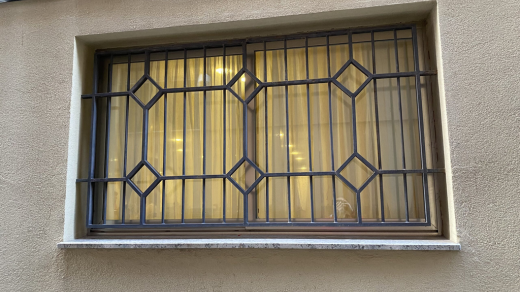
    There’s something unforgettable about a space that’s thoughtfully designed down to the windows. You feel it the moment you walk in—light pours through like a spotlight, framing the world outside while adding an unexpected layer of charm inside. And when that window frame is wrought iron? Well, it’s not just a window anymore. It’s a design statement.

    For a long time, wrought iron windows were seen as the luxury of grand estates, Mediterranean villas, or downtown lofts with an industrial twist. But times have changed. Homeowners today are rediscovering the power of iron—its strength, style, and surprising affordability. Whether you’re renovating a historic home, designing a new build, or just dreaming up your next big upgrade, iron-framed windows are more accessible (and more practical) than ever.

    So let’s open things up—literally and figuratively—and talk about why iron windows might just be the refresh your home needs.


    A Material That’s Both Beautiful and Built to Last

    Iron is one of those rare materials that balances form and function. It’s sturdy—strong enough to support large panes of glass without bulky frames. And yet, it manages to feel graceful, delicate even, thanks to the way it can be shaped and styled.

    With iron, you’re not confined to boxy grids. You can go arched, curved, or completely minimalist. The flexibility in design allows it to fit everything from rustic farmhouses to modernist townhomes. Iron isn’t just versatile—it’s quietly bold, like a tailored black suit that works in every setting.

    And the longevity? Iron doesn’t warp like wood or crack like vinyl. With a good powder coating, it resists rust and weathers the elements year after year. It’s the kind of upgrade you make once, and enjoy for decades.


    Yes, You Can Afford Iron Windows

    Let’s tackle the elephant in the room: cost. There’s a common belief that iron-framed anything is out of budget for the average homeowner. And sure, if you’re going for fully customized, hand-forged architectural masterpieces, the price can climb.

    But today, there are plenty of iron windows for sale that don’t break the bank. Thanks to improved production processes and more widespread demand, manufacturers are offering ready-to-install iron windows in standard sizes and configurations. That means better pricing, faster shipping, and less hassle overall.

    And when you stack them up against the long-term value? It’s actually a smart investment. Think fewer repairs, less maintenance, better resale appeal. Not to mention the visual impact—your curb appeal just leveled up.

    You’ll find a surprising number of affordable iron windows online these days. From sleek grid-style options to ornamental designs with custom glasswork, there’s something for nearly every aesthetic—and every budget.


    Style for Days

    One of the most compelling things about iron windows is how many directions you can take them. There’s the classic black frame look—clean, modern, and great for creating contrast with bright interiors or white exteriors. Or maybe you want something warmer, like bronze or rust-toned finishes that bring a vintage, European flavor.

    Looking for something a little extra? Go with intricate scrollwork for that romantic, old-world vibe. Or opt for ultra-narrow frames that maximize glass and light—perfect for contemporary homes or urban renovations.

    And don’t forget about shape. Iron allows for stunning arched windows, circle cutouts, or floor-to-ceiling wall installations. It plays well with nearly every material too—wood, concrete, stucco, brick. It’s a team player.


    Let’s Talk Interiors Too

    Who says iron windows have to be on the outside? One of the coolest trends happening right now is bringing wrought iron indoors—turning it into partitions, shower enclosures, cabinet fronts, even interior doors.

    Imagine a black-framed glass divider between your home office and living room. It gives you privacy without cutting off natural light. Or maybe a full-length iron window that separates your entryway from the dining room. It’s bold, functional, and seriously unique.

    Interior iron accents offer a great way to unify a design theme throughout the home. They tie in beautifully with stair railings, hardware, and lighting fixtures. And they don’t demand to be noticed—they simply are.


    A Few Practical Pointers Before You Buy

    Ready to go all-in on iron? Here’s what to keep in mind:

    • Measure precisely: Iron windows aren’t forgiving like flexible vinyl or wood trim. A tight fit is essential.
    • Ask about finishes: Powder-coated options are best for rust resistance and low maintenance.
    • Glass matters: Consider double glazing or low-E glass for better insulation and energy savings.
    • Professional install? Probably. Iron is heavy. Unless you’re a confident DIYer, hire someone who knows what they’re doing.

    And don’t forget—if you’re ordering online (which is often the best way to find deals and variety), double-check return policies and lead times. Custom pieces take longer, but the results? Worth it.


    Final Thoughts: Windows That Make You Pause

    There’s something poetic about windows. They’re the lens through which we see the world, but they’re also part of the story our home tells others. When framed in iron, they carry more than light—they carry meaning, personality, and permanence.

    So whether you’re browsing wrought iron windows, iron windows for sale, affordable iron windows—or just dreaming about the next big update—know this: you’re not just buying a frame. You’re framing your life.

  • The Unsung Power Behind Every Business: Why Commercial Electricians Matter More Than You Think

    The Unsung Power Behind Every Business: Why Commercial Electricians Matter More Than You Think

    Walk into a well-lit office, a buzzing café, or a fully operational warehouse, and there’s something most people won’t notice—but they should. It’s not the floors, or the paint, or the signage. It’s the power. Electricity is the lifeblood of every modern business, from the smallest corner shop to the largest manufacturing plant. And keeping that electricity flowing safely and reliably? That’s where commercial electricians quietly save the day, every single day.


    Not All Electricians Wear the Same Tools

    It might be tempting to think of all electricians as the same: wires, outlets, circuits, done. But the truth is, there’s a world of difference between the work done in your kitchen and the wiring behind a commercial freezer, data center, or hospital ICU. Commercial spaces are more complex, heavily regulated, and—frankly—way less forgiving of mistakes.

    That’s where the commercial electrician comes in. These pros don’t just fix things when they break. They design systems that work, stay safe under pressure, and scale up with your business as it grows. From high-voltage distribution panels to emergency power backup systems, they deal with the real heavy lifting behind your operations.


    Business Runs on Power—And Timing

    Ever been in a store during a blackout? Lights flicker, registers die, and within seconds, customers start heading for the exits. In business, time is money, and power loss isn’t just inconvenient—it’s expensive. Every minute counts, whether you’re running a restaurant kitchen, managing an office floor, or hosting a conference in a hotel ballroom.

    Commercial electricians know this. They don’t just respond quickly—they think ahead. Preventative maintenance, smart system design, surge protection, and redundancy planning aren’t extras. They’re the baseline. Good electricians help businesses avoid downtime, not just recover from it.


    Safety Isn’t a Buzzword—It’s the Blueprint

    Here’s something a lot of business owners underestimate: the electrical codes governing commercial spaces are strict for a reason. High foot traffic. Expensive equipment. The risk to public safety. It’s all magnified when you’re dealing with commercial power needs.

    A poorly wired circuit in a break room might trip a breaker in your house. In a business, it might shut down half a floor—or worse, start a fire. That’s why working with a qualified commercial electrician isn’t a luxury—it’s non-negotiable.

    They know the codes, keep up with updates, and do the job right the first time. Because when lives, reputations, and liability are on the line, “good enough” isn’t good enough.


    Complexity? Bring It On.

    Think about what a commercial space needs: lighting, HVAC systems, security alarms, access control, fire suppression, server racks, backup generators, and often specialty equipment tailored to the business. Every one of these has unique electrical demands. And all of them have to work together.

    This isn’t a job for guesswork. It’s about system integration—designing electrical layouts that meet current needs and anticipate future ones. Commercial electricians are planners and problem-solvers. They map out solutions with the precision of engineers and the creativity of builders.

    They’re also collaborators. Whether they’re working with architects, contractors, city inspectors, or IT teams, they know how to coordinate. That’s what makes complex commercial projects flow instead of stall.


    Custom Solutions for Every Industry

    A great commercial electrician doesn’t treat every job the same—because no two industries are the same. What works in a retail store won’t work in a medical clinic or a brewery.

    Need energy-efficient lighting in a co-working space? No problem. Require industrial-grade outlets for heavy machinery? They’ve got it covered. Want to install EV charging stations at your hotel or create automated lighting zones in your new fitness studio? That’s their language.

    Whether you’re in hospitality, education, health care, logistics, or something niche, there’s a commercial electrician out there who’s seen it, solved it, and knows how to make it work for your business.


    The Hidden Value of Hiring Local

    There’s something to be said for hiring someone who knows your area, your utility company, and your local code inspectors by name. Local commercial electricians bring more than just skill—they bring speed, accountability, and knowledge of how things actually get done in your city.

    They’ll know which permits you need (and which ones you don’t). They’ll understand how your infrastructure is laid out. And when something urgent happens, they won’t be three counties away—they’ll be down the road, already pulling on their boots.


    Not Just Installers—Partners for the Long Haul

    The best relationships between businesses and commercial electricians don’t start with an emergency—they start with trust. A walk-through consultation. A lighting upgrade. A system inspection before an expansion.

    These professionals don’t just come in, do the work, and disappear. They build ongoing partnerships—maintaining your system, advising you on upgrades, and helping you prepare for what’s next.

    It’s about creating safe, scalable, reliable power solutions that support your goals—not just wiring something up and hoping it holds.


    Final Thoughts: Invest in the Infrastructure That Actually Runs Your Business

    In the end, your business might be about food, fashion, finance, or freight—but no matter what you sell or serve, you rely on power to do it. And not just any power. Safe, stable, well-designed, professionally installed power.

    That’s why hiring a skilled commercial electrician isn’t an expense—it’s an investment. One that protects your people, your equipment, your time, and your reputation.

    So next time you’re planning a remodel, opening a new location, or even just wondering if your system is as efficient as it could be, call in the expert. Not because something’s wrong—but because smart business leaders know how important it is to get ahead of the current before the circuit ever trips.

  • Opening Doors Without Breaking the Bank: Style, Security, and Savings for Your Entryway

    Opening Doors Without Breaking the Bank: Style, Security, and Savings for Your Entryway

    We don’t give doors enough credit. We walk through them dozens of times a day—sometimes barely noticing them. But take a step back and think about this: your front door isn’t just functional. It’s your home’s first impression, your daily welcome mat, your shield from the outside world. Shouldn’t it be more than an afterthought?

    Whether you’re replacing an outdated entry, building something new, or just window shopping for ideas, the good news is this—style doesn’t have to cost a fortune. Today’s market is full of design-forward options that balance durability, aesthetics, and budget. From affordable wood doors that bring warmth and charm to bold iron entry doors built like a fortress, there’s something out there for every homeowner—and every price range.

    So let’s talk doors. Real, quality doors. The kind that greet guests with grace and hold up through seasons of rain, wind, heat, and time.


    Wood That Doesn’t Empty Your Wallet

    There’s something about wood that just feels like home. Maybe it’s the texture, or the grain patterns, or the way sunlight hits a stained finish and brings out those rich amber tones. But wood, for all its classic beauty, often gets a bad rap for being pricey.

    Thankfully, that’s changing.

    Affordable wood doors have come a long way. Thanks to engineered cores, mass manufacturing, and smarter sourcing, you can now get solid construction without the solid price tag. Whether you’re into the rustic farmhouse look, sleek modern panels, or something in-between, chances are there’s a wood door in your style—and your budget.

    Popular materials like pine, fir, and oak offer strength and style without pushing into premium pricing. And if you’re crafty (or know someone who is), a simple unfinished wood door can be sanded, stained, and customized to look like something straight off a Pinterest board—for half the cost.

    Just remember: wood loves care. Regular sealing or painting will help it hold up beautifully against moisture and temperature swings. A little TLC goes a long way.


    When Discounts Don’t Mean Compromise

    Now, let’s talk about something every homeowner loves: a good deal. You might be surprised to know that many discount exterior doors are actually overstock, discontinued styles, or returned custom orders—not damaged goods or low-end knockoffs.

    That means you can score a high-quality door—sometimes from major manufacturers—for a serious discount. And if you’re flexible on things like color, glass style, or panel configuration? Your chances of finding a steal go way up.

    Local surplus building supply stores, online liquidators, and even salvage yards are treasure troves. Doors that once had four-figure price tags can end up deeply discounted, simply because they didn’t fit someone else’s project. What didn’t work for them might be exactly what you need.

    Of course, be sure to double-check sizing and swing direction. Doors aren’t something you can just eyeball. And unless you’re super handy, it’s worth having a pro help with installation to make sure your bargain door seals and swings the way it should.


    Iron That Doesn’t Intimidate

    Let’s be honest—iron entry doors just feel different. They’re bold. Heavy. Imposing in the best way. Whether they feature modern glass panels or intricate scrollwork, these doors make a statement before anyone even rings the bell.

    But here’s the kicker: while they used to be the territory of mansions and designer builds, iron doors have become far more accessible in recent years. With better supply chains and increased demand, manufacturers are now offering styles and sizes that work for average homeowners—without the luxury markup.

    And they’re more than just pretty. Iron doors are naturally strong and weather-resistant. Many come with energy-efficient glass and insulation built in, making them just as practical as they are stylish. Maintenance is minimal, especially when they’re properly coated to resist rust and wear.

    So if you’ve got a little room in the budget and want something that blends security with serious curb appeal, it’s worth browsing some iron options. You might be surprised what’s out there.


    Mix, Match, and Make It Yours

    Here’s something a lot of people don’t realize: your exterior doesn’t have to be one-note. Many homes mix materials—like a wood door on the back patio and an iron door up front. Or even hybrid doors that combine wood framing with iron accents for the best of both worlds.

    This flexibility means you can prioritize where to splurge and where to save. Maybe you go bold with a statement-making front entry and choose simpler, more budget-friendly doors elsewhere. Or you snag a discounted gem, then use the leftover budget to customize hardware, paint, or lighting.

    The point is—your options are wider than you think. And a smart, stylish entry doesn’t have to come from a luxury showroom.


    Final Thoughts: Open to Possibility

    So here’s what it comes down to: the right door doesn’t have to be expensive. It just has to be right. It should match your home, your personality, and the rhythm of your everyday life.

    Whether you’re drawn to the warmth of affordable wood doors, the unbeatable value of discount exterior doors, or the timeless power of iron entry doors, the key is to look beyond the price tag and focus on the feeling. The moment it clicks shut behind you. The way light hits it in the morning. The small smile you get every time you walk through it.

    That’s not something you can always measure. But when it’s right—you’ll know.

    And if you can get that feeling and save a few bucks along the way? Well, that’s a door worth opening.

  • Stone with Soul: Why More Homeowners in Midwest City Are Choosing Quartzite for Their Kitchens

    Stone with Soul: Why More Homeowners in Midwest City Are Choosing Quartzite for Their Kitchens

    There’s something kind of magical about walking into a kitchen that just feels right. You know the type—where the light bounces off the countertops just so, the layout flows like a well-rehearsed routine, and everything somehow looks elegant but lived-in at the same time. It’s not about having the fanciest gadgets or the most expensive floors. More often than not, it starts with the surfaces you touch every single day.

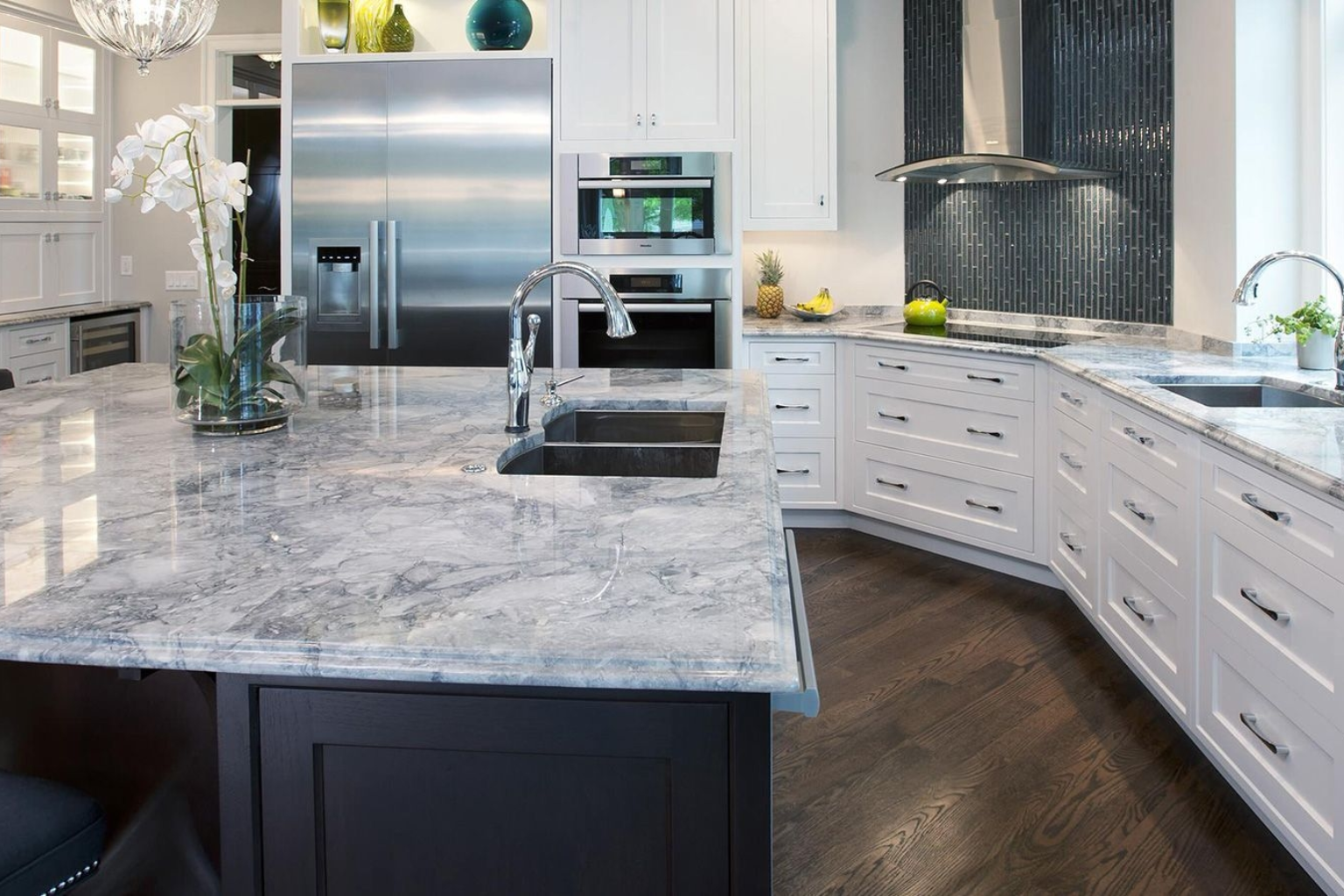
    For a lot of homeowners in Midwest City, OK, the heart of the kitchen isn’t the stove or the fridge—it’s the countertops. And lately, there’s been a growing love for quartzite, that lesser-known but absolutely stunning stone that’s stepping into the spotlight in a big way.


    Quartzite: The Quietly Luxurious Countertop Material

    So, what’s all the fuss about quartzite?

    First off, don’t confuse it with quartz. They sound similar, but they’re completely different. Quartz is engineered—made from crushed stone mixed with resin and pigment. Quartzite, on the other hand, is a natural stone formed under intense heat and pressure, which gives it some superpowers. It’s one of the hardest stones you can use in your home, and it’s tough enough to handle the wildest kitchen disasters—red wine spills, hot pans, you name it.

    But the real reason people are loving quartzite counter tops Oklahoma style? The look. This stone offers the dreamy veining of marble but with way more durability. You get elegance without the worry. Natural beauty that holds up to real life.


    Kitchens That Match Your Life, Not Just Your Pinterest Board

    We’ve all been there—scrolling through design inspo, falling for those wide-open, magazine-ready kitchens that look straight out of a dream. But when it comes time to remodel, reality kicks in. The layout’s tricky. The budget’s tight. And oh yeah—your family actually uses this kitchen, so it needs to be more than just pretty.

    That’s where customer countertops come into play. When you go custom, you’re not just picking out a material—you’re designing a space that fits you. Your quirks. Your habits. Your 5 a.m. coffee routine and your Friday night dinner prep marathon.

    Custom doesn’t have to mean complicated. It just means intentional. Want a waterfall edge on your island? Go for it. Need deeper drawers to stash the mixing bowls your grandma handed down? Totally doable. Whether you’re upgrading a fixer-upper or just finally getting around to making your forever home feel like yours, custom countertops offer that perfect balance of form and function.


    Midwest City: Big Charm, Small-Town Heart

    Here’s the thing about Midwest City, OK—it’s not some trendy design capital trying to copy what’s hot in L.A. or New York. It’s a place where people care about home. Where kitchens aren’t just showpieces but places to live in, laugh in, and sometimes cry over a burnt casserole in.

    That’s why quartzite has found its moment here. It fits that vibe. It’s stylish but not flashy. Timeless, not trendy. It looks great when guests come over, but it’s also strong enough to handle the rough-and-tumble of family life.

    And with local craftspeople and contractors who know the ins and outs of homes in this area—from post-war charmers to modern builds—you’re in good hands. These are folks who’ve seen a hundred kitchen layouts and still take the time to listen to your vision. They know how to blend durability with personality, and they’re not afraid to say, “Hey, that backsplash might look cool online, but trust me—you’re gonna hate cleaning it.”


    Choosing the Right Stone for the Right Life

    Still not sure if quartzite’s your perfect match? Fair. Let’s break it down a bit more.

    Quartzite pros:

    • Incredibly durable—resists heat, scratches, and etching
    • Looks a lot like marble but holds up way better
    • Available in a wide range of colors and patterns
    • Adds value to your home (because it looks like a million bucks)

    A few watch-outs:

    • It does need to be sealed periodically
    • Not as easy to fabricate as softer stones—so hire pros who know what they’re doing
    • Can be pricier than some other options, but many homeowners say it’s worth every penny

    In the end, it’s about knowing what matters to you. Are you after that jaw-dropping visual impact? Do you need a surface that keeps up with your whirlwind of a life? Are you remodeling with longevity in mind?

    If the answer is yes to any (or all) of those questions, quartzite’s definitely worth considering.


    From Blueprint to Breakfast Table

    At the end of the day, your kitchen isn’t just a room—it’s a rhythm. It’s the place where mornings begin, where recipes get tested (and sometimes failed), where conversations happen when no one wants to sit at the table.

    So whether you’re dreaming of a full renovation or just dipping your toes into the remodeling waters, think about the surfaces you’ll live with every day. Not just what they look like—but how they feel. How they function. How they’ll grow old with you.

    And if you’re in Midwest City, OK, you’re lucky enough to have access to artisans and suppliers who get it—who know how to blend beauty with utility, and who can help bring your dream kitchen to life with stunning quartzite counter tops oklahoma, custom layouts, and a whole lot of heart.

  • Clear Intentions, Cleaner Water: Why It’s Time to Rethink What Comes Out of Your Tap

    Clear Intentions, Cleaner Water: Why It’s Time to Rethink What Comes Out of Your Tap

    There’s something oddly comforting about a tall glass of water. Cold, clean, and crisp—it’s one of life’s simple pleasures. But if you’ve ever stood at your sink and paused for a second, wondering what exactly is swirling around in that tap water… well, you’re not alone. The truth is, “clear” doesn’t always mean “clean.”

    And that’s where water filtration makes its quiet entrance.

    It’s not flashy. It doesn’t beep or ping or connect to Wi-Fi. But it matters. Big time.

    What’s Lurking in Your Water, Anyway?

    Let’s get the unsettling part out of the way first: not all water that flows into your home is as pure as it looks. Even municipal supplies that are “safe to drink” can carry along some unexpected guests—chlorine, lead, pesticides, heavy metals, and the ever-present sediment. And if you’re on well water? That’s a whole different ball game with its own cocktail of surprises.

    You might not taste them. You might not see them. But they’re there, slipping past old pipes and overworked city treatment plants, straight into your glass.

    Now, I’m not trying to be dramatic. But wouldn’t it be nice to know your water’s clean, instead of just hoping it is?

    The Not-So-Secret Weapon: Filtration

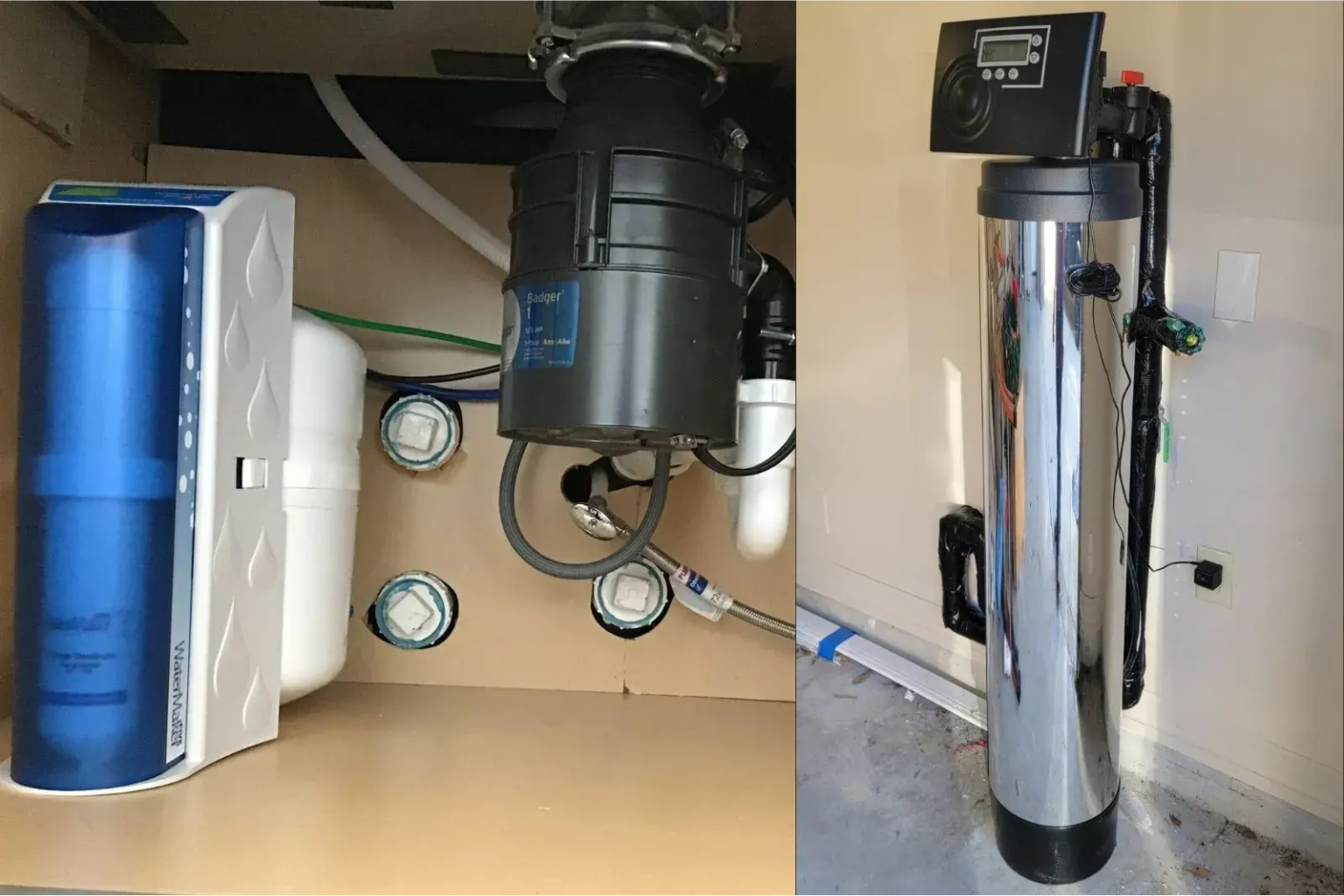
    That’s where a good water filtration system comes in. Think of it as a bouncer at the door of your plumbing—only the good stuff gets through. From simple under-the-sink carbon filters to whole-house setups that filter every drop that enters your home, there’s something for everyone. And they don’t just remove the bad—they often make your water taste a whole lot better too.

    Ever brewed coffee with filtered water? Total game changer.

    What’s great about modern filtration is how customizable it is. Got hard water with a high mineral content? There’s a filter for that. Worried about bacteria or viruses? UV purification can be added. Want to ditch the chlorine taste? Activated carbon’s your friend. You can build your system like a playlist—only hits, no skips.

    Home is Where the Filter Is

    Let’s talk about the everyday wins. When you install a water filtration system for home use, the benefits start adding up fast.

    Your skin feels less itchy after showers. Your clothes come out softer from the wash. Your kettle doesn’t get that weird white crust. You stop feeling guilty every time you grab a plastic bottle because hey, your tap water tastes that good now.

    And here’s the kicker—your body? It starts to thank you, too. Fewer contaminants, fewer irritants, fewer unknowns messing with your system.

    Now, is it going to turn your life into a Pinterest ad overnight? Nope. But it will quietly improve the quality of your daily routines in ways you might not expect. And sometimes, the best upgrades are the ones that simply do their job in the background.

    Is It Worth It?

    There’s no shortage of stuff to spend money on for your home. Fancy lighting. Smart thermostats. That minimalist dining table you saw on Instagram. But let’s be honest—how many of those things actually protect your health?

    A solid filtration system is one of the few home improvements that pays dividends every single day. You’re not just drinking better water—you’re cooking with it, showering in it, watering your plants with it. That’s a whole lot of influence for one unsung appliance.

    Yes, there’s an upfront cost. And yes, filters need replacing every so often. But when you weigh that against the recurring cost of bottled water—or worse, potential health risks down the road—it starts to feel less like an expense and more like an investment.

    Not just in your home, but in yourself.

    Picking the Right System (Without Losing Your Mind)

    The internet can be a minefield when you start searching for filters. Everyone’s got an opinion, and every brand promises it’s the best. But here’s a little secret: it’s not about finding the “perfect” system—it’s about finding the right one for you.

    Start with a water test. That’ll tell you what you’re dealing with—whether it’s high iron, bacteria, or just that odd chlorine aftertaste. Once you know what you’re up against, choosing a filtration system gets a whole lot easier. And if you’re feeling overwhelmed? Talk to someone who installs them. Ask questions. It’s your water, after all.

    Also—don’t forget maintenance. Even the best system in the world can turn into a glorified paperweight if you don’t change those filters on time. Set a reminder. Buy extras ahead of time. Make it part of your home rhythm.

    More Than Just Water

    At the end of the day, filtering your water isn’t just about what you take out. It’s about what you let in: confidence, comfort, a quiet kind of trust. You don’t have to second-guess every sip or wonder what’s behind that strange odor. You know your water is clean, because you made it that way.

    And that’s powerful.

    So yeah, water might not be flashy or fun to talk about at dinner parties. But when you’ve got a filtration system working behind the scenes, quietly keeping your home and family safe? That’s the kind of peace of mind that makes everything else—coffee, pasta, that ice-cold glass after a long day—just a little bit better.You don’t need perfection. You just need clean water. And the right water filtration system can make that your new normal.

  • Gather Here: Why Living Room Design Is About So Much More Than Looks

    Gather Here: Why Living Room Design Is About So Much More Than Looks

    There’s a reason we call it the living room. It’s where life happens—in all its messy, beautiful, spontaneous forms. It’s where we curl up with coffee and a book, host friends for game night, binge-watch our favorite shows, or just lie on the floor with the dog after a long day. And yet, so often, this space becomes a bit of a design catchall. A sofa here, a rug there, maybe a lamp if we’re feeling fancy. Done.

    But the truth? A well-designed living room can change the way you experience your entire home.

    Let’s talk about it—not in the jargon of catalog layouts or design trends that change faster than the weather—but in real, relatable terms. Because good living room design isn’t about perfection. It’s about presence. It’s about creating a space that feels as alive as the people who use it.


    Start With a Feeling, Not Furniture

    You can scroll Pinterest for hours and come away more confused than inspired. Modern farmhouse? Japandi? Mid-century with a twist of industrial chic? The truth is, the best designs don’t start with a style—they start with a vibe.

    Ask yourself this: how do you want your living room to feel? Cozy and intimate? Open and breezy? Playful and vibrant? Calm and grounding?

    Once you know that, the pieces start falling into place. Color, lighting, texture—they all serve that emotional tone. Maybe you want moody navy walls and velvet cushions. Or maybe it’s soft whites, layered neutrals, and open shelving. There’s no one right answer. Just your answer.


    Layout Is Everything (Seriously, Everything)

    We don’t talk about flow enough. You could have the most beautiful pieces, but if the layout’s off? The room won’t work. You’ll feel it—awkward conversations, cramped walkways, that one chair no one ever sits in because it’s just… weird.

    This is where a seasoned living room designer makes a world of difference. They know how to zone an open-concept space so it doesn’t feel like a furniture store. They understand scale—how to pick a sofa that fits without swallowing the room, or how to anchor a space with the right-sized rug (spoiler: most people go too small).

    Good design isn’t flashy. It’s intuitive. You don’t notice it when it’s done well—you feel it.


    Layers, Not Labels

    Want a room that feels curated, not cookie-cutter? Stop worrying about whether everything “matches.” Some of the most compelling spaces mix old with new, high with low, structured with soft.

    Add layers. A structured sofa with a chunky knit throw. Sleek metal lighting above a raw wood coffee table. A bold gallery wall next to a quiet reading nook.

    Your living room should tell a story—and not just one you found on someone else’s mood board. Let it reflect the places you’ve been, the textures you love, the people and moments that matter most.


    Lighting: The Silent Hero

    Natural light is great, sure. But unless you live in a glass house (please invite us over), you’ll need layers of light. Overhead fixtures, floor lamps, task lighting, dimmers—each one serves a different mood and moment.

    Want cozy evenings? Warm-toned bulbs. Need task lighting for reading? Adjustable arms and focused beams. Want your artwork to shine? Accent lighting makes a huge difference.

    It’s wild how lighting alone can shift the entire tone of a space—and yet it’s often an afterthought.


    Storage That Doesn’t Scream “Storage”

    We all want tidy rooms, but nobody dreams of wall-to-wall cabinetry unless they’re hiding a hoarding habit. The secret? Storage that blends in.

    Think ottomans that open up. Coffee tables with drawers. Shelving that holds books and plants and personality.

    When storage becomes part of the design, not an apology for clutter, your space stays both functional and stylish—without shouting about it.


    Personality Over Perfection

    Let’s get one thing straight: your living room doesn’t need to be showroom perfect. It just needs to feel like you. That means it’s okay if your coffee table has a few dings, or your throw pillows don’t match.

    In fact, it’s better that way. A little imperfection adds warmth, humanity, and character. This isn’t a photoshoot—it’s your life.

    And if you’re feeling stuck? Bring in someone who can see the forest through the furniture. A living room interior design, living room designer, living room design expert can help bridge the gap between your vision and the realities of the space—without turning it into someone else’s version of stylish.


    Small Changes, Big Shifts

    Not ready for a full-blown redesign? No problem. Sometimes, the smallest updates create the biggest impact. Rehang your curtains higher. Rearrange your layout. Swap out tired throw pillows. Layer in a textured rug or hang art that makes you smile every time you see it.

    Design isn’t about big budgets—it’s about better choices.


    Final Thought: Make Space for Living

    In the end, your living room should invite you in. It should offer comfort without asking for perfection. It should flex with your life—quiet mornings, chaotic family nights, impromptu dance parties.

    So take the time to think about how you want to feel in your space. What you want it to say when you walk in. What memories you want it to hold.Because when a living room is designed with heart, it doesn’t just look good—it makes living in it feel even better.

  • 5 Tips for Maintaining a Beautiful Yard

    5 Tips for Maintaining a Beautiful Yard

    Having a beautiful yard is something many people dream about. It feels good to look out the window and see green grass, colorful flowers, and healthy trees. But to keep your yard looking nice, you need to take care of it regularly.

    Yard work doesn’t have to be hard if you follow a few simple tips. In this article, I’ll share five easy and helpful ideas to keep your yard looking its best all year long. 

    1. Water the Right Way

    Watering is one of the most important things for your yard, but doing it the wrong way can harm your plants and grass. Water your yard early in the morning or late in the evening when the sun isn’t too strong. This helps the water soak into the soil instead of drying up.

    Also, try not to water too much. Too much water can cause the roots to rot and attract bugs. Using a sprinkler or soaker hose can help spread water evenly. 

    2. Keep Grass Trimmed and Healthy

    Mowing the lawn often helps keep your yard neat and clean. Try to cut just a little off the top each time—about one-third of the grass height. Cutting too much at once can stress the grass. Make sure your mower blade is sharp, so it cuts the grass cleanly.

    Also, don’t forget to feed your lawn. Fertilizer gives your grass the nutrients it needs to stay green and thick. A healthy lawn can even help stop weeds from growing. 

    3. Weed Control

    Weeds are one of the biggest problems in any yard. They steal water and nutrients from your plants and grass. For good weed control, pull weeds out by hand before they spread. You can also use mulch in flower beds to stop weeds from growing.

    Mulch blocks sunlight, so weeds can’t sprout. If the problem gets too big, you might need a weed killer, but always read the label and follow the directions. A little weed control goes a long way in keeping your yard looking clean and beautiful. 

    4. Smart Landscaping

    Landscaping is more than just planting flowers—it’s about planning your whole yard in a smart and pretty way. Choose plants that grow well in your area. Some plants need lots of sun, while others prefer shade. Grouping similar plants together makes them easier to care for.

    You can also add paths, stones, or small garden features to make your yard more interesting. Good landscaping not only looks great, but it also makes your yard easier to take care of. 

    5. Clean Up Regularly

    Leaves, twigs, and trash can make your yard look messy. Try to clean up once a week, especially during the fall when leaves fall everywhere. Raking leaves and removing dead plants keeps your yard healthy and tidy. Don’t forget to check for bugs or pests while you clean.

    Catching problems early can stop them from spreading. A little cleanup each week can save you a lot of work later. 

    Conclusion

    Taking care of a yard doesn’t have to be hard or expensive. By watering the right way, mowing often, practicing good weed control, using smart landscaping, and cleaning up regularly, you can enjoy a beautiful yard all year long.

    The best part is, the more you care for your yard, the more it will reward you with beauty and peace. Just a little time and effort can make a big difference.