Category: Home Improvement

  • The Benefits of Storm Doors in Home Security and Protection

    The Benefits of Storm Doors in Home Security and Protection

    A home should feel safe and secure at all times. Every homeowner wants to protect their property from potential threats, harsh weather, and energy loss. One simple yet effective way to achieve this is by installing storm doors. These doors act as a shield, reinforcing security and improving protection against external elements. They also offer additional benefits that go beyond just safety.

    Storm Doors Add an Extra Layer of Protection

    A standard entry door alone may not provide the level of security a home needs. That’s where storm doors come in. They serve as an extra barrier, making it harder for intruders to gain access.

    Storm doors are designed with sturdy frames and high-quality locks that enhance home security. When installed properly, they create an added level of defense, making break-ins more difficult. The presence of an extra door also deters criminals, as it requires more effort and time to get through two layers instead of one.

    Enhanced Security With Durable Materials

    The strength of storm doors lies in their materials. These doors are often made of heavy-duty aluminum, steel, or reinforced glass, all of which contribute to increased security.

    Storm doors with a metal frame and a multi-point locking system provide an extra safeguard. Many models come with impact-resistant glass, preventing breakage even in extreme conditions. Homeowners who invest in high-quality storm doors can feel confident knowing their entryways are well-protected from both forced entry and severe weather.

    Weather Protection for Your Main Entry

    Extreme weather conditions can take a toll on a home’s entry door. Rain, snow, wind, and direct sunlight can cause damage over time. A storm door acts as a protective shield, reducing exposure and extending the lifespan of the main door.

    By blocking harsh elements, storm doors prevent water from seeping into the home. This helps in maintaining a strong and sturdy entryway. The additional layer also keeps out debris, dust, and insects, ensuring a cleaner and more secure entrance.

    Improved Energy Efficiency With Storm Doors

    Heating and cooling costs can rise when air escapes through poorly sealed entryways. Storm doors provide insulation, helping to maintain indoor temperatures and lower energy bills.

    With a tightly sealed storm door, less air leaks out in the winter, keeping homes warmer. During summer, it acts as a barrier against heat, reducing the strain on cooling systems. Many storm doors come with energy-efficient glass panels that help regulate indoor temperatures, making them an excellent investment for cost-conscious homeowners.

    Better Ventilation Without Compromising Safety

    Fresh air is essential for maintaining a comfortable home environment. However, leaving the main door open can pose security risks. Storm doors allow homeowners to enjoy ventilation while keeping their homes safe.

    Many storm doors have built-in screens that let air flow freely. This allows natural breezes to circulate without inviting unwanted pests inside. Unlike traditional screen doors, storm doors are sturdier and more secure, making them a practical choice for homeowners who value both airflow and protection.

    Conclusion

    Investing in a storm door is a smart decision for any homeowner. It strengthens security, protects against harsh weather, improves energy efficiency, and enhances ventilation. Additionally, storm doors provide aesthetic benefits, allowing homeowners to customize their entrances. With so many advantages, these doors offer both practical and long-term benefits, making them a valuable addition to any home.


  • 5 Best Tips for Keeping Up with Your Home Maintenance

    5 Best Tips for Keeping Up with Your Home Maintenance

    Maintaining a home can feel like a never-ending job, but staying on top of things saves time, money, and stress. Small problems can turn into expensive repairs if ignored for too long. Whether you’re a homeowner or renting a place, regular maintenance keeps everything running smoothly. Here are five important tips to help you take better care of your home.

    1. Don’t Let Small Leaks Turn into Big Problems

    Leaking pipes may seem like a minor issue, but they can cause serious damage over time. A small drip can lead to mold, water stains, and even structural damage if ignored. The longer you wait, the worse it gets, and the repair costs can skyrocket.

    Check under sinks, around toilets, and near your water heater regularly. If you notice leaking pipes, don’t delay fixing it. Tighten loose connections or replace worn-out washers. If the leak is serious, call a plumber before it causes major damage. Prevention is always cheaper than repair.

    2. Keep Your Water Heater Tank Running Smoothly

    Your water heater works hard every day, but it needs maintenance to stay efficient. Over time, sediment builds up inside the tank, reducing efficiency and increasing energy costs. If left unchecked, it can even shorten the lifespan of your heater.

    Drain and flush your water heater tank at least once a year to remove the sediment. Check for leaks or rust around the tank, and make sure the temperature setting isn’t too high. If your water heater is over ten years old and causing frequent problems, it might be time for a replacement.

    3. Don’t Ignore Your Gutters

    Gutters may not seem important, but they play a big role in preventing water damage. When they’re clogged with leaves and debris, water overflows and can damage your roof, walls, and foundation. This leads to costly repairs that could have been avoided.

    Clean your gutters at least twice a year, especially in fall and spring. Use a ladder to remove debris by hand or use a garden hose to flush them out. If you notice sagging gutters or leaks, repair them immediately to prevent water from seeping into your home.

    4. Check Your HVAC System Before It Fails

    Your heating and cooling system keeps your home comfortable, but it won’t last forever without proper care. Dirty filters and clogged vents make it work harder, increasing energy bills and reducing its lifespan. If you don’t maintain it, you might find yourself without heat in the winter or AC in the summer.

    Change air filters every one to three months, depending on usage. Schedule a professional inspection at least once a year to clean and check for issues. This small investment can prevent expensive repairs and keep your system running efficiently.

    5. Inspect Your Roof Before It’s Too Late

    A damaged roof can cause leaks, mold, and even structural problems. Many people don’t think about their roof until there’s a major issue, but regular inspections can prevent costly surprises. Shingles can crack, curl, or fall off, leading to leaks that go unnoticed until it’s too late.

    Look for missing or damaged shingles, especially after storms. Check for water stains on your ceiling, as they might indicate a leak. If you spot any issues, get them fixed as soon as possible to avoid bigger problems later.

    Conclusion

    Taking care of your home doesn’t have to be overwhelming. Regular maintenance helps prevent small issues from turning into expensive repairs. Check for leaks, clean your gutters, maintain your HVAC system, and inspect your roof.

    A little effort now can save you a lot of trouble in the future. Keeping up with these tasks will help your home stay safe, comfortable, and in good shape for years to come.

  • Revolutionizing Construction with Modern Techniques

    Revolutionizing Construction with Modern Techniques

    The construction industry is constantly evolving, adopting innovative methods and materials to meet the growing demands for efficiency, sustainability, and durability. These advanced techniques not only streamline building processes but also ensure higher quality outcomes. By leveraging modern approaches, professionals can tackle complex projects with greater confidence. Throughout this article, we will examine how these advancements have redefined key aspects of construction. From concrete applications to prefabricated components, each plays a critical role in shaping the future of building projects. Understanding these tools and approaches prepares both industry professionals and clients for more informed decision-making.

    The Durability and Versatility of Concrete Flatwork

    Concrete stands as one of the most versatile materials in the construction industry, offering unmatched durability and adaptability. Flatwork, specifically, is widely used in projects like sidewalks, driveways, and building floors due to its ability to meet the demands of both aesthetic and functional needs. Services that provide commercial concrete ensure that larger-scale applications, such as office complexes or retail spaces, benefit from the material’s resilience. Properly installed flatwork remains stable over time, withstanding heavy loads and varying weather conditions. Additionally, concrete’s compatibility with a range of finishes allows for both polished designs and rough industrial textures. Its adaptability makes it an integral component of modern construction techniques.

    Advanced Technologies in Building Practices

    Emerging construction technologies have transformed traditional practices, making projects faster and more precise than ever before. Tools such as Building Information Modeling (BIM) help architects and engineers visualize designs in great detail, reducing errors during execution. On-site automation and the use of advanced machinery further optimize labor efficiency without compromising quality. Modern techniques also focus on sustainable building by incorporating renewable materials and energy-efficient designs. These technologies bolster the industry’s ability to balance environmental concerns with operational requirements. Professionals are encouraged to utilize such advancements to improve project outcomes while minimizing delays.

    Prefabricated Wall Frames and Trusses for Streamlined Building

    Prefabrication is a method that has gained significant traction for its ability to simplify construction processes while ensuring precision. Companies like Wonson Frames & Trusses produce components off-site, reducing the time and labor required during assembly. Prefabricated wall frames and trusses arrive ready to install, avoiding the inconsistencies often associated with on-site fabrication. This approach also enhances accuracy and lowers the likelihood of structural errors, leading to safer and more reliable buildings. Furthermore, the reduction in on-site waste aligns with sustainable construction practices. Prefabrication is becoming an essential technique for builders aiming to improve efficiency and project timelines.

    The Importance of Collaboration and Professional Oversight

    Regardless of the techniques in use, collaboration and expertise remain crucial in construction projects. Architects, engineers, and contractors bring valuable perspectives to ensure a design’s feasibility and functionality. Working with experienced professionals guarantees adherence to regulations and safety standards, avoiding costly mistakes down the road. Additionally, experts often have access to advanced tools and materials that may not be widely available, giving projects a competitive edge. Engaging professional services is strongly recommended, particularly for complex or large-scale projects. Trusting qualified teams leads to results that are both reliable and long-lasting.

    Sustainability and Modern Construction Methods

    Sustainability has become a central focus in construction, prompting innovation in materials and methods that reduce environmental impact. Green building certifications encourage the use of renewable resources, such as bamboo flooring or recycled steel. Energy-efficient designs, including solar panels and insulated walls, contribute to reducing overall operational costs. Water management systems and rainwater harvesting are being incorporated into large builds, reflecting a shift towards eco-conscious development. By adopting these methods, the industry not only addresses current environmental challenges but also demonstrates its commitment to future generations. Builders and stakeholders alike are encouraged to prioritize sustainability wherever possible.

    Conclusion

    Modern advancements in construction are paving the way for safer, faster, and more sustainable building practices. Trusting expert services and collaborating with experienced professionals remain integral to achieving optimal results. By understanding and implementing these methods, builders and clients can confidently tackle their projects with efficiency and precision. The evolution of construction techniques promises a future defined by resilience, adaptability, and environmental responsibility.

  • Essential Tips for Garbage Disposal System Repair – How to Keep Your Kitchen Running Smoothly

    Essential Tips for Garbage Disposal System Repair – How to Keep Your Kitchen Running Smoothly

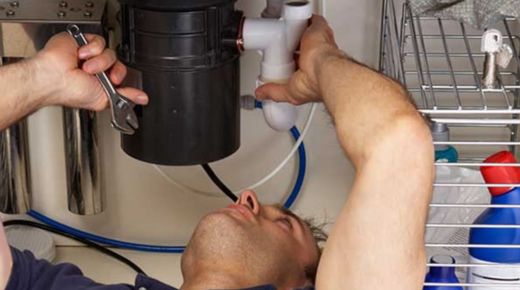
    A garbage disposal system is a handy kitchen appliance, making cleanup quicker and more efficient by grinding food waste into small particles that can easily flow through plumbing. However, like any appliance, it can encounter problems over time, leading to clogs, jams, or complete breakdowns. Knowing how to manage basic garbage disposal system repair tasks can save you time, money, and frustration while keeping your kitchen running smoothly.

    In this guide, we will cover common garbage disposal issues and provide essential tips for effective repairs and maintenance.

    1. Understanding Common Garbage Disposal Problems

    Before diving into repair tips, it’s essential to identify common issues that may arise in a garbage disposal system:

    • Jammed Disposal: Foreign objects like bones or utensils may become stuck in the disposal, preventing the blades from rotating.
    • Clogs in the Drain Line: Food particles and grease buildup can cause clogs in the plumbing system, leading to slow drainage or backups.
    • Unresponsive Disposal: If the disposal doesn’t turn on, it may be due to a tripped circuit breaker, electrical issues, or a faulty motor.
    • Strange Noises: Grinding, rattling, or humming noises could indicate jammed parts or loose components.
    • Leaking Disposal: Over time, seals and gaskets may wear out, causing leaks under your sink.

    2. Safety First: Disconnect Power Before Repairing

    One of the most important rules when it comes to Garbage Disposal System Repair is ensuring your safety. Always disconnect the power supply to the garbage disposal unit before attempting any repairs. Most systems are hard-wired into your electrical setup, but others may have a plug. If your unit is hard-wired, turn off the circuit breaker. For plug-in models, simply unplug the unit from the outlet. This step prevents accidental electric shocks and injuries while working on the system.

    3. Unclogging a Jammed Garbage Disposal

    A jammed garbage disposal is one of the most common issues homeowners face. If your disposal isn’t working properly or emits a humming sound, it’s likely jammed. Here’s how to fix it:

    1. Turn Off the Power: As mentioned, ensure the unit is completely disconnected from the power source.
    2. Use a Hex Wrench: Most garbage disposals come with a hex or Allen wrench that can be inserted into a hole at the bottom of the unit. Turn the wrench back and forth to manually rotate the blades and free the jam.
    3. Remove Visible Obstructions: Once the blades are free, use a flashlight to inspect the disposal for any foreign objects. Avoid using your hands—use tongs or pliers to remove anything that shouldn’t be there.
    4. Press the Reset Button: After clearing the jam, press the reset button located at the bottom of the disposal unit to reset the motor.

    4. Clearing Drain Clogs

    Clogs in the drain line are another common issue that can cause water to back up into your sink. To clear the drain:

    1. Use a Plunger: Place a plunger over the drain and give it a few firm plunges to dislodge any clogs in the pipe.
    2. Try a Drain Snake: If the plunger doesn’t work, use a drain snake to break up any blockages further down the pipe.
    3. Avoid Harsh Chemicals: While it may be tempting to use chemical drain cleaners, these can damage your pipes and garbage disposal. Instead, opt for natural solutions like a mixture of baking soda and vinegar followed by hot water.

    5. Fixing an Unresponsive Disposal

    If your garbage disposal isn’t turning on at all, here’s what to check:

    • Circuit Breaker: Ensure that the breaker hasn’t tripped. Reset it if necessary.
    • Power Connection: Double-check that the disposal is properly plugged in or wired.
    • Motor Overload: Many disposals have a motor overload protector. If your unit overheats, the motor may shut down. Press the reset button at the bottom of the unit to restore power.
    • Call a Professional: If none of these solutions work, it could be a sign of a more serious electrical or motor issue that requires professional assistance.

    6. Preventing Future Problems

    While knowing how to handle garbage disposal system repair is important, preventing problems is even better. Here are some maintenance tips to keep your system running smoothly:

    • Avoid Fibrous Foods: Foods like celery, potato peels, and corn husks can tangle the blades and clog the disposal.
    • Use Cold Water: Always run cold water while the disposal is operating. Cold water solidifies grease, allowing it to be chopped up more easily. Hot water can melt grease, which will then re-solidify further down the drain, leading to clogs.
    • Clean the Disposal Regularly: To prevent odors and buildup, clean your disposal by grinding up ice cubes and citrus peels or pouring a mixture of baking soda and vinegar down the drain.
    • Run the Disposal Frequently: Even if you don’t have food waste to grind, turn on the disposal with water running every few days to keep the parts moving and prevent rust or corrosion.

    Conclusion

    Proper care and timely garbage disposal system repair can extend the lifespan of your appliance and keep your kitchen free of inconvenient disruptions. Whether you’re dealing with a jammed unit, clogs, or electrical issues, following these tips will help you address common problems and maintain a smooth-running kitchen. When in doubt, don’t hesitate to call a professional to ensure the job is done safely and correctly.

  • Why is Roof Maintenance Important?

    Why is Roof Maintenance Important?

    A well-maintained roof is crucial for the safety and comfort of your home. Roof maintenance might not always be top of mind, but it plays a vital role in preserving the integrity of your home. Here’s why staying on top of roof maintenance is so important.

    Protecting Your Home from the Elements

    Your roof is your home’s first line of defense against the weather. It shields you from rain, snow, and intense sunlight. Without proper roof maintenance, your home could become vulnerable to leaks and damage.

    Water leaks from a damaged roof can lead to serious problems inside your house, including mold growth and structural issues. By keeping up with regular roof maintenance, you can prevent these issues and ensure your home remains safe and dry.

    Extending the Life of Your Roof

    A well-maintained roof can last much longer than one that is neglected. Regular inspections and minor repairs can help address small issues before they become big problems. For instance, replacing a few missing shingles or fixing a small leak can prevent more extensive and costly repairs down the line.

    Proper roofing maintenance helps to extend the life of your roof, saving you money on premature replacements.

    Enhancing Energy Efficiency

    An aging or damaged roof can negatively impact your home’s energy efficiency. If your roof isn’t in good shape, it might allow heat to escape during the winter or let hot air in during the summer. This can lead to higher energy bills as your heating and cooling systems work harder to maintain a comfortable temperature.

    By keeping your roof in top condition, you help ensure that your home remains energy efficient, which can lower your utility costs.

    Preventing Costly Repairs

    Addressing minor roof issues promptly can prevent more significant and costly repairs in the future. For example, a small crack or hole might seem insignificant at first, but if left unchecked, it can lead to major water damage and require expensive repairs.

    Regular roof maintenance allows you to spot and fix these problems early, avoiding the need for costly repairs or replacements.

    Maintaining Your Home’s Value

    A well-maintained roof contributes to the overall value of your home. If you plan to sell your house, potential buyers will look closely at the condition of the roof. A roof that is in good shape can make your home more attractive to buyers and increase its market value.

    Regular roof maintenance helps keep your roof looking good and functioning properly, which can enhance the curb appeal and value of your property.

    Safety Concerns

    A damaged roof can pose safety risks. Loose or missing shingles, damaged flashing, and other issues can lead to dangerous conditions. For instance, a weakened roof might collapse under heavy snow or ice. Regular roof maintenance helps ensure that your roof is structurally sound and safe for you and your family.

    The Bottom Line

    Roofing is a crucial aspect of home upkeep. Regular roof maintenance is essential for protecting your home from the elements, extending the lifespan of your roof, enhancing energy efficiency, preventing costly repairs, maintaining your home’s value, and ensuring safety.

    Investing in roof maintenance now will pay off in the long run, keeping your home safe, comfortable, and valuable.

  • Unleash the Inner Rock Star – A Dive into Wireless Speaker Systems and How They Rock Your World

    Unleash the Inner Rock Star – A Dive into Wireless Speaker Systems and How They Rock Your World

    Imagine this: you’re chilling in your backyard, hammock swaying gently, a cool drink in hand. But something needs to be added! It’s the perfect soundtrack to your ideal moment. That’s where wireless speaker systems come in, my friends – the ultimate party crashers (in the best way possible, of course). Forget clunky wires and tangled messes. These tech marvels fill your space with stunning sound, all without needing to be tethered to a wall outlet.

    But how exactly do these wireless wonders work? Buckle up because we’re about to embark on a thrilling adventure into the world of sound!

    The Techy Talk: How Wireless Speaker Systems Work

    Think of a wireless speaker system like a superhero team. Each speaker plays a crucial role:

    • The Mastermind (Main Speaker): This is the big cheese, the one plugged into power. It receives the audio signal (your favourite tunes!) and distributes it wirelessly to its teammates. Think of it as the conductor of the soundwave orchestra.
    • The Sidekicks (Satellite Speakers): These guys (or gals!) scatter around the room, spreading the sound magic. They connect wirelessly to the mastermind, pumping out high-quality audio wherever they’re placed.

    The Secret Weapon: Wireless Connection Magic

    There are two main ways these speaker teams communicate:

    • Wi-Fi: This lets you connect your system to your network at home, giving you access to a broader range of audio sources, like streaming services and online radio. Plus, it offers a super stable connection.
    • Bluetooth: It’s like a super-powered walkie-talkie for sound. Your phone or tablet connects directly to the mastermind speaker, letting you blast your tunes right from your device. This is perfect for smaller spaces or when you’re on the go (more on that later!).

    Beyond the Backyard: Where Wireless Speaker Systems Shine

    Wireless speaker systems are for more than just lazy afternoons in the sun. They’re like sonic chameleons, adapting to fit any situation:

    • Movie Night Magic: Transform your living room into a mini cinema with immersive surround sound. Imagine explosions booming all around you and car chases feeling more accurate than ever!
    • The Ultimate Gaming Experience: Level up your game with crystal-clear sound effects. Hear every footstep, every gunshot, and every whispered clue with fantastic detail.
    • Pool Party Pump-Up: Who needs a DJ when you have a wireless speaker system? Blast your poolside playlist and get everyone grooving without worrying about tangled wires near the water (safety first!). Here’s where the Best Buy Marine speakers come in. These speakers are built tough to handle splashes and the elements, making them perfect for outdoor fun. Check out EVIGroup [1] for some excellent options!

    The Perks of Going Wireless

    Let’s face it: wires are the enemy of a good time. Here’s why wireless speaker systems win the party planning award:

    • Freedom of Placement: No more rearranging furniture to fit the speaker wires! Place your satellite speakers wherever you want for the perfect sound experience.
    • Easy Setup: Ditch the instruction manuals! Wireless systems are generally a breeze to set up, so you can spend less time tech-wrestling and more time enjoying the music.
    • Multi-Room Madness: Want the same music playing in the kitchen, living room, and bedroom? Some wireless systems let you create a multi-room setup, letting the party flow wherever you go.

    Ready to Unleash Your Inner Audiophile?

    Wireless speaker systems are more than just gadgets – they’re the key to unlocking a world of fantastic sound experiences. Whether you’re a movie buff, a gaming guru, or love a good backyard jam session, there’s a wireless system out there waiting to transform your world. So, ditch the wires, crank up the volume, and get ready to experience the magic of sound like never before!