Choosing the Right Water Treatment Approach for Your Home or Business
Clean, dependable water is one of those things most people don’t think about until something goes wrong. Maybe the water suddenly tastes strange, there’s a stubborn odor coming from the tap, or mineral buildup starts appearing on faucets and appliances. In other cases, the problem is less obvious but still worth addressing.
That’s where a properly selected water treatment system can make a real difference. The right solution isn’t necessarily the most expensive or complicated one. It depends on what’s actually in the water, how much water you use, and what you want the treatment to accomplish.
Start by Understanding Your Water
Before choosing equipment, it helps to know what you’re dealing with. Water quality can vary dramatically from one neighborhood to another, and even homes on private wells may have very different conditions.
Common concerns include hard-water minerals such as calcium and magnesium, chlorine, sediment, unpleasant odors, iron, and certain unwanted contaminants. Municipal water supplies are generally treated before reaching homes, but treatment at the source doesn’t always mean the water will meet every household’s preferences.
A water test can provide a much clearer picture. Instead of guessing based on taste or appearance, testing gives you useful information about the water’s characteristics. That makes it easier to choose treatment that solves an actual problem rather than simply adding equipment.
Residential Water Treatment: What Homes Really Need
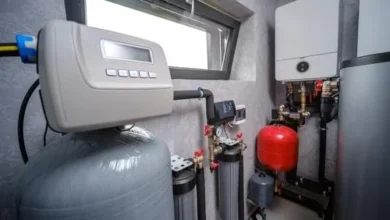
For residential applications, water treatment often focuses on comfort, everyday use, and protecting household plumbing and appliances.
Hard water is a good example. It may not necessarily make water unsafe to drink, but over time it can leave scale on showerheads, faucets, dishes, and heating elements. Soap may not lather as easily, and appliances that rely on water can experience additional wear.
Depending on the test results, homeowners may consider options such as:
- Water softeners for reducing hardness minerals
- Sediment filters for sand, dirt, and suspended particles
- Carbon filtration for improving taste and reducing chlorine
- Reverse osmosis systems for targeted drinking-water treatment
- Specialized filters for specific contaminants or odors
The important part is matching the technology to the problem. A family dealing primarily with hard water may have very different needs from someone concerned about the quality of drinking water at a kitchen faucet.
Commercial Water Needs Are a Different Story
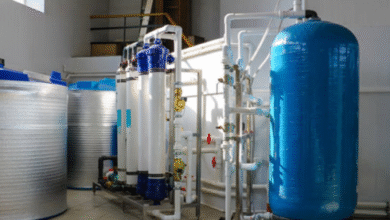
A commercial property usually has more complicated water demands than an average household. Restaurants, offices, hotels, healthcare facilities, manufacturing sites, and other businesses may use large quantities of water throughout the day.
Here, water quality can affect more than personal comfort. It may influence equipment performance, maintenance schedules, cleaning processes, production, and operating costs.
For example, scale buildup in commercial water heaters or equipment can become a costly headache. In a restaurant, water quality may also affect ice machines, dishwashers, coffee equipment, and the overall customer experience. A manufacturing facility may have highly specific water requirements depending on its processes.
Commercial treatment therefore needs to consider flow rates, peak demand, water chemistry, equipment requirements, and available space. A system that works beautifully in a three-person household probably isn’t the right choice for a busy facility.
Why Water Testing Matters More Than Guesswork
It’s tempting to pick a treatment product based on a common complaint. If your water smells like sulfur, for instance, you might immediately start looking for a filter designed for odor reduction. But the underlying cause matters.
Likewise, cloudy water could be related to sediment, air, minerals, or another issue. Testing helps separate symptoms from causes.
A professional water assessment may look at factors such as hardness, pH, iron, manganese, chlorine, total dissolved solids, and other relevant characteristics. Depending on the property and water source, additional testing may also be appropriate.
Think of it like taking your car to a mechanic. You wouldn’t replace random parts every time the engine made an unusual noise. You’d want someone to identify the problem first. Water treatment deserves the same practical approach.
Whole-Home Treatment vs. Point-of-Use Filtration
Another decision is where treatment should happen.
Whole-home systems treat water as it enters the property, allowing treated water to flow through multiple fixtures. This can be useful when the concern affects bathing, laundry, appliances, and general household water use.
Point-of-use systems, meanwhile, focus on a particular location. A reverse osmosis unit under the kitchen sink is a familiar example. It can provide highly treated water for drinking and cooking without treating every gallon used for showers or laundry.
Neither approach is automatically better. It comes down to the water issue and how the treated water will be used.
Sometimes a combination makes sense. A home might use whole-home treatment for hardness and sediment while using a dedicated drinking-water system in the kitchen. That kind of layered approach can be both practical and cost-conscious.
Think About Maintenance, Not Just Installation
One mistake people sometimes make is looking only at the initial purchase price. Water treatment equipment needs ongoing attention, and maintenance should be part of the decision from the beginning.
Filters need replacement. Some systems require salt or other consumables. Certain components need periodic cleaning or servicing. If maintenance is ignored, performance can gradually decline.
Ask questions before installation. How often do filters need changing? What does routine service involve? Are replacement parts readily available? What happens if the system develops a problem?
These details may seem small when you’re shopping, but they become much more important a year or two down the road.
A Smarter Way to Choose
The best water treatment solution isn’t necessarily the system with the longest list of features. It’s the one that fits the property, the water quality, and the people using it.
Start with testing. Identify the actual concerns. Consider how much water the property consumes and whether treatment is needed throughout the building or only at certain fixtures. Then compare technologies based on performance, maintenance, longevity, and total cost of ownership.
For homeowners, that can mean better-tasting water, less scale, and fewer frustrations with everyday plumbing. For businesses, it can mean protecting valuable equipment and keeping operations running smoothly.
Clean water shouldn’t feel complicated. With good information and the right treatment approach, it doesn’t have to be.