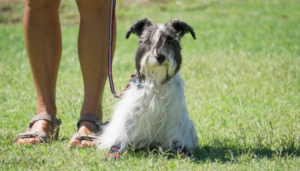
Hyperactive dogs can bring endless energy, excitement, and personality into a home, but without proper structure, that energy often turns into frustration for both dogs and owners. Excessive jumping, pulling on the leash, barking, inability to settle, and poor focus are common struggles many families face daily. That is why obedience coaching for hyperactive dogs has become one of the most valuable investments dog owners can make when seeking long-term behavioral improvement.
At Rob’s Dog Training, the focus is not simply on teaching commands. Effective obedience coaching creates communication, consistency, and emotional balance that help energetic dogs function successfully in real-world environments. Hyperactivity is rarely about a “bad dog.” In many cases, it is a combination of overstimulation, inconsistent boundaries, insufficient mental engagement, and undeveloped impulse control.
When owners understand how to guide energy productively, dogs become calmer, more responsive, and easier to manage in everyday situations.
Why Hyperactive Dogs Struggle With Obedience
Many high-energy dogs are intelligent, alert, and highly motivated. These qualities can be positive when properly directed, but difficult behaviors often appear when dogs lack structure or mental clarity.
Hyperactive dogs commonly struggle with:
- Constant movement indoors
- Excessive barking
- Poor leash manners
- Difficulty focusing during training
- Jumping on guests
- Reactivity around distractions
- Inability to settle after excitement
- Impulsive behavior around food, toys, or people
Traditional obedience approaches sometimes fail because they focus only on surface-level commands instead of addressing the dog’s emotional state and decision-making process. Hyperactive dogs need coaching that combines obedience with impulse control, engagement, and environmental management.
This is where personalized coaching becomes essential.
The Difference Between Exercise and Mental Control
One of the biggest misconceptions about energetic dogs is the belief that physical exercise alone solves hyperactivity. While movement is important, endless physical activity without mental structure can actually condition dogs for higher endurance instead of calmer behavior.
A dog that constantly receives stimulation without learning emotional regulation may become even harder to settle.
Balanced obedience coaching focuses on both physical and mental engagement through:
- Structured obedience sessions
- Controlled leash work
- Place training
- Threshold boundaries
- Duration commands
- Calm exposure to distractions
- Reward timing and consistency
Mental exercises require dogs to think, process, and make decisions. This often tires a dog more effectively than uncontrolled physical activity alone.
How Obedience Coaching Builds Impulse Control
Impulse control is one of the most important skills hyperactive dogs must develop. Dogs naturally react to movement, sound, excitement, and environmental triggers. Coaching teaches them how to pause, focus, and respond appropriately instead of reacting impulsively.
Key impulse-control exercises often include:
Place Training
Place training teaches dogs to remain calmly on a designated bed or platform despite distractions. This creates emotional regulation and teaches relaxation inside the home.
Structured Doorway Behavior
Instead of rushing through doors, dogs learn to wait calmly for permission. This small exercise reinforces patience and leadership throughout daily life.
Leash Pressure Conditioning
Dogs learn how to follow guidance calmly instead of pulling or lunging during walks.
Duration-Based Commands
Extended sit, down, and stay exercises improve focus and emotional stability in stimulating environments.
Over time, these exercises teach dogs that calm behavior leads to opportunities, rewards, and freedom.
Why Consistency Matters More Than Intensity
Many owners unintentionally create confusion by changing rules, rewarding excitement inconsistently, or correcting behaviors unpredictably. Hyperactive dogs often respond best to calm, repetitive structure rather than emotional reactions.
Consistency matters in areas such as:
- Daily routines
- Feeding schedules
- Walking expectations
- Household boundaries
- Reward timing
- Command enforcement
- Guest interactions
Dogs learn through patterns. When expectations remain clear, dogs become more confident because they understand how to succeed.
Obedience coaching helps owners develop consistent communication habits that support long-term reliability.
The Importance of Calm Leadership
Hyperactive dogs are highly sensitive to human energy. Owners who respond with frustration, inconsistency, or excessive excitement may unintentionally increase overstimulation.
Calm leadership does not mean harshness or intimidation. It means providing:
- Clear direction
- Predictable structure
- Controlled energy
- Fair corrections
- Appropriate rewards
- Consistent follow-through
Dogs often mirror the emotional state of their environment. Calm guidance creates calmer responses over time.
Real-World Training Creates Better Results
Many dogs perform well in quiet training environments but struggle once distractions appear. Effective obedience coaching for hyperactive dogs must include real-world exposure and practical application.
Training should gradually include environments such as:
- Neighborhood walks
- Parks
- Outdoor patios
- Pet-friendly stores
- Busy sidewalks
- Public gathering areas
Controlled exposure helps dogs learn how to remain focused despite environmental stimulation. This process builds confidence while reducing overreaction and anxiety.
Dogs that only train indoors may never fully generalize behaviors to real-life situations.
Common Mistakes Owners Make With Hyperactive Dogs
Even dedicated owners can accidentally reinforce undesirable behaviors. Recognizing these mistakes is important for long-term progress.
Rewarding Excitement
Giving attention during jumping, barking, or frantic behavior can reinforce over-arousal.
Inconsistent Rules
Allowing behaviors sometimes but correcting them at other times creates confusion.
Too Much Freedom Too Early
Dogs that lack impulse control often need structure before earning unrestricted freedom.
Overusing Repetition
Repeating commands multiple times teaches dogs they can ignore the first request.
Training Without Clear Goals
Random sessions without progression often produce inconsistent results.
Professional coaching helps owners identify and correct these patterns while building healthier communication habits.
Why Personalized Coaching Works Better
Every hyperactive dog has different triggers, motivations, and learning styles. Breed tendencies, age, environment, socialization history, and temperament all influence behavior.
Personalized coaching allows trainers to adjust:
- Training pace
- Reward systems
- Exposure levels
- Correction timing
- Environmental difficulty
- Engagement strategies
This customized approach often produces faster and more sustainable improvement compared to generic training methods.
A working-breed puppy may require different structure than an adolescent rescue dog with overstimulation issues. Tailored coaching recognizes those differences instead of forcing identical methods onto every dog.
The Role of Daily Structure at Home
Training sessions alone rarely solve behavioral issues if structure disappears the rest of the day. Hyperactive dogs benefit greatly from predictable routines and controlled household expectations.
Helpful daily habits include:
- Scheduled walks
- Structured feeding times
- Calm crate routines
- Place training during family activities
- Controlled greetings
- Short obedience refreshers
- Supervised play sessions
When dogs understand the rhythm of daily life, anxiety and overstimulation often decrease naturally.
Owners should also avoid unintentionally creating constant stimulation through excessive excitement, nonstop play, or unrestricted access to everything in the home.
Building Better Leash Behavior
Leash pulling is one of the most common frustrations with hyperactive dogs. Pulling is often driven by excitement, environmental fixation, or lack of engagement with the handler.
Strong leash coaching focuses on:
- Handler awareness
- Proper leash pressure communication
- Directional changes
- Engagement exercises
- Reward timing
- Controlled pacing
Loose-leash walking is not simply about preventing pulling. It teaches dogs to remain mentally connected to the handler despite distractions.
This skill often improves overall obedience because the dog learns to follow guidance calmly in stimulating situations.
Mental Stimulation Matters
Hyperactive dogs frequently need productive mental outlets in addition to physical exercise. Mental enrichment helps reduce boredom-driven behaviors and improves focus.
Useful enrichment activities include:
- Food puzzles
- Scent games
- Obedience drills
- Structured fetch
- Search exercises
- Problem-solving games
- Controlled tug sessions
Mental work encourages dogs to process information calmly instead of constantly seeking uncontrolled excitement.
However, enrichment should remain structured. Constant chaotic stimulation can increase arousal rather than improve behavior.
Long-Term Results Require Patience
Behavioral improvement does not happen overnight. Hyperactive dogs often require gradual progression, repetition, and consistency before behaviors become reliable.
Owners should focus on:
- Small improvements
- Consistent communication
- Realistic expectations
- Daily repetition
- Long-term habits
Quick fixes rarely create lasting behavioral stability. Sustainable obedience develops through repetition and clarity over time.
The goal is not to suppress personality or energy. The goal is to help dogs channel energy appropriately while remaining responsive and emotionally balanced.
Why Early Intervention Helps
Many hyperactive behaviors become stronger through repetition if left unaddressed. Early coaching helps prevent unhealthy habits from becoming deeply ingrained.
Young dogs that receive structured obedience coaching often develop:
- Better social skills
- Improved confidence
- Stronger emotional regulation
- Safer public behavior
- Better adaptability
- More reliable recall
- Stronger owner engagement
Even older dogs, however, can make significant progress with the right coaching approach and owner commitment.
Final Thoughts
Obedience coaching for hyperactive dogs provides far more than basic commands. It creates structure, communication, emotional regulation, and practical life skills that improve both the dog’s behavior and the owner’s daily experience.
Hyperactivity is not simply about excess energy. In many cases, it reflects a lack of clarity, impulse control, and balanced guidance. With consistent coaching, real-world practice, and calm leadership, energetic dogs can learn how to focus, settle, and respond reliably in everyday situations.
At Rob’s Dog Training, effective obedience coaching focuses on building long-term behavioral success through practical training methods that support both dogs and their owners. The result is not just better obedience, but a stronger relationship built on trust, consistency, and communication.