Category: Home Services

  • When Pipes Misbehave: Finding the Right Help for Your Home’s Water and Sewer Woes

    When Pipes Misbehave: Finding the Right Help for Your Home’s Water and Sewer Woes

    It’s funny how most of us never think about what goes on behind the walls or beneath the yard until something goes wrong. You wake up one morning, stumble into the kitchen, and there it is—a little puddle that wasn’t there yesterday. Or worse, the sink refuses to drain and suddenly, coffee is the least of your problems. Water lines, sewer pipes, and drains are the quiet heroes of a functioning home, yet when they fail, they demand all your attention at once. And finding the right professional for the job? That’s where the story really begins.


    The hidden lifelines we forget about

    Water lines are like veins running through a property, quietly transporting what we all depend on: clean water. But age, ground movement, or even just plain wear and tear can cause cracks or leaks that spread quickly. The trouble is, leaks aren’t always dramatic. Sometimes it’s a slow drip that only shows itself through a higher bill, soft ground in the yard, or maybe that weird hissing sound you swear wasn’t there before.

    This is where having a trusted Water line repair plumber comes into play. They’re the kind of professional who doesn’t just fix a pipe—they help restore peace of mind. The good ones won’t just dig up half your lawn unnecessarily; they’ll know how to pinpoint the problem, suggest cost-effective solutions, and explain things in language that actually makes sense.


    Sewer lines: when problems go deeper

    While a leaky water line is annoying, sewer line issues can turn downright ugly. Old clay pipes, tree roots seeking out moisture, or shifting soil all create the perfect recipe for blockages and breaks. And once a sewer line goes bad, it’s not just about inconvenience—it’s about sanitation, health, and the very livability of your home.

    That’s why people often look for experienced Sewer replacement contractors instead of general handymen. Replacing or repairing a sewer line isn’t just about brute force digging anymore. Technology has introduced trenchless repair options, video inspections, and advanced pipe-lining techniques that can sometimes save your driveway or garden from being torn apart. Choosing a contractor who knows these methods can make the difference between a stressful nightmare and a relatively manageable repair.


    The everyday battle of drains

    Of course, not every plumbing issue is as dramatic as a cracked sewer line. Sometimes it’s just a sink that won’t drain, or a shower that leaves you standing in two inches of water. These smaller annoyances are the ones that tempt homeowners into the “maybe I can fix it myself” mindset. A plunger here, some baking soda and vinegar there, maybe even a questionable YouTube hack involving a coat hanger.

    But sometimes, the clog laughs at your efforts. Hair, grease buildup, food particles, even small objects that accidentally slip down the drain—these can form stubborn blockages that no amount of DIY will budge. At that point, a reliable Drain unclogging service near me starts sounding like a much better idea. A professional can snake the drain, use hydro-jetting equipment if needed, and make sure the problem doesn’t just come back in a week.


    How to choose the right professional

    The challenge isn’t just knowing when to call—it’s knowing who to call. Every city and town has plenty of people claiming they can fix pipes, but not all plumbing services are created equal. A few things worth considering:

    • Experience matters. A seasoned plumber has seen it all and is less likely to be stumped by an unusual issue.
    • Licensing and insurance. This protects both you and the worker if something goes wrong.
    • Transparency. Clear estimates, upfront costs, and honest timelines make for smoother experiences.
    • Technology. The best companies invest in updated equipment like camera inspections, trenchless tools, and leak detection systems.

    Think of it this way: you wouldn’t trust your health to someone without credentials, so why treat your home’s lifelines any differently?


    Why ignoring problems rarely works out

    One of the biggest mistakes homeowners make is hoping small issues will just go away. That faint gurgling noise in your toilet? The slow drain in the kitchen? They’re usually early warning signs. Ignoring them can lead to a more expensive repair down the road. A minor clog can build pressure that damages pipes. A slow leak can weaken a foundation or encourage mold. It’s rarely cheaper to wait.

    There’s also the mental toll. Living with constant plumbing “quirks” gets stressful. You start rearranging daily habits around problems—avoiding one bathroom, keeping towels around for drips, or holding your breath when flushing. At some point, it’s worth the relief of calling someone who can actually solve it.


    The peace of mind factor

    At the end of the day, calling in professionals isn’t just about pipes and drains—it’s about restoring comfort. Running water, flushing toilets, and working drains are so basic that we don’t even think about them until they’re gone. Once fixed, the relief is almost instant. It’s the kind of everyday luxury you appreciate more after a crisis.

    A good plumber or contractor doesn’t just solve today’s emergency; they give advice to help you avoid the next one. Maybe it’s installing a better drain cover, upgrading to modern piping, or simply scheduling annual check-ups to catch problems early. Those little preventative steps go a long way in keeping the chaos at bay.


    Wrapping it up

    Plumbing problems don’t ask for your permission; they show up uninvited and usually at the worst possible time. But with the right people on your side—whether it’s a water line specialist, sewer replacement team, or drain unclogging expert—you can handle the chaos without losing your sanity.

    So, next time your sink makes funny noises or the yard feels suspiciously soggy, don’t just shrug it off. Take it as your home whispering for attention. Because when it comes to plumbing, listening early almost always saves you money, time, and more than a little frustration.
  • Plumbing That Keeps Artesia Flowing: From Homes to Businesses

    Plumbing That Keeps Artesia Flowing: From Homes to Businesses

    Plumbing isn’t something most of us stop to think about, at least not when everything’s working fine. It’s one of those behind-the-scenes essentials of modern life. You wake up, turn on the shower, wash dishes after dinner, maybe run a load of laundry — all without giving a second thought to the pipes and fixtures quietly doing their job. But the second something goes wrong, like a clogged drain or a water heater acting up, plumbing instantly becomes the only thing on your mind.

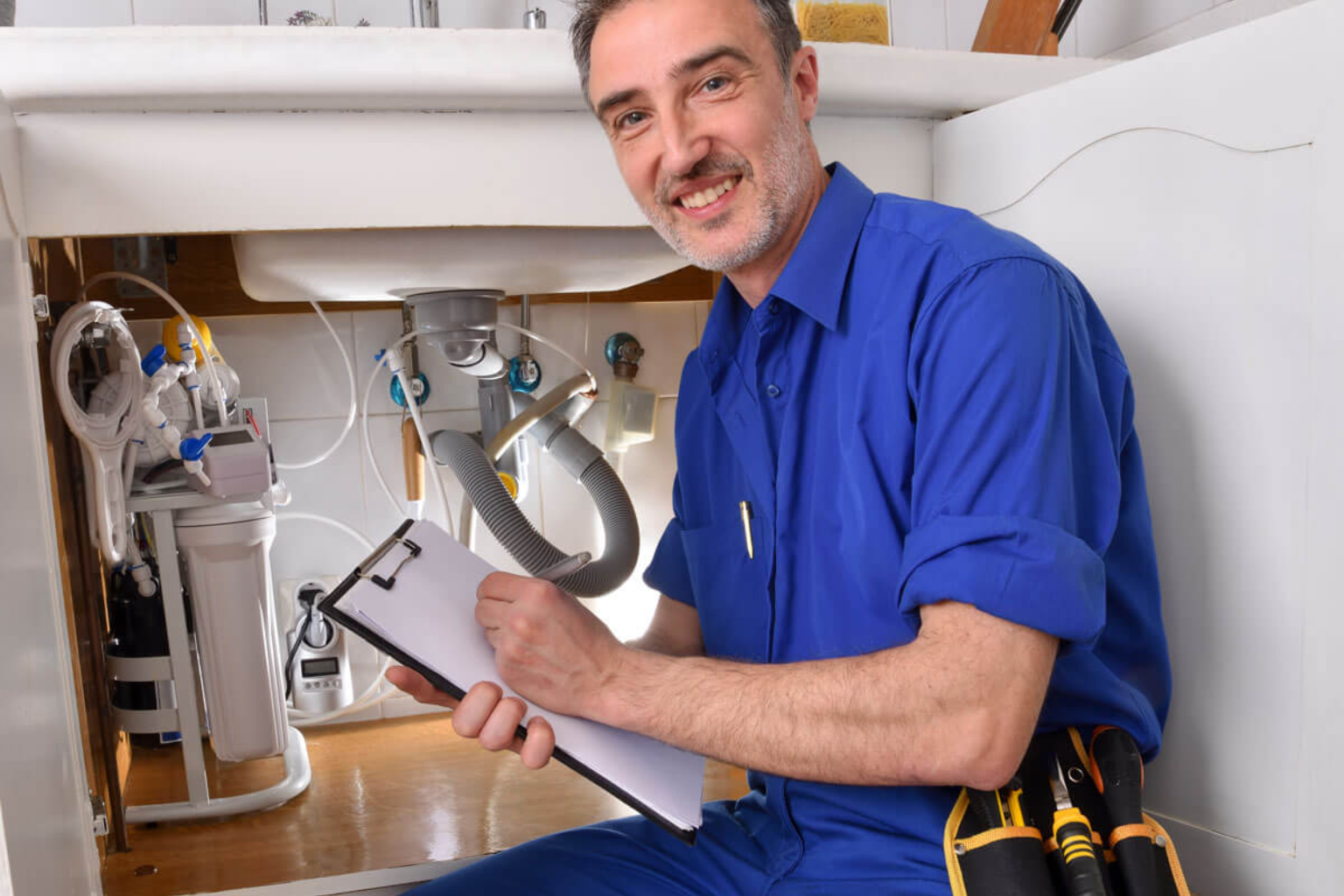
    That’s the moment you realize how much peace of mind comes from knowing a reliable plumber in Artesia NM is just a phone call away. Not just any plumber, but someone who understands local homes, businesses, and the quirks that come with living in this part of New Mexico. The kind of professional who shows up on time, explains what’s happening without confusing jargon, and leaves you feeling like the problem is fully taken care of.


    The Everyday Issues We All Face

    It doesn’t always take a plumbing “disaster” to disrupt your day. Sometimes it’s the kitchen sink draining slower and slower until it’s a full-blown clog. Or the toilet that never stops running and quietly adds dollars to your water bill. These may seem like small annoyances, but they build up over time — and eventually, they demand attention.

    That’s where services like drain cleaning Artesia NM come into play. Clearing out buildup before it turns into a nasty backup saves homeowners a lot of headaches. A professional has the tools and know-how to go deeper than store-bought cleaners, making sure the issue is fully resolved rather than just masked for a week or two. It’s preventative care, really — like taking your car in for an oil change before the engine light comes on.


    When Plumbing Goes Beyond the Household

    Of course, plumbing in Artesia isn’t just about homes. Businesses here rely on it just as much, sometimes even more. Think about a busy restaurant — a clogged sink or a broken dishwasher can throw the entire operation off track. Or consider an office building with dozens of employees; bathrooms and water systems have to be dependable every single day.

    That’s why commercial plumbing Artesia is so critical. These larger-scale projects require a different level of expertise. It’s not just fixing a leak but designing, installing, and maintaining systems that can handle heavy demand. When done right, businesses don’t even have to think about their plumbing. But when something fails, the costs go beyond repair bills — downtime means lost revenue and frustrated customers.


    Emergencies Don’t Wait for Convenient Timing

    Here’s the truth about plumbing problems: they don’t care about your schedule. A pipe doesn’t burst on a quiet Sunday afternoon when you’re already home. No, it happens at 11 p.m. on a Tuesday, or right before you’re about to leave for work. Those are the moments when having a trusted local plumber is worth everything.

    Quick response times, emergency services, and the ability to troubleshoot fast — those are the qualities people look for in a professional. It’s about more than fixing the issue; it’s about restoring peace of mind when chaos sets in.


    Local Knowledge Makes a Difference

    There’s something valuable about working with people who know the area inside and out. Artesia isn’t a huge city with endless options, but that works in favor of homeowners and businesses. Local plumbers understand the specific challenges — older homes with outdated pipes, water quality issues, or the demands of commercial properties around town.

    That experience translates into smarter fixes. A plumber who’s seen the same issue dozens of times knows how to get it right the first time. And just as importantly, they know how to explain it in a way that makes sense, leaving you feeling confident instead of confused.


    Balancing Cost and Quality

    Let’s face it: nobody looks forward to paying for plumbing repairs. But most people also know that “cheap” work usually ends up costing more in the long run. The real sweet spot lies in fair, transparent pricing paired with solid workmanship. A clear estimate up front, no hidden fees, and a solution that lasts — that’s what people want.

    It’s not about chasing the lowest bid; it’s about finding someone who values both your budget and your home. And once you find that balance, you’re far less likely to dread calling for help when something goes wrong.


    Preventing Tomorrow’s Headaches

    Good plumbing isn’t only about reacting to problems. It’s about preventing them before they spiral into something bigger. Regular maintenance — checking water heaters, inspecting pipes, cleaning drains — can add years of life to a system. Think of it as an investment rather than a chore.

    Professionals often catch issues that homeowners overlook: small leaks, outdated parts, or inefficiencies that drive up water bills. Fixing these early is usually far cheaper and much less stressful than waiting for a crisis.


    Wrapping It Up

    Plumbing might not be the most exciting topic, but it touches every part of daily life. When it works, it blends into the background seamlessly. When it doesn’t, it demands all your attention — usually at the worst possible moment.

    In Artesia, having access to reliable plumbing support is more than just convenience; it’s about comfort, safety, and keeping life on track. Whether it’s a routine drain cleaning, an urgent midnight call, or a large-scale commercial project, the right professionals make all the difference.

    So the next time a faucet drips endlessly or a sink refuses to clear, remember: you don’t have to figure it out alone. Trusted local plumbers are here to keep the water flowing, the systems running, and your stress levels in check. And honestly, that’s something worth appreciating every single day.

  • Rethinking Water: From Homes to Industries, Smarter Ways to Stay Sustainable

    Rethinking Water: From Homes to Industries, Smarter Ways to Stay Sustainable

    There’s something quietly comforting about turning on a tap and knowing that clean water will flow. It’s one of those everyday luxuries many of us rarely think twice about, yet behind that steady stream lies a world of infrastructure, innovation, and sometimes… neglect. Water is one of the most basic human needs, but it’s also one of the most overlooked when it comes to how we source, use, and protect it. With climate change, population growth, and rising environmental awareness, the conversation around smarter water solutions has become impossible to ignore.

    We’re no longer just talking about what’s safe to drink. We’re talking about a shift—a cultural, environmental, and even economic transition—from relying on packaged convenience to embracing systems designed to last. The journey spans kitchens, entire households, and even large-scale industrial facilities. And in each case, the underlying question is the same: how can we treat water more responsibly without compromising on quality or convenience?


    Moving Beyond the Plastic Bottle

    Think about how often bottled water has been pitched as the “healthier” or “safer” option. It’s easy to see the appeal: it’s portable, it’s consistent, and it feels reliable. But stack those plastic bottles in a recycling bin (or worse, see them tossed into landfills and oceans), and the problem suddenly looks overwhelming.

    That’s where bottled water alternative systems come into the picture. Instead of leaning on single-use plastics, these setups—ranging from compact countertop purifiers to advanced refill stations—offer water that’s not just clean but also sustainable. They’re about giving people the same peace of mind bottled water promises, but without the environmental guilt. Some offices and schools have already swapped vending machines for refill kiosks, and at home, many families are realizing it’s cheaper in the long run to install a filter than to keep lugging cases of water from the store.

    The bigger shift here isn’t just about convenience—it’s about breaking habits. Once you start trusting the water from your system, bottled water suddenly feels outdated. It’s like clinging to CDs in a world where streaming exists.


    Clean Water, Room to Room

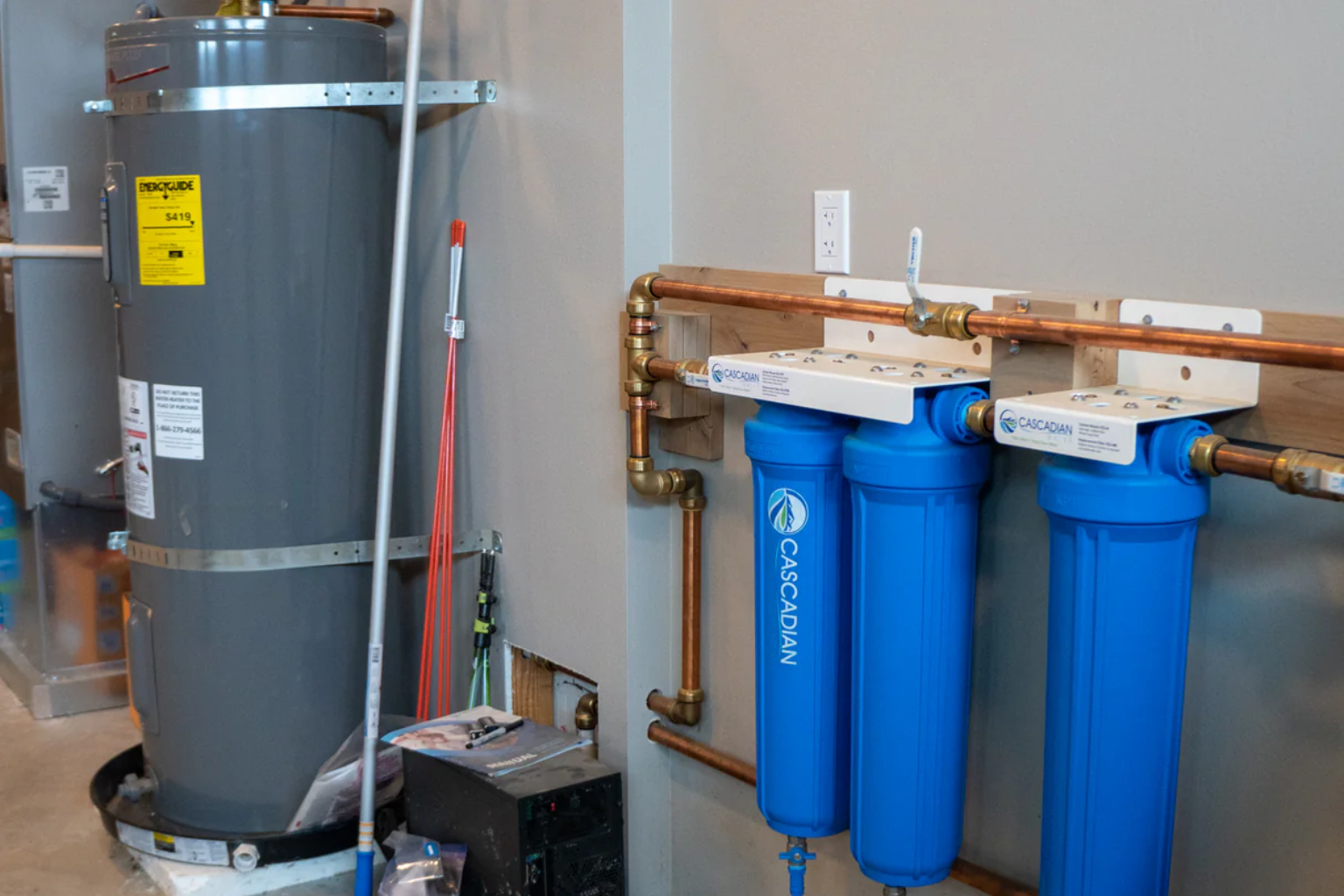
    Of course, hydration isn’t the only reason we need clean water. Showers, laundry, cooking, even the dishwasher—water touches nearly everything we do inside a home. And while a sink-top filter might handle drinking water, it doesn’t tackle the bigger picture. That’s where whole house water filtration steps in, making sure that every faucet, showerhead, and appliance is fed with cleaner, safer water.

    For anyone who’s lived with hard water, the benefits are obvious: fewer stains on sinks, softer laundry, and a noticeable difference in skin and hair health. But the real kicker is what it does behind the scenes. Pipes, heaters, and washing machines last longer because they’re not corroding or clogging up with mineral buildup. It’s one of those upgrades that isn’t flashy but slowly proves its worth day by day.

    I’ve heard homeowners compare it to upgrading insulation in a house—you don’t “see” it, but you feel the difference, and your bills thank you for it.


    The Industrial Side of Water

    Zoom out even further, and water becomes a serious business issue. Factories, refineries, food processing plants—nearly every industrial sector depends on massive volumes of water. The challenge? When that water comes out dirty, contaminated, or full of chemicals, it can’t just be dumped back into rivers or sewers. Regulations are strict, and rightly so.

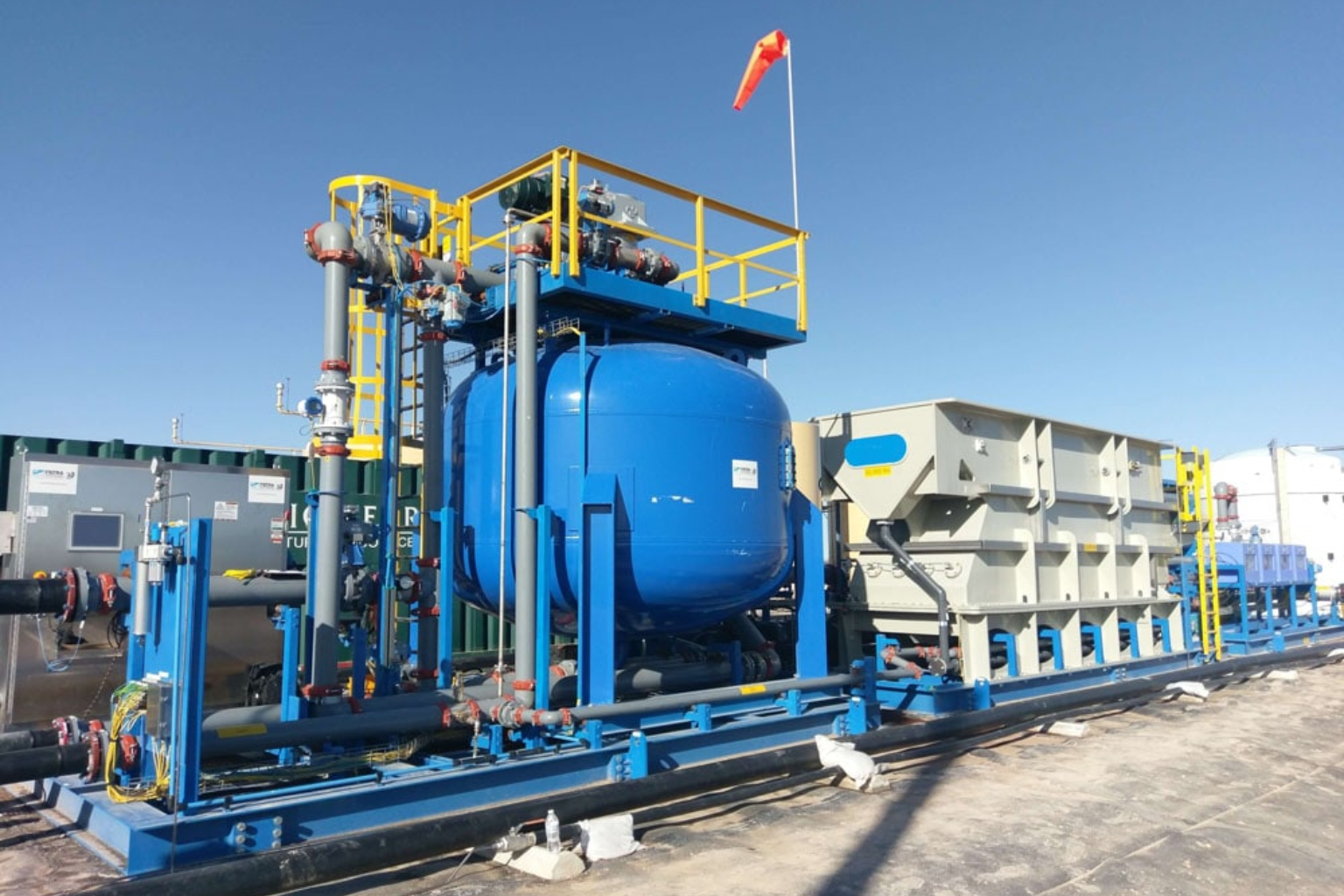
    Enter industrial wastewater treatment contractors, the unsung problem-solvers who step in when water leaves the “safe for use” category. These experts design and maintain systems that clean industrial effluent, making it safe for disposal or even reuse. For some companies, treated water becomes part of a recycling loop, cutting down overall consumption and saving costs in the long term.

    It’s not glamorous work, but it’s critical. Without these systems, many industries would face crippling fines or even shutdowns. More importantly, the local communities surrounding these facilities would be exposed to serious environmental risks. The way I see it, these contractors aren’t just service providers—they’re gatekeepers of public health.


    A Cultural Shift in Progress

    The fascinating part about all of this is how connected it really is. On one side, you’ve got individuals questioning whether they need to keep buying bottled water. On another, families are investing in systems that protect their homes from contaminants. And at the far end, industries are taking responsibility for the waste they generate.

    It’s a spectrum of solutions that, when stitched together, reflects a larger cultural awareness: water isn’t something we can take for granted anymore. Every choice—from filling a reusable bottle to supporting stricter industrial standards—feeds into a bigger story of sustainability.

    And unlike some global challenges that feel too abstract or too distant, this one happens right at our taps. Every time we turn the handle, we’re part of the system.


    Practical Considerations and Everyday Choices

    Of course, the question many people ask is: “Where do I even start?” The good news is that the options are flexible. For a college student in a dorm, it might be as simple as a compact purifier jug. For a family of five in a suburban home, a full-house system might make more sense. And for small businesses—cafés, gyms, coworking spaces—offering filtered water stations can be both cost-effective and a goodwill gesture toward customers.

    The trick is to look beyond the immediate sticker price. A $30 filter jug seems cheaper than a $2,000 system, but when you calculate bottled water purchases, appliance wear-and-tear, or even medical bills from questionable water quality, the long-term math flips. The same logic applies at the industrial scale, where upfront investment in treatment often saves millions in compliance and sustainability costs down the line.


    Closing Thoughts

    When you think about it, water tells a story of balance. We need it desperately, but we also tend to waste it. We celebrate its purity, yet pollute it carelessly. The solutions—whether at the scale of a reusable bottle or a treatment plant—are about restoring that balance, making sure the next generation doesn’t look back at us and wonder why we didn’t act sooner.

    So maybe the next time you pour a glass, wash your hands, or see steam rising from a factory stack, you’ll pause for just a second. Not with guilt or fear, but with an appreciation that change is happening—that smarter, more responsible water practices are becoming the norm. And maybe, just maybe, we’ll get to a point where clean, sustainable water is not a privilege, but the default.

  • When Your Cooktop Lets You Down: A Personal Take on Repairs, Frustrations, and Fixes

    When Your Cooktop Lets You Down: A Personal Take on Repairs, Frustrations, and Fixes

    There’s something oddly comforting about a kitchen humming in full swing — pans sizzling, water boiling, the faint whiff of garlic in butter. But that comfort flips on its head the second your cooktop stops working. It’s almost like the heart of your kitchen decides to take a day off, and you’re left stranded with half-cooked pasta and rising frustration. I’ve been there more than once, and trust me, it’s never fun.

    The tricky part about cooktops is that they’re a little like cars. They run fine, until suddenly they don’t. Maybe the burners won’t ignite, or the electric surface won’t heat evenly. Sometimes the knobs feel loose, or the unit just shuts down without warning. At that point, the question becomes: how do you find reliable cooktop repair near me that isn’t going to waste your time, overcharge you, or leave you with a temporary fix?


    Why Cooktop Breakdowns Feel So Disruptive

    Unlike a dishwasher or even an oven, a cooktop is part of your daily rhythm. You can get away with hand-washing dishes for a week, or reheating leftovers in a microwave when the oven’s down. But when the cooktop fails, meal prep feels almost impossible. Suddenly, you’re improvising sandwiches for dinner, or worse, spending way more money on takeout than you ever intended.

    That’s why fast repair matters. But here’s the rub: not all repair services are created equal. Some technicians arrive hours late, fiddle around for fifteen minutes, and declare the problem “fixed” — only for it to resurface two days later. Others might have great reviews, but they’re booked solid for weeks. And when your cooktop’s busted, waiting a month isn’t an option.


    The Local Advantage

    I’ve found that looking for help locally makes a big difference. Smaller, independent repair services often care more about their reputation, and that translates into better customer service. When you’re typing in “cooktop repair Birmingham AL,” you’re not just searching for a technician; you’re looking for someone who knows the quirks of local homes, the brands people actually use in your area, and how to get parts quickly without weeks of shipping delays.

    Birmingham, like many cities, has its fair share of big corporate appliance services. They’re not necessarily bad, but sometimes they lack that personal touch. The smaller, neighborhood-based services? They know that a glowing review means more business. In my experience, that keeps them sharp and attentive.


    Common Cooktop Problems and What They Mean

    Let’s be real: most of us don’t know much about what’s happening under the hood of a cooktop. Here are a few issues I’ve seen — and what they might mean.

    • Gas burners won’t ignite – Often a clogged port, faulty ignition switch, or something simple like moisture after cleaning.
    • Electric burners heat unevenly – Could be a bad coil, wiring problem, or an issue with the receptacle block.
    • Indicator lights not working – Usually a wiring fault, but sometimes the control switch itself has failed.
    • Cooktop completely dead – Power supply issues, blown fuses, or electronic control board failures.

    While some fixes sound simple, the reality is different. I once thought I could unclog a burner myself. Let’s just say I ended up with a gas smell so strong I was googling “what to do if you smell gas” within minutes. Not my proudest DIY moment.


    Why Professional Help is Worth It

    Hiring a pro isn’t just about saving time — it’s about safety. Gas leaks, electrical shorts, fire hazards… these aren’t the kinds of risks you want to take on lightly. A professional technician doesn’t just patch up the problem, they usually run a diagnostic to see if something else might fail next. That kind of foresight can save you from another stressful breakdown down the line.

    Also, many professionals work with suppliers that regular consumers don’t have access to. So when you need a specific part replaced, they can get it in days, not weeks. That alone makes the service fee worth it.


    The Brand-Specialist Factor

    Here’s another thing I learned: sometimes, going with a repair service that understands your specific appliance brand pays off. A technician who’s familiar with GE, Whirlpool, Samsung, or Bosch cooktops can often spot problems faster because they’ve seen them dozens of times before.

    Take Appliances Connection cooktop repair, for instance. Some services tied to retailers or bigger suppliers have direct access to parts and brand-specific expertise. If you’ve ever waited three weeks for a simple replacement knob, you’ll understand why that’s a big deal.


    Balancing Cost and Quality

    Of course, there’s always the money side. Cooktop repair costs can range from relatively minor to “maybe I should just buy a new one.” My rule of thumb: if the repair costs less than half the price of a new unit, it’s usually worth fixing — especially if your cooktop isn’t that old.

    That said, cheap doesn’t always equal good. A suspiciously low quote might mean the technician’s cutting corners, or worse, planning to charge extra once they’re at your door. Always ask for transparency upfront: labor rates, diagnostic fees, and estimated part costs. A good repair company won’t hide those details.


    What Makes a Good Repair Experience

    From my own frustrating (and occasionally positive) encounters, here’s what separates the good repair services from the bad:

    1. Clear communication – They tell you when they’ll arrive and stick to it.
    2. Honest assessments – If something’s not worth fixing, they’ll say so.
    3. Warranty on work – A solid repair comes with a guarantee, even if it’s just 30 days.
    4. Respect for your space – Shoe covers, cleaning up after the job, and not leaving greasy handprints on your counters.

    The best ones also explain what went wrong in plain English. It’s nice to know what happened, even if you’ll never open up your cooktop again.


    A Personal Closing Thought

    At the end of the day, dealing with a broken cooktop is about more than just fixing an appliance. It’s about reclaiming that everyday routine — the late-night tea, the quick stir-fry after work, the Saturday morning pancakes. Cooking at home feels grounding, and when that’s interrupted, you notice.

    So whether you’re searching for “cooktop repair near me” in a moment of panic, or planning ahead by keeping the number of a trusted local technician on your fridge, remember this: reliability matters just as much as technical skill. A good repair service won’t just fix your cooktop; they’ll restore a little peace to your kitchen. And that, in the long run, is worth every penny.

  • Living Without Salt: Why More Homes Are Switching to Smarter Water Solutions

    Living Without Salt: Why More Homes Are Switching to Smarter Water Solutions

    Water is something we rarely stop to think about—until it starts leaving cloudy spots on dishes, roughness in our laundry, or stubborn white buildup around faucets. For years, homeowners were told that the only answer was pouring bags of salt into a bulky water softener. But times are changing, and so are preferences. More people want water that feels good, protects plumbing, and still respects health and the environment. That’s where salt-free alternatives come in, and they’re quietly reshaping how we think about water quality at home.


    The Problem with Hard Water

    If you’ve ever fought soap scum in the shower or noticed your kettle crusting up faster than it should, you’ve dealt with hard water. It’s not dangerous—plenty of people drink it daily—but it can be annoying and costly. Minerals like calcium and magnesium build up inside pipes, appliances, and fixtures. Over time, this can shorten the life of your washing machine, make heating systems less efficient, and leave you frustrated with stiff laundry and dull hair.

    Traditional water softeners do fix the issue, but they do it by swapping calcium and magnesium for sodium. That means constant salt refills, heavy bags to lug home, and in some areas, environmental concerns about salt discharge. Not everyone wants that trade-off.


    Enter the Salt-Free Revolution

    The new generation of water systems doesn’t rely on salt to “soften” water in the old sense. Instead, they condition it. Using alternative methods—like template-assisted crystallization or catalytic media—these systems prevent minerals from sticking to surfaces, without actually removing them from the water. It’s a shift in thinking: instead of fighting against what’s in the water, they reshape it so it doesn’t cause harm.

    And the best part? They’re virtually maintenance-free. No salt bags, no electrical hookups, and no monthly ritual of checking the brine tank. Just install, forget, and enjoy. That simplicity is exactly why demand for a salt free water softener system has skyrocketed over the past few years.


    Health and Environmental Benefits

    People who are watching their sodium intake appreciate not having extra salt in their water. Even though the amount added by traditional systems is relatively small, health-conscious homeowners often prefer to keep their drinking water as clean and natural as possible.

    From an environmental standpoint, salt-free systems also make sense. Some regions have started restricting conventional softeners because of their brine discharge into wastewater. Salt-free conditioners bypass that problem entirely, which makes them especially appealing to eco-minded households.


    Everyday Life with Better Water

    What’s the actual difference once you make the switch? It’s subtle but noticeable. Glasses come out of the dishwasher clearer. Shower doors stay cleaner longer. Skin feels smoother because soap rinses off more effectively. Towels don’t feel like cardboard after a few washes.

    It’s not just about comfort, either. Appliances that use water—dishwashers, water heaters, even coffee makers—run more efficiently when scale can’t build up. That means fewer breakdowns and longer lifespans. For a busy household, that’s not a small perk.


    Choosing the Right System for Your Home

    Not all salt-free systems are created equal. Some are better suited to whole-house solutions, while others are designed for smaller setups. The trick is knowing what you need. How hard is your water? Do you mainly want to protect appliances, or are you looking for a noticeable difference in showers and laundry too?

    A salt-free water conditioner for home can often cover all bases, but it’s worth checking specifications carefully. Flow rate, filtration capability, and installation requirements vary widely between models. Sometimes pairing a conditioner with an additional sediment or carbon filter creates the best results, especially if your water supply carries chlorine or other contaminants.


    Why Many Call It the “Best” Choice

    Homeowners who’ve made the leap rarely look back. Reviews often sound like a sigh of relief: no more salt trips, no more guilt about brine waste, just clean and reliable water. When you factor in long-term costs—since there are no recurring salt or electricity expenses—the value becomes clear too.

    For families balancing practicality and eco-consciousness, a best salt free water conditioner isn’t just a gadget; it feels like a lifestyle upgrade. It’s one of those changes you hardly notice day-to-day, but the benefits add up quietly in the background—less hassle, more peace of mind.


    The Bigger Picture: A Shift in Priorities

    What this trend really shows is a broader change in how people approach home solutions. It’s no longer just about fixing a problem at any cost. More homeowners are asking: how does this affect health, sustainability, convenience, and the planet? Salt-free systems tick multiple boxes, which is why they’re gaining ground even in areas where traditional softeners were once considered the only option.

    Think about it: we’re all juggling busy lives, trying to make smarter choices without overcomplicating things. Nobody wants to spend their weekend dealing with salt bags or worrying about hidden environmental impacts. The appeal of a low-maintenance, eco-friendly alternative is obvious.


    A Practical Step Toward Better Living

    At the end of the day, water is personal. We drink it, bathe in it, wash our clothes with it—it’s part of nearly every routine. So it makes sense to want the best possible experience. Going salt-free isn’t about chasing the latest trend; it’s about aligning with a lifestyle that values simplicity, wellness, and responsibility.

    If you’ve been on the fence, maybe now’s the time to explore your options. A salt-free system isn’t magic—it won’t turn your tap into a mountain spring—but it can make life at home a little easier, a little healthier, and a lot more sustainable. And honestly, that feels like a win worth raising a glass of clear, clean water to.

  • When the Heat Doesn’t Happen: A Candid Look at Cooktop Repair

    When the Heat Doesn’t Happen: A Candid Look at Cooktop Repair

    Let’s set the scene. It’s 6:15 p.m., you’ve got a pan of veggies prepped, some salmon ready to sear, and then—click, click, click… nothing. Or maybe you hear the electric hum, but the burner stays cold. You try another knob, then another. Still nothing. Dinner plans? Halted. Mood? Mildly wrecked. Welcome to the suddenly inconvenient world of cooktop repair.

    Whether it’s a glass-top electric unit that’s gone cold or a gas burner that refuses to light, a cooktop that doesn’t cooperate is more than a minor kitchen hiccup—it’s a full-blown disruption to your routine. And when your stovetop becomes just another flat surface, it’s time to do something about it.


    Cooktops: The Everyday Appliance We All Count On

    The cooktop doesn’t get the glamour that the oven or fridge does. It’s not flashy. There are no fancy lights or display panels begging for attention. But it’s the workhorse. The one appliance that gets used almost daily, from boiling your morning eggs to crafting that late-night grilled cheese.

    So when it breaks down? That quiet reliability turns into a glaring absence. And suddenly, you realize just how much you’ve been taking that surface heat for granted.


    What’s Actually Going Wrong Under There?

    Cooktops might look simple from the outside—four or five burners, a few knobs or touch controls—but inside, it’s a complex system of sensors, heating elements, igniters, and more. And depending on whether you’re working with gas, electric, or induction, the issues (and the fixes) can vary wildly.

    Some of the most common cooktop problems include:

    • One or more burners not working – Could be a faulty connection, a broken igniter, or a blown element.
    • Burner stays stuck on high or won’t adjust – Often a sign of a bad switch or thermostat.
    • Gas smell or clicking without ignition – Could be a clogged burner or defective spark module. Also? Potentially dangerous.
    • Cracked glass top – Looks cosmetic, but can impact performance and safety.
    • Burners heat unevenly – Which usually leads to one side of the pancake burning while the other stays raw. Not ideal.

    Some of these problems are obvious. Others hide beneath the surface, literally. And unless you’ve got experience working with electrical components or gas systems, diving in solo isn’t just risky—it could make things worse.


    The Temptation to DIY (And Why You Might Want to Think Twice)

    YouTube can make any repair look easy. But a 5-minute highlight reel rarely shows the frustration, stripped screws, or the “oops” moment when you realize you’ve disconnected the wrong thing.

    If your issue is simple—say, a dirty burner cap or a loose control knob—sure, give it a go. But if you’re dealing with wiring, gas flow, or a shattered ceramic surface? Do yourself a favor and call someone who does this for a living.

    Cooktops, especially modern ones, can be shockingly sensitive. One misstep and you’re not just out a burner—you’re potentially dealing with a full replacement.


    What to Look for in a Cooktop Repair Technician

    If you’ve reached the “I need help” stage, finding the right help matters. Not all appliance repair techs are created equal. You want someone who’s got experience with your type of unit—whether that’s a slick electric glass-top, a traditional gas cooktop, or one of those fancy new induction setups.

    Here’s what a quality repair service should offer:

    • Prompt, reliable service – Because waiting a week for a repair defeats the point.
    • Experience across brands – Samsung, GE, KitchenAid, Bosch—they all have their quirks.
    • Clear diagnostics and estimates – No vague pricing or “we’ll see once we get in there.”
    • Access to genuine parts – Third-party components often lead to second repairs.
    • Respect for your home – Clean shoes, clean work area, clear communication.

    And honestly? Bonus points if they explain what went wrong in plain English and give you a few pointers for avoiding the issue again.


    Can Cooktops Always Be Fixed?

    Short answer: often, yes. Long answer: it depends.

    If your unit is under 10 years old and hasn’t had multiple issues already, it’s usually worth repairing. But if it’s older, out of warranty, and parts are getting tough to source, a replacement might make more sense.

    That’s why working with someone trustworthy is key. They’ll tell you straight-up whether your money’s better spent on a repair or a new unit. No pressure, no nonsense.


    Keep Your Cooktop Happy (and Working)

    While no appliance lasts forever, a little care can keep yours working longer and better. Here’s how to treat your cooktop right:

    • Don’t let spills sit – Especially sugary sauces. Clean them up quickly.
    • Avoid dragging pots across the surface – It damages the coating or glass.
    • Use cookware that matches the burner size – Helps with even heat distribution.
    • Check for gas leaks or odd smells regularly.
    • Schedule a maintenance checkup every couple of years if you cook often.

    These simple habits don’t take much time, but they can add years to your cooktop’s lifespan.


    Final Thought: Cold Burners, Warm Solutions

    We all rely on our kitchen to just work. And when it doesn’t—especially something as central as the cooktop—it throws off the whole flow of life. But here’s the upside: most problems are fixable, and often quicker than you think.

    So if your burners have gone silent, your heat’s gone missing, or your surface just doesn’t act like it used to, don’t stress. Get in touch with someone who knows cooktop repair, and let them handle the fix while you get back to what matters—making meals, not worrying about why the spaghetti water won’t boil.

  • From Construction Sites to Community Events: The Growing Need for Water Dispensing Tanks in New Jersey

    From Construction Sites to Community Events: The Growing Need for Water Dispensing Tanks in New Jersey

    Here’s the thing about water—we take it for granted until it’s not there when we need it. Whether you’re organizing an outdoor festival, managing a construction site, or living in a rural corner of New Jersey without steady municipal supply, you’ve likely learned this the hard way. That’s where Water Dispensing Tanks NJ come into play, and trust me, they’re a whole lot more versatile (and essential) than most folks give them credit for.

    Let’s pull the curtain back on these quiet workhorses. Because while they might not be flashy, they solve a very real problem—and they do it well.


    So… What Exactly Is a Water Dispensing Tank?

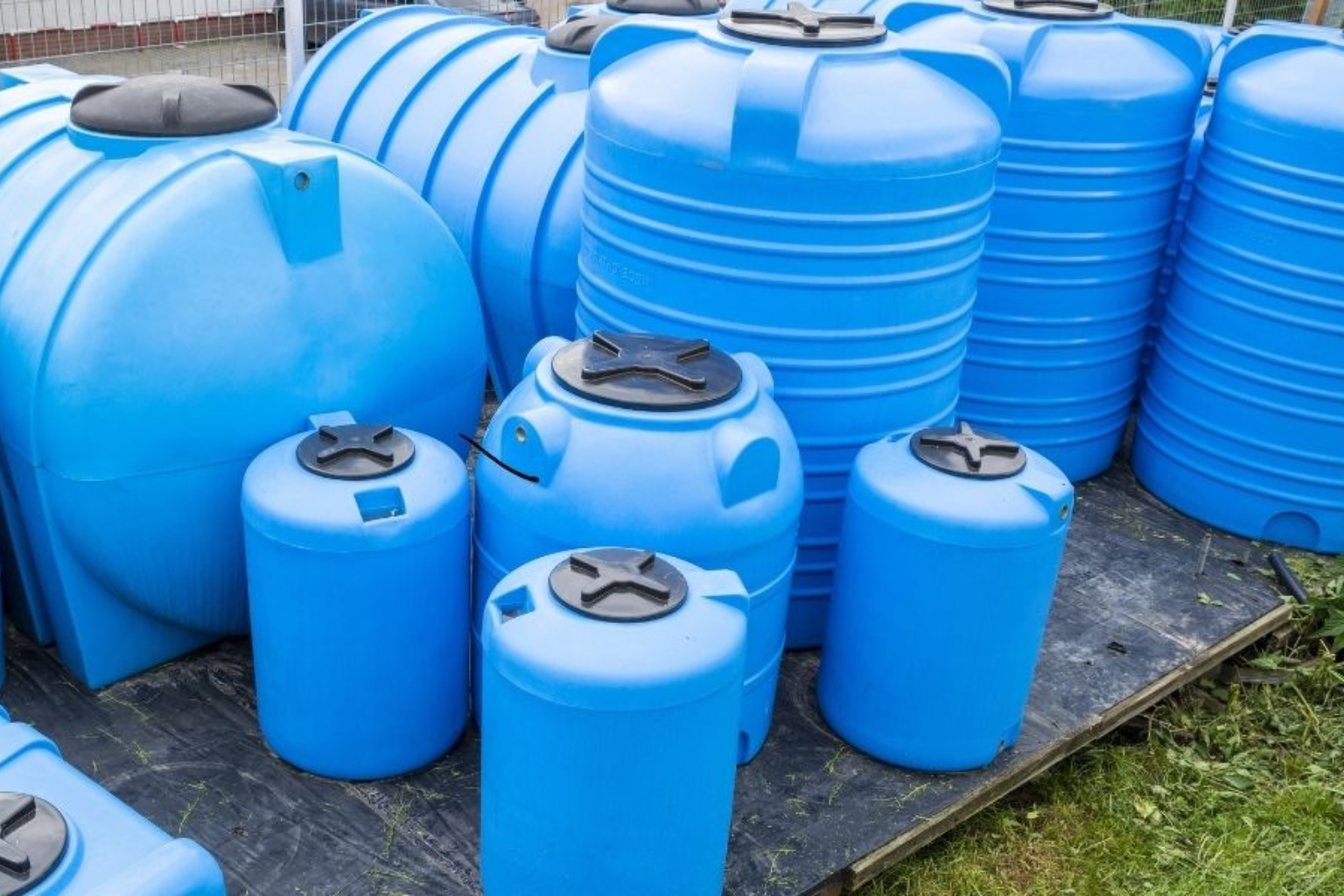
    Think of it as your portable water source, minus the plumbing. Water dispensing tanks are large-capacity containers designed to store and deliver fresh water where traditional systems just don’t cut it. They come in all shapes and sizes—mounted, upright, towable, even collapsible—and are often fitted with taps, hoses, or pump systems for easy access.

    You’ve probably seen them more than you realize. At carnivals. At food truck parks. On the edge of a dusty construction site. Behind temporary housing in disaster relief zones. Anywhere clean water is needed, these tanks show up and quietly get the job done.


    Why They’re a Game Changer for New Jersey

    New Jersey’s a diverse state. Urban sprawl, remote farmland, bustling festivals, wooded campsites—it’s got it all. And not every location comes with a built-in water supply. For those off-the-grid, short-term, or high-traffic scenarios, hauling in water manually or relying on outdated solutions can be a logistical nightmare.

    That’s why Water Dispensing Tanks New Jersey aren’t just convenient—they’re strategic.

    Let’s say you’re organizing a weekend event in the Pine Barrens. Your porta-potties and handwashing stations need water. Your food vendors need water. Guests need hydration. Now imagine trying to meet all those needs without a proper tank setup. Total chaos, right?

    Or picture a construction site in Newark. It’s hot, there’s dust everywhere, and your crew needs regular access to water—for drinking, cleaning tools, or suppressing airborne particles. A dispensing tank solves all of that with minimal hassle.


    Features That Make a Difference

    These tanks are smarter than you might think. Most modern models are:

    • Durable: Made from high-density polyethylene or food-grade plastic that’s UV-resistant and built to withstand tough conditions.
    • Portable: Mounted on trailers or skids, designed to be moved from place to place without heavy machinery.
    • Customizable: Need temperature control? Extra spigots? Pressure pumps? You got it.
    • Safe: Lined to prevent contamination, with easy-to-clean valves and components.

    Some tanks even come with built-in monitoring systems that track water levels remotely. Which, for a busy site manager or event coordinator, can be a serious game-changer.


    A Fit for Just About Everyone

    Water dispensing tanks aren’t just for professionals. Homeowners in New Jersey are getting in on the action too—especially those with wells, seasonal properties, or gardens that demand serious irrigation.

    Hosting a big backyard wedding? You might need more water than your system can handle. Have a greenhouse project? Consistent watering is a must. And during emergencies—like storm-induced water outages—having a dispensing tank on hand can make a stressful situation a whole lot easier to manage.

    Let’s not forget about schools, farms, mobile clinics, and even fire suppression systems. If there’s one thing all these places have in common, it’s the need for flexible, on-demand water access.


    Renting vs. Owning: What’s the Right Move?

    If you only need a tank for a short period—a weekend event, a temporary job site, or a seasonal use—renting probably makes the most sense. You won’t have to worry about maintenance, storage, or cleaning.

    But if you’re running long-term operations or frequently find yourself scrambling for water solutions, owning your own tank might actually save you money in the long run. Just be sure to factor in maintenance and cleaning. A poorly cared-for tank can become a liability real fast.


    Making the Right Choice

    When choosing a tank, don’t just go by size or price. Think about:

    • How often will you use it?
    • What kind of water will it store (potable vs. non-potable)?
    • Will it need to be moved frequently?
    • What kind of terrain or access challenges exist on your site?

    Also, work with a local supplier if you can. Not only will they know the regulations and climate conditions specific to New Jersey, but they’ll also be able to deliver fast, offer hands-on support, and help with emergency service if something goes sideways.


    Final Thoughts: A Little Preparation Goes a Long Way

    Clean, accessible water shouldn’t be something we have to worry about—not during a big event, not on a job site, and definitely not during an emergency. And yet, it’s often the first thing that falls through the cracks in planning.

    Water Dispensing Tanks NJ, Water Dispensing Tanks New Jersey—call them what you want, but they’re one of the most practical investments you can make for convenience, safety, and peace of mind.

    So the next time you’re making a plan—whether it’s a construction project, community festival, or simply preparing your home for the unexpected—don’t overlook the water. Because when you have the right system in place, you don’t just stay hydrated. You stay ahead.

  • Better Water, Better Business: Why Smart Companies Invest in Quality Treatment Systems

    Better Water, Better Business: Why Smart Companies Invest in Quality Treatment Systems

    Let’s be real—when you’re running a business, you’ve already got a million things on your plate. Between managing teams, handling operations, and keeping customers happy, the last thing on your mind is probably your building’s water. It flows, it’s clear, and no one’s complaining… right?

    But here’s the catch: if you haven’t taken a close look at your water supply—what’s in it, how it’s affecting your equipment, or how it reflects on your brand—you might be missing a big opportunity (or worse, ignoring a costly problem). Whether you’re operating a hotel, a brewery, a dental office, or a manufacturing plant, your water plays a more important role than you think.

    That’s where water treatment systems for businesses come in. This isn’t just about filtration or softening—it’s about protecting your investments, ensuring consistent product quality, and, yes, saving money in the long run.


    Why Water Quality Matters in Commercial Settings

    Take a second and think about how your business uses water. For some, it’s critical—used in production, cooking, or cleaning. For others, it’s a utility you don’t interact with much. But either way, poor water quality can sneak in and create problems.

    Hard water, for example, is notorious for leaving mineral buildup in pipes and scaling up on heating elements. That’s more energy use. More maintenance. More equipment wear. Not to mention it can tarnish your brand’s image—literally—if customers are dealing with spotted glassware or dry, chalky-feeling towels in a hospitality setting.

    Then there’s chlorine and chloramines, often present in city water. Fine for disinfection, but not ideal for drinking water taste, skin exposure, or use in sensitive processes (think coffee brewing or medical sanitation).

    Bottom line? If water touches any part of your business, it needs to be clean, consistent, and reliable.


    The Business Case for Commercial Water Softening

    Let’s zero in on hard water for a moment. It’s incredibly common—and incredibly damaging if left untreated.

    Commercial water softeners are designed to remove calcium and magnesium ions from the water supply using ion exchange. What does that mean for your business?

    • Better efficiency from dishwashers, laundry machines, water heaters, and boilers.
    • Fewer maintenance calls and longer-lasting plumbing and fixtures.
    • Cleaner output—whether that’s spotless windows or perfectly brewed espresso.
    • Lower chemical usage—soft water means soap and detergent actually work.
    • Energy savings—scale buildup in equipment reduces thermal efficiency, so fixing that means lower bills.

    If your business is anything from a hotel to a hospital, this is the kind of upgrade that pays for itself fast.


    Not All Water Needs Are Created Equal

    A restaurant’s water goals aren’t the same as a car wash’s. A greenhouse’s priorities differ from a salon’s. That’s why one-size-fits-all solutions don’t cut it when it comes to commercial systems.

    Enter commercial water purification systems.

    These setups can be customized to your operation’s exact needs—whether that means reverse osmosis for ultra-pure water in a lab, UV treatment for pathogen control in a fitness center, or multi-stage filtration for better taste and odor in a coffee shop.

    Common systems include:

    • Reverse Osmosis (RO) – Great for removing total dissolved solids, chlorine, and heavy metals. Perfect for applications where taste and purity matter.
    • Ultraviolet (UV) Disinfection – Kills bacteria and viruses without chemicals.
    • Carbon Filtration – Absorbs chlorine, VOCs, and bad smells/tastes.
    • Deionization (DI) – Often used in labs, manufacturing, and medical industries for ultra-pure water.

    The key is to match the solution to the goal. Want crisp water for beverage production? That’s different from needing bacteria-free water for sterilization. A good water treatment consultant won’t sell you a system—they’ll build one around your use case.


    Choosing the Right System (and Partner)

    If you’re starting from scratch, the process might seem overwhelming. But it doesn’t have to be.

    Here’s how to simplify it:

    1. Start with a water test – Know what you’re working with. Is your source municipal or well? What contaminants are present?
    2. Define your priorities – Are you solving for taste? Equipment longevity? Health safety?
    3. Think long-term – Consider not just the upfront cost but the ROI over time: energy savings, fewer repairs, better customer satisfaction.
    4. Work with pros – Choose a provider that offers maintenance, warranties, and a clear explanation of how the system works.

    And don’t be afraid to ask questions. You’re not buying a vending machine—you’re investing in a critical infrastructure system.


    Real Results, Real Payoff

    Here’s where things get interesting: businesses that invest in proper water treatment usually see the difference within months.

    • A local bakery swapped their old softener for a new commercial-grade system and saw equipment cleaning time cut in half.
    • A hotel chain installed multi-stage filtration and UV treatment—guests noticed better showers and started leaving higher reviews.
    • A car wash owner reduced maintenance costs by 40% just by eliminating hard water scaling on jets and pumps.

    These aren’t marketing stats—they’re real stories from businesses that stopped overlooking their water supply.


    Final Thoughts: Better Water Is Smart Business

    Water isn’t just a background utility—it’s a front-line factor in how your business operates. Whether it’s the scale on your fixtures, the taste of your food, or the efficiency of your boilers, water matters more than you think.

    Upgrading to water treatment systems for businesses, commercial water softeners, commercial water purification doesn’t just solve a problem—it sets your business up for cleaner results, smoother operations, and happier customers.

  • Softening the Waters of St. George: Should You Choose Salt or Potassium?

    Softening the Waters of St. George: Should You Choose Salt or Potassium?

    If you’ve lived in St. George, Utah for more than, say, two weeks, chances are you’ve noticed something strange going on with your water. Spotty glasses fresh out of the dishwasher. That telltale chalky buildup around your faucets. Maybe your skin feels like it’s lost a bit of its glow. Welcome to the world of hard water.

    Fortunately, water softeners are as common here as red rocks and sunshine. They’re not just nice to have—they’re practically essential. But once you’ve installed a softener, a not-so-small question arises: What should you be putting in it?

    That’s where the great potassium chloride vs salt for water softener debate kicks in. It’s not just about taste or cost. It’s about health, environmental impact, efficiency, and yes, even a little local context. Let’s dig into the details—and help you make a choice that actually fits your home and your lifestyle.


    First, Why We Soften Water in the First Place

    Hard water isn’t dangerous, but it is a pain. It’s full of calcium and magnesium minerals that don’t play nice with pipes, appliances, or your skin. That’s where water softeners come in—they pull out those minerals and replace them with something else, usually either sodium or potassium ions.

    This process helps reduce scaling, improve soap performance, protect your plumbing, and make your skin and hair feel smoother. But depending on which softening agent you choose, the experience—and consequences—can feel a little different.


    The Salt Standard: Sodium Chloride

    Sodium chloride (you know, salt) is the original water softening solution. It’s been the go-to option for decades, mostly because it works well and doesn’t cost a fortune. Most hardware stores in Utah stock it in 40-lb bags, and your water softener likely came tuned to work with it right out of the box.

    Why go with salt?

    • It’s efficient. Sodium is highly effective at replacing hardness minerals.
    • It’s affordable. Compared to potassium, it’s significantly cheaper.
    • It’s widely available. You’ll find it everywhere from Costco to corner stores.

    That said, there are a few drawbacks. Softened water using sodium chloride contains trace amounts of sodium—not a big deal for most people, but worth noting if you’re on a low-sodium diet. Also, salt discharge from softeners isn’t ideal for the environment, especially if your system flushes into soil or septic.


    The Cleaner, Greener Option: Potassium Chloride

    Then there’s potassium chloride—the softer softener, so to speak. Chemically, it works much like salt. The key difference? No added sodium. That makes it a more appealing option for people with dietary restrictions, or folks simply trying to be a little more conscious of what goes into their bodies and the earth.

    Benefits of potassium chloride:

    • No sodium. Better for drinking, better for health.
    • Plant-friendly. Potassium is a fertilizer, so it won’t hurt your garden if you irrigate with softened water.
    • Eco-conscious appeal. If you’re trying to make your household more sustainable, this is a solid choice.

    Here’s the catch—it costs a lot more. Often three to four times the price of sodium chloride. And it’s slightly less efficient, meaning your system might regenerate more often (which means more water and energy use). For many, the extra cost is worth it. For others, not so much.


    So… What Makes Sense in St. George?

    Let’s talk local. Water softener St George Utah users face a specific challenge: some of the hardest water in the state. Southern Utah’s geological makeup means mineral-rich water is just part of life here.

    That’s why water softeners are so common in homes and businesses—and why most people default to sodium chloride. It’s cost-effective, available in bulk, and gets the job done. But with growing awareness of environmental impact and health, potassium chloride has been catching on, especially among eco-conscious homeowners and those with gardens or dietary concerns.

    Some St. George residents take a hybrid approach: using sodium chloride during most of the year, then switching to potassium during spring and summer to protect landscaping. It’s not a perfect system, but it’s a clever one.


    Quick Tips for Making the Switch (or the Choice)

    • Don’t mix them. If you’re switching from salt to potassium or vice versa, empty and clean your brine tank first to avoid clumping and reduced performance.
    • Check your softener’s specs. Most units can handle both types, but it never hurts to read the manual or check with the manufacturer.
    • Stay on top of maintenance. Whatever you use, monitor your system monthly. Top off the tank, check salt bridges, and schedule occasional cleanings.

    Final Thoughts: It’s Not Just a Bag of Pellets

    Sure, deciding between salt and potassium might not seem earth-shattering. But it’s one of those choices that ripples through your daily routine—literally. From your morning coffee to your evening shower, softened water touches everything.

    So whether you prioritize budget, health, or environmental impact, choosing the right softening agent makes a real difference. And in a place like St. George, where water is hard but the standards are high, making the right call matters more than you think.