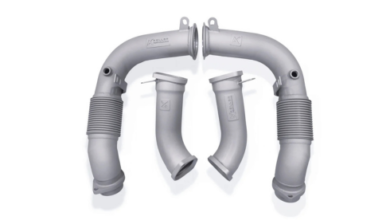
A Practical Guide to BMW Downpipes for M5 G90/G99 and M3 G80
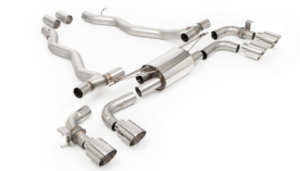
If you’ve ever driven a modern BMW M car, you already know how thrilling the experience can be. But for enthusiasts, “stock” is just the starting point. Whether it’s sharper throttle response, a deeper exhaust note, or simply pushing performance limits a little further, upgrading key components can make a noticeable difference. One of the most talked-about modifications today is installing high-performance downpipes—especially for models like the latest M5 and M3.
In this guide, we’ll break down what downpipes do, why they matter, and how upgrades like bmw m5 g90 g99 secondary downpipes and bmw m3 g80 downpipes can transform your driving experience.
What Are Downpipes and Why Do They Matter?
Downpipes are a critical part of your car’s exhaust system. They connect the turbocharger to the rest of the exhaust, guiding exhaust gases away from the engine. In turbocharged engines—like those in BMW’s M lineup—this component plays a major role in performance.
Factory-installed downpipes often include restrictive catalytic converters to meet emissions standards. While this is great for compliance, it can limit airflow. Performance downpipes are designed to reduce this restriction, allowing gases to flow more freely. The result? Improved horsepower, faster turbo spool, and a more aggressive exhaust sound.
Performance Gains You Can Expect
Upgrading downpipes is one of the most effective bolt-on modifications for turbocharged engines. When done correctly, it can unlock noticeable gains without requiring extensive engine changes.
For instance, replacing stock components with bmw m5 g90 g99 secondary downpipes can enhance exhaust flow significantly. Drivers often report quicker acceleration and smoother power delivery across the RPM range. It’s not just about numbers on paper—it’s something you actually feel when you hit the throttle.
Similarly, installing bmw m3 g80 downpipes can bring a more responsive driving experience. The turbochargers work more efficiently, reducing lag and improving overall engine dynamics. Combine that with a proper ECU tune, and the performance gains become even more impressive.
Sound Enhancement: More Than Just Noise
Let’s be honest—sound matters. BMW M cars are known for their signature exhaust notes, but aftermarket downpipes take things to another level.
Upgraded downpipes deepen the tone of your exhaust, giving it a more aggressive and sporty character. You’ll notice sharper crackles on downshifts and a fuller sound during acceleration. It’s not just louder—it’s richer and more refined, especially when paired with a quality exhaust system.
However, it’s important to strike a balance. Some setups can become too loud for daily driving, so choosing the right type of downpipe—catted or catless—makes a difference.
Installation and Compatibility Considerations
Before jumping into a downpipe upgrade, there are a few practical things to keep in mind.
First, ensure compatibility with your specific model. The M5 G90/G99 and M3 G80 have different engine layouts, so parts are not interchangeable. Always choose components designed specifically for your vehicle.
Second, installation can be complex. While some experienced enthusiasts may handle it themselves, professional installation is recommended. Proper fitting ensures optimal performance and avoids potential issues like leaks or warning lights.
Lastly, consider tuning. While not always mandatory, an ECU tune can maximize the benefits of your new downpipes. It helps the engine adapt to increased airflow and prevents error codes.
Legal and Environmental Aspects
It’s worth noting that some aftermarket downpipes may not comply with local emissions regulations. Catless downpipes, in particular, can trigger check engine lights and may not pass inspections in certain regions.
If you use your car as a daily driver, opting for high-flow catted downpipes can be a safer choice. They offer a good balance between performance and compliance, ensuring you enjoy upgrades without unnecessary hassle.
Final Thoughts
Upgrading downpipes is one of those modifications that delivers real, tangible results. It’s not just about squeezing out extra horsepower—it’s about enhancing the entire driving experience. From sharper throttle response to a more engaging exhaust note, the benefits are hard to ignore.