Unleashing Power and Performance: BMW M5 G90/G99 & M3 G80 Downpipes
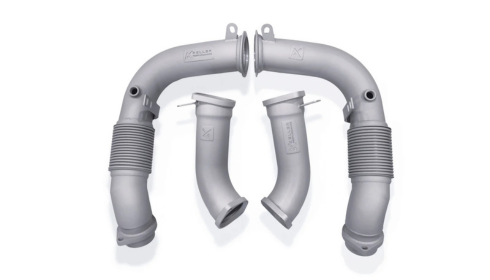
BMW’s high-performance M series has always stood at the pinnacle of automotive engineering. With each generation, the M5 and M3 continue to redefine what’s possible on the road and track. If you’re a performance enthusiast aiming to unlock more horsepower, torque, and a more aggressive exhaust note, upgrading your downpipes is one of the smartest and most popular modifications you can make. In this article, we’re focusing on two monsters of the road—the bmw m5 g90 g99 secondary downpipes and the BMW M3 G80 downpipes—and how these upgrades can transform your driving experience.
Why Downpipes Matter in Performance Tuning
Downpipes play a crucial role in a car’s exhaust system, especially in turbocharged engines. They’re responsible for channeling exhaust gases away from the turbocharger to the rest of the exhaust system. However, stock downpipes typically come with restrictive catalytic converters that are designed more for emissions control than performance.
By replacing the stock component with high-flow or catless aftermarket downpipes, you significantly reduce backpressure and improve turbo efficiency. This often leads to better throttle response, a noticeable bump in horsepower, and that intoxicating turbo spool and exhaust tone that car enthusiasts crave.
BMW M5 G90/G99 Secondary Downpipes: A New Era of Tunability
With the launch of the G90 (sedan) and G99 (Touring) M5 models, BMW continues its legacy of combining luxury with brute force. These models are expected to bring hybrid technology into the mix, which means even more complexity under the hood. But that doesn’t mean enthusiasts have to settle for stock.
Installing BMW M5 G90/G99 secondary downpipes helps reduce restrictions in the post-turbo exhaust flow. Because these are “secondary” downpipes, they’re easier to install and often don’t trigger check engine lights or emissions issues in certain regions. They’re the perfect entry-level performance mod—giving you a deeper, throatier exhaust note and a bump in power without completely overhauling your system.
BMW M3 G80 Downpipes: Sharpening an Already Sharp Blade
The G80 M3 was controversial at first due to its bold design, but it quickly silenced critics with its track-tested performance and cutting-edge tech. Its 3.0-liter twin-turbo inline-six engine (S58) is built for tuning. One of the first modifications most owners consider is upgrading the downpipes.
High-flow or catless bmw m3 g80 downpipes significantly enhance the flow of exhaust gases, allowing the turbos to spool faster and more efficiently. When paired with an ECU tune, gains of 60–80 horsepower are not uncommon. You’ll also enjoy a much more aggressive exhaust tone, especially on cold starts and under hard acceleration.
Sound, Power, and the Driving Experience
One of the most rewarding aspects of downpipe upgrades is the change in sound. Stock M cars are often muted due to strict European regulations and global noise restrictions. Downpipes bring back the rawness—crackles, pops, and that satisfying growl. This makes each gear shift and acceleration burst even more exhilarating.
Power-wise, these upgrades unlock potential that’s already built into your BMW’s engine. The S63 (in the M5) and the S58 (in the M3) are both incredibly capable platforms that respond well to breathing mods. Combined with a proper tune, downpipes can turn your car into a genuine supercar slayer.
Final Thoughts
If you’re ready to take your M car to the next level, investing in a quality downpipe upgrade should be at the top of your list. Whether it’s the aggressive, stealthy practicality of the M5 G90/G99 or the unapologetic precision of the M3 G80, these machines deserve to breathe freely.
Just be sure to check local emissions laws and regulations before upgrading, especially if you’re opting for catless versions. When done right, this single modification can completely elevate the personality of your car—visually unchanged, but unmistakably louder, faster, and more thrilling.