A business vehicle has a job to do long before it becomes an advertising tool. It carries equipment, delivers products, visits customers and moves employees from one location to another. But with the right graphics, that same vehicle can also spend every working day quietly promoting the company.
The difference between a wrap that looks impressive for a few months and one that continues looking professional over time often comes down to choices made before installation. Design matters, of course. So do installation skills. But materials deserve plenty of attention too.
A good-looking vehicle is nice. A durable, well-planned branded vehicle is much more useful.
Start With Materials That Fit the Job
Not every vinyl film is designed for the same purpose. Some materials are intended for short-term promotions, while others are engineered for demanding outdoor applications.
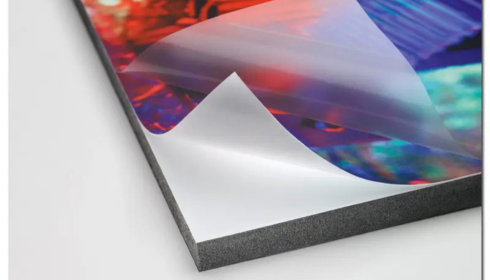
When businesses invest in highest quality films, they’re usually looking for more than attractive colors. They want dependable adhesion, consistent appearance and materials that can handle everyday exposure to sunlight, rain, dust and road grime.
That doesn’t mean the most expensive product is automatically the best choice. The right film depends on the vehicle, surface, expected lifespan, finish and environment.
A delivery van that spends ten hours a day outdoors has different needs from a promotional vehicle used for a weekend event. Understanding that difference can prevent unnecessary spending.
Why Premium Materials Can Make Sense
Vehicle graphics are exposed to a surprisingly rough environment.
Think about what a commercial van experiences in one ordinary week: hot pavement, sudden rain, automatic washing, road dust, parking-lot bumps and plenty of sunlight. The material needs to deal with all of it.
For businesses seeking a reliable option, premium 3m materials are often considered because established vinyl manufacturers offer products designed for specific vehicle applications and finishes.
Still, brand name alone isn’t enough. The installer needs to choose the correct product for the application and follow the manufacturer’s recommendations.
A premium film installed incorrectly won’t suddenly become a great wrap. Material quality and installation quality need to work together.
Design Should Be Built Around the Vehicle
One of the easiest mistakes is designing the artwork first and worrying about the vehicle afterward.
A van isn’t a flat rectangle. It has doors, handles, wheel arches, windows, seams and curves. These features can interrupt graphics and change how text appears.
Good design accounts for those realities from the beginning.
The company name should remain visible. Important contact information shouldn’t disappear around a door edge. Logos need enough breathing room to remain recognizable.
And don’t forget the rear. In traffic, other drivers may spend several minutes looking at the back of a company vehicle. That’s valuable space, especially when the message is simple and easy to remember.
Fleet Branding Needs Consistency
One branded vehicle can create awareness. A group of matching vehicles can create something much stronger.
Vehicle fleet graphics allow companies to build a recognizable presence across multiple cars, vans or trucks. When each vehicle shares the same colors, logo placement and general design language, the entire fleet starts to feel like one moving brand.
This can be especially effective for service companies, delivery businesses, contractors and logistics operations.
The vehicles don’t have to be identical. Different models may require different layouts. What matters is maintaining visual consistency.
Imagine seeing three different vans from the same company over the course of a week. Even if you don’t consciously think about it, your brain begins connecting those vehicles to one business.
That’s brand recognition doing its quiet work.
Keep the Message Simple
A vehicle is not a brochure.
People usually see it while walking, driving or waiting in traffic. They don’t have time to read a long list of services.
The most effective designs often include only the essentials:
- Business name
- Logo
- Main service
- Phone number or website
- A memorable visual element
If the company offers ten different services, it doesn’t necessarily need to list all ten.
A short, clear message can make a stronger impression than a wall of text. This is one area where restraint really pays off.
Installation Is Just as Important as Design
Even excellent vinyl can look poor when installation is rushed.
The vehicle needs to be thoroughly cleaned and prepared. Dust, wax, grease and other contaminants can interfere with adhesion. Curves and recessed areas require careful handling, and edges need to be finished properly.
Experienced installers also understand how to manage tension in the vinyl. Stretching material too aggressively can affect its appearance and performance.
Bubbles and wrinkles aren’t just cosmetic problems. They can become more noticeable over time and may affect durability.
A little patience during installation can save a lot of trouble later.
Think About Maintenance Before the Wrap Goes On
Maintenance shouldn’t be an afterthought.
Businesses should know how to clean the finished vehicle and which products to avoid. Abrasive brushes and harsh chemicals can be problematic for some films and finishes.
Regular washing is usually helpful because dirt and road grime can accumulate quickly on working vehicles.
It’s also smart to deal with contaminants such as bird droppings or tree sap sooner rather than later. Leaving them on the surface for extended periods can make cleaning harder.
The goal isn’t to treat the vehicle like a fragile piece of art. Just give the graphics sensible care.
Quality Is About Long-Term Value
Price is important, especially for small businesses. But focusing only on the initial cost can be misleading.
A cheaper material may need to be replaced sooner. Poor installation may lead to repairs. A complicated design could become difficult to update when the business changes its branding.
A well-planned project considers the entire life of the wrap.
Ask how long the material is expected to last, how it should be maintained and what happens if a panel becomes damaged. Knowing these things upfront makes the investment easier to manage.
A Moving Brand That Works Every Day
The best vehicle graphics don’t feel like an advertisement pasted onto a vehicle. They feel like part of the company.
The design is clear. The materials are appropriate. The installation is clean. The branding remains recognizable across the fleet.
And perhaps most importantly, the vehicle keeps working while the advertising works alongside it.
A van heading to a customer, a truck parked outside a job site or a delivery vehicle moving through town can create another brand impression without buying another advertising placement.
That’s the real strength of quality vehicle graphics. They turn everyday business activity into an opportunity to be seen—and when thoughtful design is paired with dependable materials and skilled installation, that opportunity can last for years.